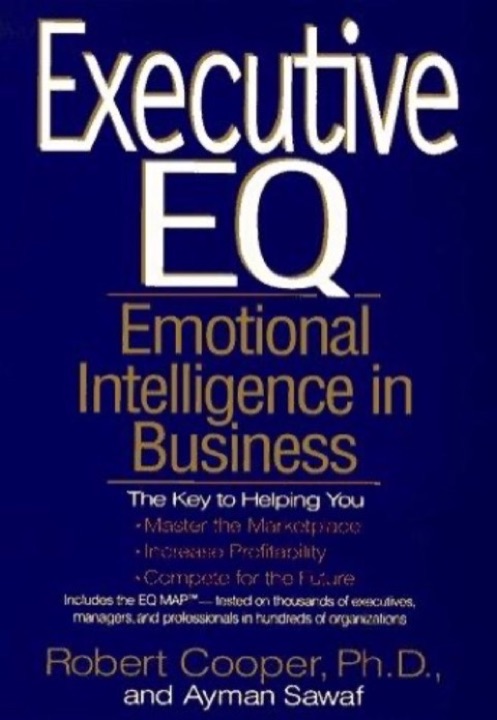
Executive EQ
Applying the lessons from "Executive EQ: Emotional Intelligence in Leadership and Organizations" by Robert Cooper and Ayman Sawaf to your life can enhance your personal and professional interactions, given your rich experiences and values. Here’s how you might integrate these lessons:
-
Enhance Self-Awareness: - Reflect on your emotions and how they influence your decisions and interactions. Given your daily routine of self-evaluation, you can incorporate a focus on emotional triggers and responses to better understand yourself.
-
Practice Self-Regulation: - Use your calm demeanor in stressful situations to further develop self-regulation. Continue to maintain composure and make thoughtful decisions, especially in high-pressure environments like the emergency department or while flying.
-
Cultivate Empathy: - Leverage your core values of kindness and empathy to deepen your understanding of others. Practice active listening and try to see situations from others' perspectives, which can enhance your relationships and leadership effectiveness.
-
Foster Motivation: - Align your personal and professional goals with your intrinsic motivations. Your aspiration to live in the moment and your passion for social issues can drive you to pursue meaningful projects and initiatives.
-
Develop Social Skills: - Use your direct and humorous communication style to build rapport and foster collaboration. Engage in open dialogues, encourage feedback, and create an inclusive environment in both personal and professional settings.
-
Shape Organizational Culture: - As someone involved in activism and advocacy, you can influence the culture around you by promoting emotional intelligence. Encourage empathy, open communication, and continuous learning within your circles.
-
Continuous Learning and Growth: - Embrace the mindset of being in a constant state of beta. Continue to seek opportunities for personal growth, whether through new experiences like skydiving or by deepening your understanding of emotional intelligence.
-
Address Challenges and Misconceptions: - Recognize that emotional intelligence is not about being overly emotional but about managing emotions effectively. Use this understanding to address any misconceptions and promote the value of EQ in your interactions.
By integrating these lessons into your life, you can enhance your leadership capabilities, improve your relationships, and continue to make a positive impact in your personal and professional endeavors.
What the book covers
"Executive EQ: Emotional Intelligence in Leadership and Organizations" by Robert Cooper and Ayman Sawaf is a seminal work that explores the critical role of emotional intelligence (EQ) in effective leadership and organizational success. The book delves into how leaders can harness emotional intelligence to improve decision-making, foster innovation, and enhance team performance.
Summary:
-
Introduction to Emotional Intelligence: - The book begins by defining emotional intelligence and its components, which include self-awareness, self-regulation, motivation, empathy, and social skills. Cooper and Sawaf argue that these skills are essential for effective leadership and can be more important than traditional measures of intelligence (IQ).
-
The Science of EQ: - The authors provide a scientific basis for emotional intelligence, discussing how emotions affect the brain and influence behavior. They explain the physiological and psychological aspects of emotions and how they impact leadership effectiveness.
-
EQ in Leadership: - Cooper and Sawaf emphasize that leaders with high EQ are better equipped to handle stress, communicate effectively, and inspire their teams. They provide examples of successful leaders who have leveraged emotional intelligence to achieve remarkable results.
-
Developing Emotional Intelligence: - The book offers practical strategies for developing emotional intelligence. These include techniques for improving self-awareness, managing emotions, and developing empathy. The authors stress the importance of continuous learning and self-improvement in enhancing EQ.
-
EQ and Organizational Culture: - The authors discuss how emotional intelligence can shape organizational culture. They argue that organizations with emotionally intelligent leaders tend to have more engaged employees, better collaboration, and higher levels of innovation.
-
Case Studies and Real-World Applications: - Throughout the book, Cooper and Sawaf provide case studies and real-world examples of organizations that have successfully integrated emotional intelligence into their leadership practices. These examples illustrate the tangible benefits of EQ in various industries.
-
Challenges and Misconceptions: - The authors address common challenges and misconceptions about emotional intelligence. They clarify that EQ is not about being overly emotional or soft but about understanding and managing emotions effectively.
Key Takeaways and Lessons:
-
Emotional Intelligence is Crucial for Leadership: EQ is a vital component of effective leadership, influencing decision-making, communication, and team dynamics.
-
Self-Awareness is the Foundation: Understanding one's emotions and their impact on others is the first step in developing emotional intelligence.
-
Empathy Enhances Relationships: Leaders who can empathize with their team members build stronger relationships and foster a more collaborative work environment.
-
Continuous Development is Essential: Emotional intelligence is not static; it requires ongoing effort and practice to develop and maintain.
-
EQ Drives Organizational Success: Organizations that prioritize emotional intelligence in their leadership and culture tend to outperform those that do not.
-
Practical Application is Key: The book provides actionable strategies for leaders to enhance their emotional intelligence and apply it in their daily interactions.
Overall, "Executive EQ" underscores the importance of emotional intelligence in leadership and provides a roadmap for leaders to cultivate these skills to drive personal and organizational success.