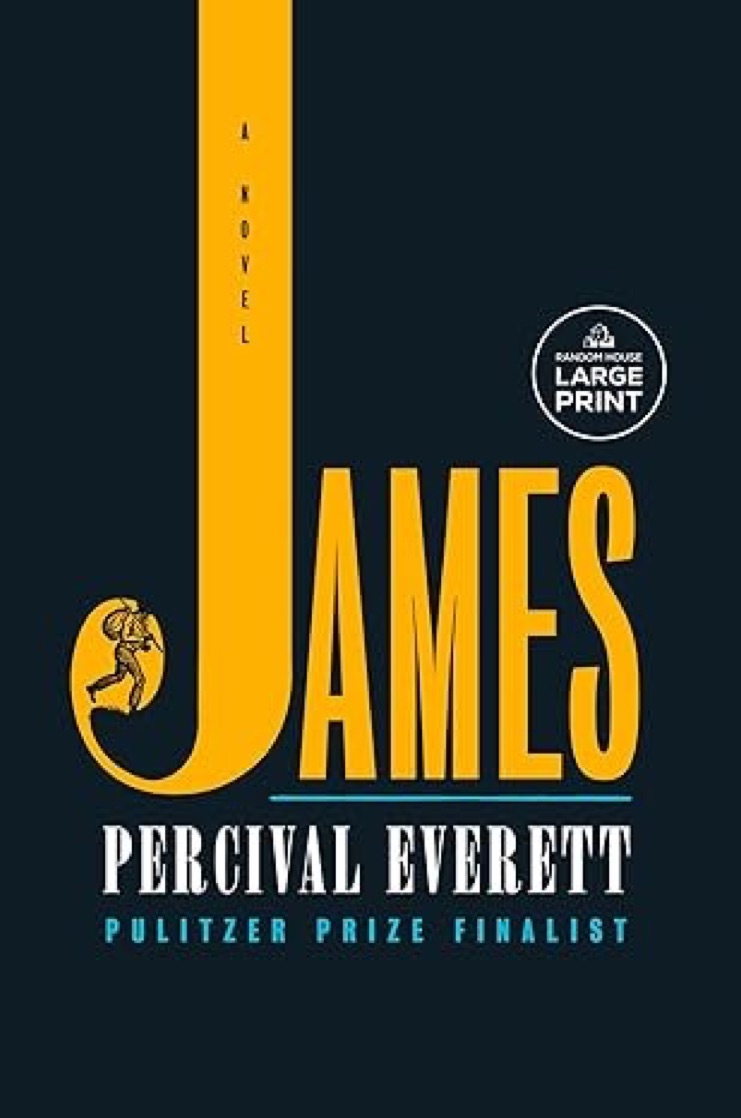
James
Applying the lessons from "James" by Percival Everett to your life can be a transformative exercise in understanding the power of narrative, the necessity of strategic adaptability, and the profound depth of the human spirit. Here are some ways you might integrate these lessons:
-
Master Situational Communication: - Just as James uses "code-switching" as a tool for survival, you should recognize the importance of tailoring your communication style to your environment. Whether you are in the emergency room, the boardroom, or the cockpit, the ability to speak the specific "language" of your audience—without losing your core identity—is a hallmark of sophisticated leadership.
-
Find Agency Within Constraints: - James operates within a system designed to strip him of all power, yet he finds leverage in the smallest opportunities. In your entrepreneurial ventures or legal practice, when faced with rigid bureaucracies or systemic hurdles, look for the "pencil and paper"—those small, unconventional tools that allow you to reclaim control and chart your own course.
-
Cultivate Hidden Depth and Intellectual Humility: - James’s survival depends on others underestimating him, illustrating the danger of making assumptions based on surface-level traits. As an investor and leader, remain humble to allow others to reveal their true potential, while staying hungry for the deeper truths that lie beneath the surface of the people and companies you encounter.
-
Navigate Volatility with Strategic Calm: - The Mississippi River serves as a metaphor for a volatile market or a medical crisis. James’s ability to maintain composure while facing existential threats is a masterclass in high-stakes management; he teaches you that clear thinking and emotional regulation are the only ways to navigate a chaotic and unpredictable environment.
-
Take Ownership of Your Narrative: - If you do not write your own story, others will inevitably write it for you, often incorrectly. Whether it is your professional legacy, the mission of Xcellerant Ventures, or your personal family history, take the initiative to document your values and truths to ensure your story remains authentically yours.
-
Empathy as a Competitive Advantage: - By viewing the world through the eyes of the marginalized, you gain insights that those in positions of comfort often miss. In healthcare and business, cultivating the ability to see the world from the perspective of the "outsider" reveals the most significant gaps in the market and the most urgent needs for innovation.
By integrating these lessons, you can develop a more nuanced approach to leadership that honors the complexity of the human experience while maintaining the strategic edge necessary for serial entrepreneurship and lifelong learning.
What the book covers
"James" by Percival Everett is a profound and subversive reimagining of Mark Twain’s "Adventures of Huckleberry Finn," narrated from the perspective of the enslaved man Jim. While it follows the familiar structural beats of the classic river journey, Everett transforms Jim—now James—into a highly literate, philosophically sophisticated, and strategically brilliant protagonist who must mask his intellect to survive. The novel serves as both a gripping adventure story and a devastating critique of the systemic dehumanization and linguistic violence inherent in American history.
Summary:
-
The Duality of Language: - James reveals that the stereotypical "slave dialect" used in the presence of white characters is a calculated performance designed to ensure survival. He teaches his children that mastery of this "white-space" language is a necessary shield, while his own internal monologue is articulate, complex, and deeply intellectual.
-
The Catalyst for Flight: - The narrative begins in Hannibal, Missouri, where James learns he is about to be sold to a master in New Orleans, which would permanently sever him from his wife and daughter. This existential threat forces him to hide on Jackson Island, where he eventually encounters Huckleberry Finn, who has faked his own death to escape his abusive father.
-
A Partnership of Necessity: - As they travel down the Mississippi River, the power dynamic is recontextualized; James is the true adult and strategist, navigating the lethal dangers of the river while managing Huck’s youthful impulsiveness. James must balance his genuine affection for the boy with the cold reality that Huck’s white privilege makes him both a potential savior and an unintentional threat.
-
Intellectual Resistance and Philosophy: - Throughout the journey, James engages in internal, imagined debates with Enlightenment philosophers like Voltaire and John Locke. These sequences highlight the absurdity of a society that claims to value reason and liberty while simultaneously upholding the institution of slavery, proving that James is more enlightened than his oppressors.
-
The Brutality of the Frontier: - Unlike the more picaresque tone of Twain's original, Everett’s version depicts the visceral and horrific violence of the era. James experiences a series of harrowing encounters, including being sold into a traveling minstrel show where he is forced to perform in blackface, a surreal and meta-commentary on the performance of identity.
-
The Quest for Literacy and Agency: - Central to James’s journey is his quest for a pencil and paper, items more precious to him than gold. By recording his own story, he transitions from a mere character in someone else's narrative to the master of his own history, reclaiming his name and his humanity through the act of writing.
"James" is a landmark work of contemporary literature that demands a reevaluation of the American canon. It strips away the romanticism of the frontier to expose the intellectual and physical resilience required to maintain one's soul in the face of totalizing oppression.