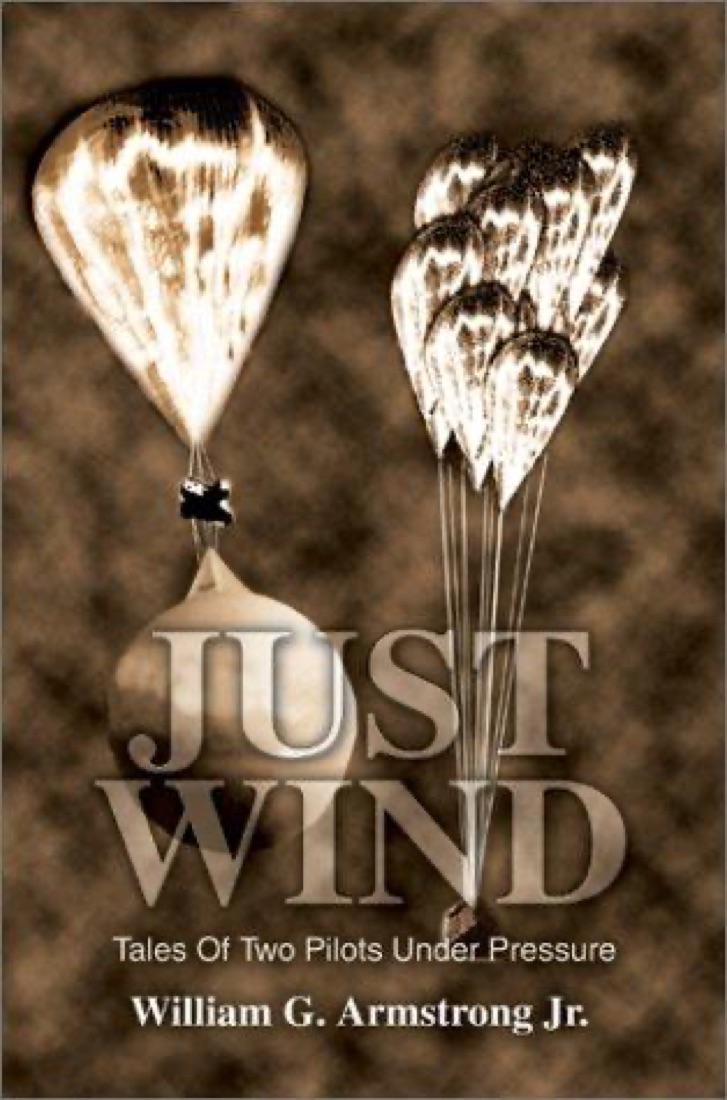
Just Wind: Tales of Two Pilots Under Pressure
Applying the lessons from "Just Wind: Tales of Two Pilots Under Pressure" by William G. Armstrong Jr. to your life can be a transformative exercise in developing resilience and operational excellence. Here are some ways you might integrate these lessons:
- Master the Art of Calmness Under Fire: - In both medicine and aviation, panic is your greatest enemy. You must practice the discipline of remaining analytical even when systems are failing or the clock is ticking against you. By internalizing the author’s focus on procedures during emergencies, you can learn to suppress the physiological fight-or-flight response in favor of calculated, professional action.
- Navigate the Conflict of Interest and Authority: - Just as the author had to stand his ground against demanding corporate clients, you will face situations where stakeholders pressure you to bypass protocols for speed or convenience. You must develop the "command authority" to prioritize long-term safety and ethics over short-term gratification. Recognize that your primary duty is to the mission's integrity, whether that mission is a flight, a surgical procedure, or a business deal.
- Bridge the Generational Knowledge Gap: - There is immense value in the "old school" wisdom of those who operated with fewer safety nets. You should actively seek out the stories and methodologies of veterans in your field to understand the fundamental principles that modern technology might obscure. Combining traditional intuition with modern tools creates a more robust and adaptable skill set.
- Understand the Psychology of Pressure: - Realize that "pressure" is often an internal construct exacerbated by external circumstances. You can learn to compartmentalize these stressors by categorizing them as manageable variables—much like the wind—that do not change the core physics of the task at hand. This mindset shift allows you to focus on what you can control rather than being paralyzed by what you cannot.
- Develop a Checklist Mindset: - The transition from the father’s era to the son’s highlights the life-saving importance of standardization. You should apply a "checklist" approach to complex tasks in your professional life to ensure that even under extreme stress, no critical step is missed. Consistency is the foundation of excellence in any high-stakes environment.
By integrating these lessons, you empower yourself to navigate the "storms" of your professional and personal life with the same grace and precision as an experienced aviator. The stories of the two Armstrongs remind us that while the tools of our trade may change, the necessity for integrity, preparation, and courage remains absolute.
What the book covers
"Just Wind: Tales of Two Pilots Under Pressure" by William G. Armstrong Jr. is a compelling dual-memoir that chronicles the aviation careers of the author and his father across two very different eras of flight. The narrative juxtaposes the high-stakes combat environment of World War II with the complex, regulated world of modern commercial and corporate aviation. Through a series of gripping anecdotes, Armstrong explores the psychological and technical demands placed on those who navigate the skies, emphasizing that while technology changes, the fundamental pressures of pilotage remain constant.
Summary:
- The P-38 Lightning and the Pacific Theater: - The book begins by detailing the experiences of William "Army" Armstrong, the author’s father, who flew the P-38 Lightning during World War II. It illustrates the visceral nature of combat in the South Pacific, where pilots faced not only the enemy but also extreme weather and mechanical failures. - Army’s stories emphasize the "seat-of-the-pants" flying required in the 1940s, highlighting how instinct and sheer nerves often determined survival when instrumentation was primitive and backup systems were almost non-existent.
- Transitioning to the Jet Age: - The author transitions the narrative to his own career, illustrating the evolution of aviation from prop-driven warbirds to sophisticated modern jets. He provides a firsthand account of the rigorous training and disciplined mindset required to transition from a student pilot to a professional captain. - This section explores the shift from individual heroics to crew resource management, showing how the "lone wolf" mentality of the war years evolved into a collaborative professional standard required for safe airline operations.
- High-Stakes Emergency Procedures: - A significant portion of the book is dedicated to specific incidents where "pressure" became a physical reality. Armstrong recounts harrowing moments of engine failure, electrical fires, and near-collisions that forced him to rely on his training. - He analyzes the mental processing required in these moments, showing how a pilot must filter out secondary noise and process information rapidly to prevent a crisis from turning into a catastrophe.
- The Corporate Aviation Landscape: - Armstrong delves into the unique pressures of corporate flying, where the demands of high-net-worth passengers often clash with safety protocols and weather limitations. He describes the delicate balance of command authority when a pilot must say "no" to a powerful executive for the sake of the aircraft’s safety. - These stories provide a window into the professional ethics of aviation, highlighting the integrity required to maintain safety standards in a service-oriented industry where the customer isn't always right about flight safety.
- Legacy and the Father-Son Bond: - The book serves as a tribute to the bond between father and son, connected by their shared passion for the air. It reflects on how the father’s wartime experiences shaped the son’s approach to risk and responsibility, creating a cross-generational dialogue about courage. - This emotional thread ties the various technical anecdotes together, making the book a study of character and heritage as much as a collection of flying stories.
- The Philosophy of the Title: - The title "Just Wind" reflects a central theme: the idea that many of the fears and external pressures pilots face are ultimately manageable variables. Armstrong argues that the ability to differentiate between actual danger and perceived pressure is what defines a master aviator.
"Just Wind" is a poignant look at the evolution of flight through the eyes of two men who lived it. It serves as an important historical record of WWII aviation and a contemporary guide to the professional mindset of a modern pilot. Ultimately, the book underscores the timeless importance of composure, technical proficiency, and the enduring human spirit in the face of adversity.