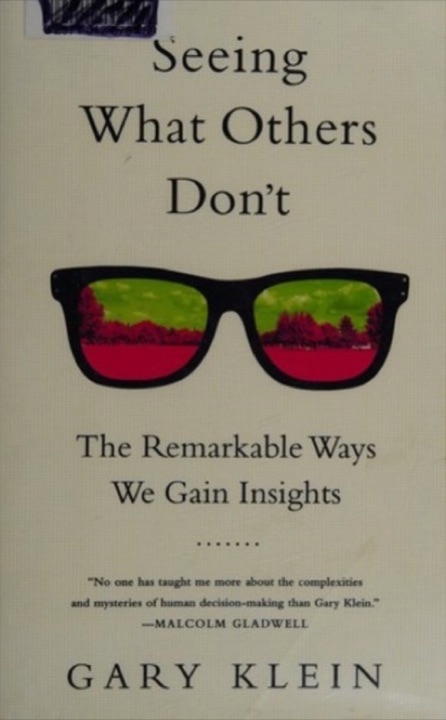
Seeing What Others Don't: The Remarkable Ways We Gain Insights
Applying the lessons from Gary Klein's "Seeing What Others Don't: The Remarkable Ways We Gain Insights" to your life can enhance your ability to gain insights and foster innovative thinking. Here’s how you might integrate these concepts into your personal and professional life:
-
Embrace Curiosity and Wonder: Given your diverse interests, such as flying, reading, and traveling, continue to explore these passions with a sense of curiosity. Allow yourself to follow intriguing questions or ideas, as they can lead to unexpected insights.
-
Challenge Assumptions: Regularly question your beliefs and assumptions, especially in areas where you feel strongly. This can open up new perspectives and lead to breakthroughs in understanding, much like your shift in political views after the election of Trump.
-
Create Space for Incubation: With your busy schedule, ensure you have moments of rest or distraction to allow your subconscious mind to work on problems. This could be during your morning workouts or while flying, where insights might naturally emerge.
-
Encourage Diverse Perspectives: Engage with people from different backgrounds and viewpoints. This aligns with your belief in equality and can help you recognize patterns and connections that might otherwise be missed.
-
Balance Data with Intuition: As a physician and someone who values analytical rigor, remember to also trust your intuition. Your experiences in emergency situations highlight the importance of balancing data with gut feelings to make quick, effective decisions.
-
Learn from Failures: Reflect on past failures and view them as learning opportunities. Your resilience and ability to grow from setbacks are strengths that can lead to valuable insights.
-
Foster an Environment for Insights: In your personal and professional life, create an environment that encourages open-mindedness and innovative thinking. This could involve fostering discussions that challenge the status quo or encouraging others to share their unique perspectives.
-
Practice Mindfulness and Presence: Since living in the moment is an aspiration of yours, practicing mindfulness can help you become more aware of your thoughts and surroundings, potentially leading to more frequent insights.
-
Reflect on Personal Growth: Regularly evaluate your personal growth and development, as you already do by assessing your daily wins and losses. This reflection can help you identify patterns and areas for further insight.
-
Stay Open to New Experiences: Whether it's trying skydiving or engaging in new advocacy work, staying open to new experiences can provide fresh perspectives and opportunities for insight.
By integrating these practices into your life, you can enhance your ability to gain insights and continue to grow both personally and professionally.
What the book covers
"Seeing What Others Don't: The Remarkable Ways We Gain Insights" by Gary Klein is a compelling exploration of the nature of insights and how they occur. Klein, a cognitive psychologist known for his work on decision-making, delves into the mechanisms that lead to those "aha" moments, where sudden clarity or understanding emerges.
Summary:
The Nature of Insights:
Klein begins by defining insights as unexpected shifts in the way we understand, perceive, or act. These moments often lead to breakthroughs in thinking and problem-solving. He emphasizes that insights are not just about acquiring new information but about reorganizing existing knowledge in novel ways.
The Sources of Insights:
Klein identifies several sources of insights, including:
- Connections: Recognizing patterns or links between seemingly unrelated pieces of information.
- Contradictions: Noticing discrepancies or anomalies that challenge existing beliefs or assumptions.
- Creative Desperation: Insights that arise from urgent need or pressure, prompting innovative thinking.
- Curiosities: Following a sense of wonder or intrigue that leads to new discoveries.
- Coincidences: Observing unexpected alignments or occurrences that prompt deeper investigation.
The Process of Gaining Insights:
The book outlines a process that often leads to insights, which includes:
- Preparation: Gathering information and immersing oneself in the problem space.
- Incubation: Allowing the subconscious mind to work on the problem, often leading to insights during periods of rest or distraction.
- Illumination: The moment of insight itself, where clarity suddenly emerges.
- Verification: Testing and validating the insight to ensure its accuracy and applicability.
Barriers to Insights:
Klein discusses various barriers that can prevent insights, such as:
- Mental Fixation: Being stuck in a particular way of thinking.
- Over-reliance on Data: Focusing too much on data and not enough on intuition or creativity.
- Fear of Failure: Avoiding risks that might lead to new insights.
Case Studies and Examples:
Throughout the book, Klein provides numerous examples and case studies from various fields, including business, science, and the arts, illustrating how insights have led to significant breakthroughs and innovations.
Key Takeaways and Lessons:
- Embrace Curiosity: Cultivating a sense of wonder and curiosity can lead to unexpected insights.
- Challenge Assumptions: Regularly questioning and testing assumptions can open the door to new ways of thinking.
- Create Space for Incubation: Allow time for ideas to percolate subconsciously, as insights often emerge during periods of rest or distraction.
- Encourage Diverse Perspectives: Engaging with different viewpoints can help in recognizing patterns and connections that might otherwise be missed.
- Balance Data with Intuition: While data is important, intuition and creative thinking are crucial for generating insights.
- Learn from Failures: Viewing failures as learning opportunities can foster an environment where insights are more likely to occur.
In conclusion, "Seeing What Others Don't" provides a comprehensive look at the mechanisms behind insights and offers practical advice for fostering an environment conducive to innovative thinking. Klein's work encourages readers to be open-minded, curious, and willing to challenge the status quo to unlock the potential for transformative insights.