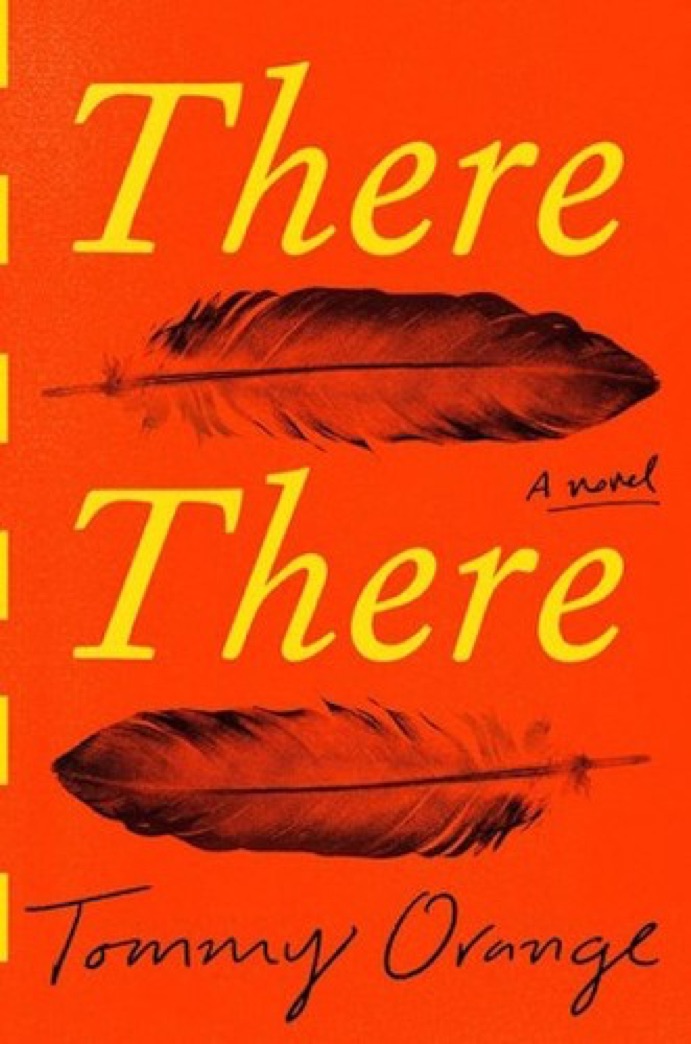
There There: A Novel
Applying the lessons from "There There: A Novel" by Tommy Orange to your life can be a transformative exercise in developing the radical empathy required to lead diverse teams and serve complex populations. Here are some ways you might integrate these lessons:
- Understanding Identity Beyond Stereotypes: - As a leader and physician, you must recognize that people carry hidden histories and identities that do not fit into neat, convenient boxes. In medicine and business, acknowledging the specific cultural contexts and urban realities of those you serve leads to more effective, compassionate, and culturally competent outcomes.
- The Power of Authentic Narrative: - Orange emphasizes that "telling stories is how we survive," a principle that is vital for any author or healthcare leader. Prioritizing the voices of those within a system, rather than imposing a top-down narrative, ensures that your ventures are rooted in reality and genuine human need.
- Recognizing Intergenerational Impact: - Just as a pilot understands how weather patterns from far away affect a flight path, you must understand how historical trauma impacts present performance and behavior. In leadership, this means leading with an acute awareness of the unseen burdens and systemic barriers your team members or patients may be navigating.
- Adaptability and Cultural Evolution: - The characters use modern tools like 3D printing and the internet to express or rediscover ancient traditions, showing that innovation and heritage can coexist. Success in healthcare and law requires evolving with modern tools while staying anchored to the core values of service, integrity, and personal growth.
- The Responsibility of Connection: - The characters' lives are inextricably linked, often through blood or shared tragedy, highlighting the duty we have to one another. As a VC and entrepreneur, you should focus on the interconnectedness of your business ecosystem, ensuring the growth of one company supports the health of the entire community.
- Confronting the "No There There": - The title refers to the loss of a recognizable home; for a lifelong learner, this is a call to confront the uncomfortable truths of institutional history. Integrity in law and medicine requires looking directly at where systems have failed people in the past rather than accepting a sanitized version of reality.
By integrating these lessons, you can foster a more inclusive and perceptive approach to both your professional and personal life. Emulating the grit and complex resilience of Orange’s characters allows you to lead with a "hungry and humble" heart, always seeking the truth beneath the surface of the systems you inhabit.
What the book covers
"There There: A Novel" by Tommy Orange is a powerful, multi-generational work of fiction that explores the complex lives of twelve characters from Native American communities living in Oakland, California. The narrative weaves together their individual struggles, histories, and aspirations as they all converge at the Big Oakland Powwow. Through a mosaic of voices, Orange examines themes of urban Indigeneity, intergenerational trauma, and the enduring quest for identity in a modern landscape. This debut novel serves as a visceral reclamation of the Native experience, stripping away stereotypes to reveal the gritty, beautiful reality of contemporary Indigenous life.
Summary:
- The Urban Indian Experience: - Orange challenges the stereotype of the "authentic" Native as someone living only on reservations or in nature, introducing the concept of the "Urban Indian" born and raised in the city. - He argues that being Indian is defined by a shared history of survival and the concrete reality of the city, rather than a romanticized connection to a lost wilderness.
- Dene Oxendene’s Storytelling Project: - Following his uncle’s death, Dene receives a grant to document the "stories of Indians living in Oakland" to provide a platform where people can speak for themselves. - His project highlights the necessity of capturing authentic, unedited voices to build a community narrative that is not filtered through an outside perspective.
- Intergenerational Trauma and Resilience: - Through characters like Opal Viola Victoria Bear Shield and Jacquie Red Feather, the novel explores the long shadow of the Alcatraz occupation and the cycle of addiction. - Their journey toward the powwow represents a collective effort to find sobriety and reconnect with a family structure fractured by decades of government-led displacement.
- Orvil Red Feather’s Quest for Heritage: - Orvil is a self-taught dancer who finds a sense of belonging in the very traditions his grandmother tried to protect him from out of a deep-seated fear of further cultural pain. - His secret practice of traditional dance symbolizes a younger generation's drive to reclaim their identity and cultural pride, even when the ancestral threads have been intentionally thinned.
- The Intersection of Modernity and Tradition: - Characters like Edwin Black, who struggles with a digital addiction, and Thomas Frank, a drummer dealing with his own demons, show the friction between modern life and ancestral expectations. - The Big Oakland Powwow serves as the site where these forces collide, demonstrating that culture is a living, breathing, and sometimes painful process of evolution.
- The Climax of Violence and Systemic Failure: - The narrative culminates in a heist involving 3D-printed guns, orchestrated by a group of desperate young men whose lives have been marred by neglect and poverty. - This tragic event at the Coliseum highlights how systemic failure and historical erasure can manifest in lateral violence, devastating the very community trying to celebrate its survival.
- The Complexity of Belonging: - Every character is searching for a sense of "home" in a place that has been physically and culturally terraformed over the course of centuries. - The novel suggests that true belonging is found in the shared recognition of each other's presence and stories, even amidst the chaos and the voids left by history.
"There There: A Novel" is a seminal work of contemporary literature that reclaims the Native American narrative within a modern landscape. It serves as both a visceral exploration of pain and a testament to the survival and evolution of Indigenous culture in the 21st century. By weaving the historical with the personal, Orange provides a roadmap for understanding how the past is never truly past, but a living part of our present identity.