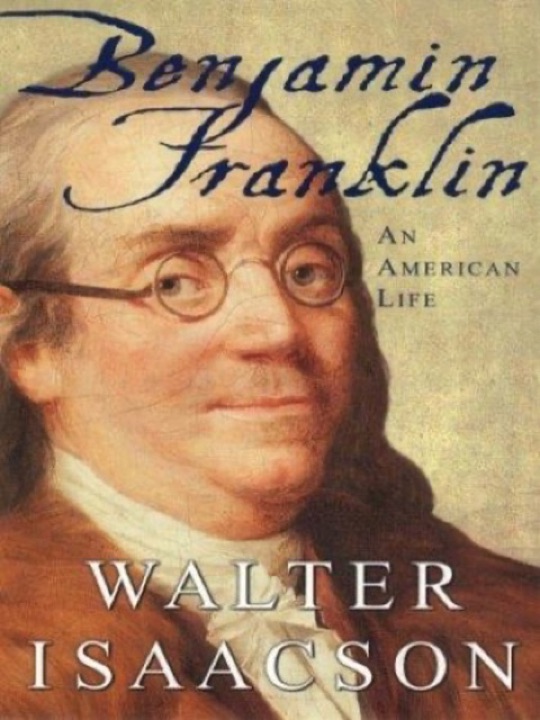
Benjamin Franklin: An American Life
Applying the lessons from "Benjamin Franklin: An American Life" by Walter Isaacson to your life can be both inspiring and practical, given your rich experiences and values. Here are some ways you might integrate Franklin's lessons:
-
Lifelong Learning: - Continue your pursuit of knowledge and self-improvement. Your diverse interests, from flying to reading and cooking, already reflect a commitment to learning. Consider exploring new subjects or skills that pique your curiosity, such as skydiving, which you've always wanted to try.
-
Innovation and Curiosity: - Embrace your inventive spirit by seeking out new challenges and opportunities for innovation. Your interest in leveraging technology for the betterment of mankind aligns with Franklin's legacy of questioning the status quo and finding creative solutions.
-
Civic Responsibility: - Your involvement in activism and advocacy work demonstrates a commitment to civic engagement. Continue to contribute to causes you are passionate about, such as equality and anti-human trafficking, and explore new ways to make a positive impact in your community.
-
Diplomacy and Compromise: - Franklin's diplomatic skills can inspire you to navigate conflicts with grace and find common ground. Your approach to decision-making, which involves seeking input and consensus, reflects this lesson. Continue to apply these skills in both personal and professional interactions.
-
Moral and Ethical Leadership: - Your strong ethical beliefs and commitment to kindness align with Franklin's advocacy for social reforms. Continue to stand up for justice and equality, and use your influence to inspire others to do the same.
-
Resilience and Persistence: - Your resilience and persistence are evident in your life story, from surviving plane crashes to overcoming personal challenges. Embrace these strengths as you pursue your goals and navigate life's uncertainties, much like Franklin did.
-
Living in the Moment: - Franklin's ability to balance his many pursuits with a focus on the present can inspire you to live more in the moment. Practice mindfulness and savor the experiences and relationships that bring you joy, such as spending time with your family and grandchild.
By integrating these lessons into your life, you can continue to grow and make meaningful contributions to the world around you, much like Benjamin Franklin did.
What the book covers
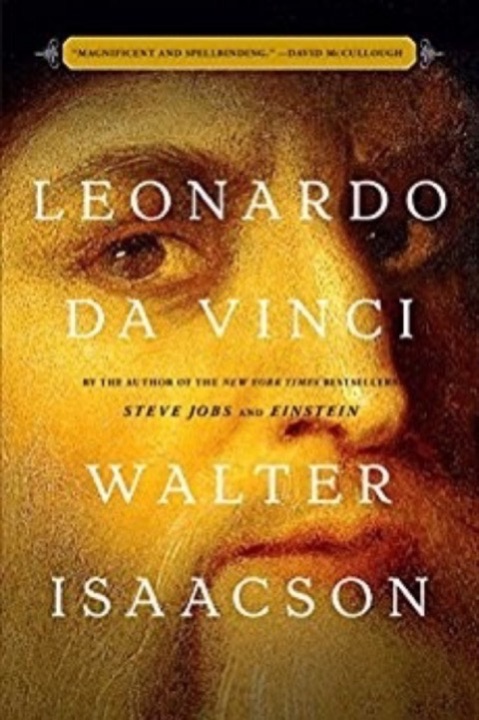
"Benjamin Franklin: An American Life" by Walter Isaacson is a comprehensive biography that delves into the life and legacy of one of America's most influential Founding Fathers, Benjamin Franklin. Isaacson paints a vivid portrait of Franklin, exploring his multifaceted personality, his numerous accomplishments, and his enduring impact on American society and beyond.
Summary:
Early Life and Career: The book begins with Franklin's early life in Boston, where he was born in 1706 as the fifteenth of seventeen children. Franklin's humble beginnings and limited formal education did not deter him from pursuing knowledge. He became an apprentice to his brother James, a printer, which sparked his lifelong passion for reading and writing.
Move to Philadelphia: At the age of 17, Franklin moved to Philadelphia, where he eventually established himself as a successful printer and publisher. He founded "The Pennsylvania Gazette" and wrote "Poor Richard's Almanack," which became widely popular for its witty aphorisms and practical wisdom.
Scientific and Inventive Pursuits: Franklin's curiosity and innovative spirit led him to make significant contributions to science and technology. He conducted groundbreaking experiments with electricity, famously capturing lightning with a kite, and invented the lightning rod, bifocal glasses, and the Franklin stove.
Public Service and Diplomacy: Franklin was deeply involved in public service, helping to establish institutions such as the University of Pennsylvania and the American Philosophical Society. He also played a crucial role in colonial and revolutionary politics, serving as a diplomat in England and France. His diplomatic efforts were instrumental in securing French support during the American Revolution.
Constitutional Contributions: As one of the Founding Fathers, Franklin was a key figure in the drafting of the United States Constitution. His ability to mediate and compromise helped bridge differences among the delegates, contributing to the formation of a strong federal government.
Later Years and Legacy: In his later years, Franklin continued to advocate for social reforms, including the abolition of slavery. He passed away in 1790, leaving behind a legacy of innovation, civic responsibility, and intellectual curiosity.
Key Takeaways and Lessons:
-
Lifelong Learning: Franklin's life exemplifies the value of lifelong learning and self-improvement. Despite limited formal education, his relentless pursuit of knowledge and skills enabled him to excel in various fields.
-
Innovation and Curiosity: Franklin's inventive spirit and curiosity drove him to explore new ideas and technologies. His work in electricity and other scientific endeavors highlights the importance of questioning the status quo and seeking innovative solutions.
-
Civic Responsibility: Franklin believed in the power of community and civic engagement. His contributions to public institutions and his role in shaping American democracy underscore the importance of active participation in society.
-
Diplomacy and Compromise: Franklin's diplomatic skills and ability to find common ground were crucial in both international negotiations and domestic politics. His example teaches the value of diplomacy, negotiation, and compromise in resolving conflicts.
-
Moral and Ethical Leadership: Franklin's advocacy for social reforms, including his later stance against slavery, reflects his commitment to moral and ethical leadership. His life encourages individuals to stand up for justice and equality.
Overall, Walter Isaacson's biography of Benjamin Franklin provides a detailed and engaging account of a remarkable life, offering valuable insights into the qualities that made Franklin an enduring figure in American history.