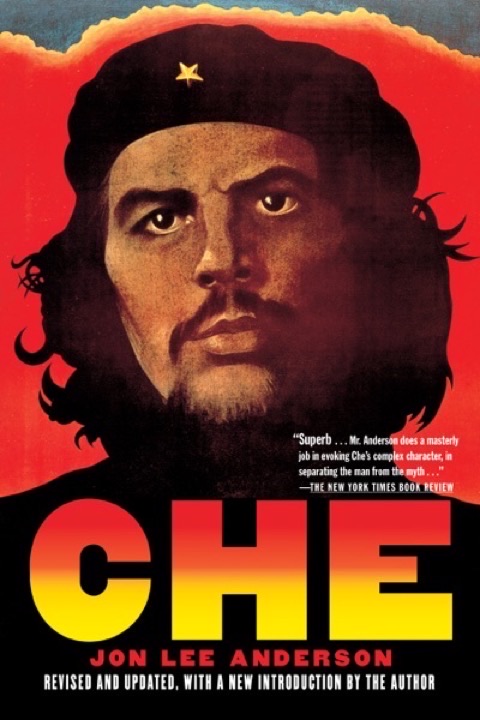
Che Guevara
Applying the lessons from "Che Guevara: A Revolutionary Life" by Jon Lee Anderson to your life involves reflecting on the themes of commitment, resilience, and the complexities of pursuing ideals. Here are some ways you might integrate these lessons:
-
Commitment to Ideals: - Che Guevara's unwavering dedication to his beliefs can inspire you to stay true to your core values, such as kindness and empathy. Continue to let these principles guide your actions and decisions, even when faced with challenges or opposition.
-
Resilience in the Face of Adversity: - Guevara's persistence in pursuing revolutionary change, despite numerous setbacks, mirrors your own resilience. Embrace this strength by continuing to persevere through life's difficulties, knowing that each experience contributes to your growth.
-
Global Awareness and Advocacy: - Guevara's international efforts highlight the importance of understanding and addressing global issues. Your involvement in activism and advocacy work aligns with this lesson. Consider expanding your efforts or exploring new ways to contribute to causes you are passionate about, such as equality and anti-human trafficking.
-
Balancing Ideals with Practicality: - Guevara's struggles with implementing his vision of socialism underscore the need for balancing ideals with practical considerations. In your life, strive to find a balance between your aspirations and the realities of your circumstances, whether in personal or professional contexts.
-
Ethical Reflection: - The ethical implications of Guevara's actions prompt reflection on the use of means to achieve ends. Continue to evaluate your actions and decisions through the lens of your ethical beliefs, ensuring that kindness and empathy remain at the forefront.
-
Embracing Complexity: - Guevara's complex legacy serves as a reminder that individuals and situations are rarely black and white. Embrace the complexities in your own life and in others, approaching each situation with an open mind and a willingness to understand different perspectives.
-
Living with Purpose: - Guevara's life was driven by a sense of purpose. Reflect on your own purpose and how you can live each day with intention, whether through your career, relationships, or personal pursuits.
By integrating these lessons into your life, you can continue to grow as an individual who is committed to making a positive impact on the world while staying true to your values and beliefs.
What the book covers
"Che Guevara: A Revolutionary Life" by Jon Lee Anderson is a comprehensive biography that delves into the life and legacy of Ernesto "Che" Guevara, one of the most iconic figures of the 20th century. The book is based on extensive research, including access to Guevara's personal archives, interviews with his family and comrades, and a wealth of historical documents. Here is a thorough summary of the book, along with key takeaways and lessons:
Summary:
-
Early Life and Influences: - Ernesto Guevara was born in 1928 in Rosario, Argentina, into a middle-class family. He was a voracious reader and was deeply influenced by Marxist literature and the socio-political environment of Latin America. - Guevara studied medicine at the University of Buenos Aires, but his travels across Latin America exposed him to widespread poverty and injustice, shaping his revolutionary ideology.
-
Journey to Revolution: - Guevara's travels, particularly his motorcycle journey across South America, were pivotal in his transformation from a medical student to a revolutionary. He witnessed the exploitation of indigenous peoples and the impact of U.S. imperialism, which fueled his desire for change. - In Guatemala, Guevara became involved with leftist movements and met key figures who would influence his revolutionary path.
-
Cuban Revolution: - Guevara met Fidel Castro in Mexico and joined the 26th of July Movement, which aimed to overthrow Cuban dictator Fulgencio Batista. - He played a crucial role in the Cuban Revolution, serving as a military leader and strategist. His leadership in battles like Santa Clara was instrumental in the success of the revolution.
-
Post-Revolution Cuba: - After the revolution, Guevara held several key positions in the Cuban government, including Minister of Industries and President of the National Bank. He was instrumental in shaping Cuba's socialist economy. - Despite his successes, Guevara faced challenges in implementing his vision of socialism, including economic difficulties and ideological conflicts within the government.
-
International Revolutionary Efforts: - Guevara's commitment to global revolution led him to leave Cuba and attempt to incite revolutions in other countries, including the Congo and Bolivia. - His efforts in the Congo were unsuccessful due to logistical challenges and lack of local support.
-
Final Campaign and Death: - Guevara's final revolutionary campaign took place in Bolivia, where he aimed to spark a continent-wide uprising. However, he faced numerous obstacles, including a lack of local support and betrayal. - In 1967, Guevara was captured by the Bolivian army, with the assistance of the CIA, and executed.
Key Takeaways and Lessons:
-
Complex Legacy: - Che Guevara remains a polarizing figure. He is celebrated as a symbol of resistance and anti-imperialism, yet criticized for his role in establishing authoritarian regimes and his willingness to use violence.
-
Ideological Commitment: - Guevara's life exemplifies unwavering commitment to his ideals. His dedication to Marxist principles and the fight against imperialism was evident in his actions and writings.
-
Impact of Global Politics: - The book highlights the influence of global politics on revolutionary movements. Guevara's efforts were often shaped by Cold War dynamics and U.S. foreign policy.
-
Challenges of Revolutionary Change: - Guevara's experiences underscore the difficulties of implementing revolutionary change, including economic management, ideological purity, and the need for popular support.
-
Humanitarian Concerns: - Despite his revolutionary zeal, Guevara's actions raise questions about the ethical implications of using violence for political ends.
In conclusion, Jon Lee Anderson's "Che Guevara: A Revolutionary Life" provides a nuanced portrait of a complex figure whose life continues to inspire and provoke debate. The book offers valuable insights into the nature of revolutionary movements and the enduring struggle for social justice.