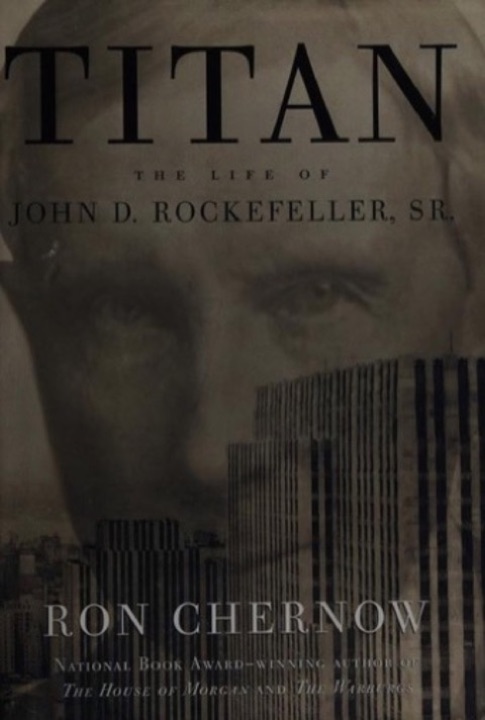
Titan: The Life of John D. Rockefeller, Sr.
Applying the lessons from "Titan: The Life of John D. Rockefeller, Sr." to your life can be a thoughtful exercise, especially considering your unique experiences and values. Here are some ways you might integrate these lessons:
-
Vision and Innovation: - Like Rockefeller, you can continue to leverage your ability to foresee potential in various aspects of your life, whether in your career, personal projects, or hobbies. Your interest in technology and forward-thinking mindset can drive innovation in your pursuits, much like Rockefeller's foresight in the oil industry.
-
Ethics and Business Practices: - Reflect on the ethical dilemmas Rockefeller faced and how they relate to your own experiences. Your strong ethical beliefs and commitment to kindness can guide you in making decisions that align with your values, ensuring that your actions positively impact others.
-
Philanthropy and Social Responsibility: - Rockefeller's philanthropic efforts highlight the importance of giving back. You can continue your advocacy work and involvement in social issues, using your resources and influence to support causes you are passionate about, such as equality and anti-human trafficking.
-
Resilience and Adaptability: - Your resilience is already a significant strength, as demonstrated by your ability to overcome challenges and learn from failures. Embrace adaptability in your personal and professional life, remaining open to change and new opportunities, much like Rockefeller did after the dissolution of Standard Oil.
-
Legacy and Impact: - Consider how you want to be remembered and the legacy you wish to leave behind. Your focus on living in the moment and being present aligns with creating a meaningful impact on those around you. Continue to prioritize your relationships and contributions to society.
By integrating these lessons into your life, you can enhance your personal growth and continue to make a positive impact on the world around you.
What the book covers
"Titan: The Life of John D. Rockefeller, Sr." by Ron Chernow is a comprehensive biography that delves into the life and legacy of one of America's most influential and controversial figures, John D. Rockefeller, Sr. The book provides an in-depth look at Rockefeller's rise from modest beginnings to becoming the world's first billionaire and the founder of the Standard Oil Company, which revolutionized the petroleum industry.
Summary:
Early Life and Background: - John D. Rockefeller was born in 1839 in Richford, New York, into a modest family. His father, William Avery Rockefeller, was a traveling salesman and a con artist, while his mother, Eliza, was a devout Baptist who instilled in him the values of hard work and thrift. - From a young age, Rockefeller showed a keen interest in business and finance, starting with small ventures like selling candy and doing odd jobs.
Rise of Standard Oil: - In 1863, Rockefeller entered the oil business by investing in a refinery in Cleveland, Ohio. He quickly recognized the potential of the oil industry and began to expand his operations. - By 1870, he founded the Standard Oil Company, which grew rapidly through strategic acquisitions and aggressive business practices, including horizontal integration and the use of rebates from railroads to undercut competitors. - Rockefeller's business acumen and relentless pursuit of efficiency allowed Standard Oil to dominate the oil industry, controlling about 90% of the U.S. refineries and pipelines at its peak.
Controversies and Antitrust Actions: - Rockefeller's business practices, often seen as ruthless and monopolistic, led to widespread criticism and legal challenges. The company was accused of engaging in unfair practices to eliminate competition. - In 1911, the U.S. Supreme Court found Standard Oil in violation of antitrust laws and ordered its dissolution into 34 smaller companies, which ironically increased Rockefeller's wealth as he held shares in all of them.
Philanthropy and Legacy: - Despite his controversial business methods, Rockefeller was also a pioneering philanthropist. He donated over half a billion dollars to various causes, including education, public health, and scientific research. - He established several major philanthropic institutions, such as the University of Chicago, Rockefeller University, and the Rockefeller Foundation, which have had a lasting impact on society.
Personal Life: - Rockefeller was a deeply religious man, and his faith played a significant role in his life and business practices. He was known for his disciplined lifestyle, abstaining from alcohol and tobacco, and maintaining a strict daily routine. - He was a family man, devoted to his wife, Laura Spelman Rockefeller, and their children, though his demanding work schedule often kept him away from home.
Key Takeaways and Lessons:
-
Vision and Innovation: - Rockefeller's ability to foresee the potential of the oil industry and his innovative business strategies were key to his success. His focus on efficiency and cost-cutting set new standards in industrial operations.
-
Ethics and Business Practices: - The book highlights the ethical dilemmas in business, as Rockefeller's methods, while effective, were often seen as unethical. It raises questions about the balance between ambition and morality.
-
Philanthropy and Social Responsibility: - Rockefeller's philanthropic efforts demonstrate the importance of giving back to society. His approach to philanthropy was systematic and aimed at addressing root causes rather than symptoms.
-
Resilience and Adaptability: - Despite facing significant legal and public challenges, Rockefeller's ability to adapt and reinvent himself ensured his continued influence and success.
-
Legacy and Impact: - Rockefeller's legacy is complex, marked by both his contributions to modern capitalism and the controversies surrounding his business practices. His life serves as a case study in the power and pitfalls of industrialization.
Overall, "Titan" provides a nuanced portrait of John D. Rockefeller, exploring the dualities of his character and the profound impact he had on American society and the global economy.