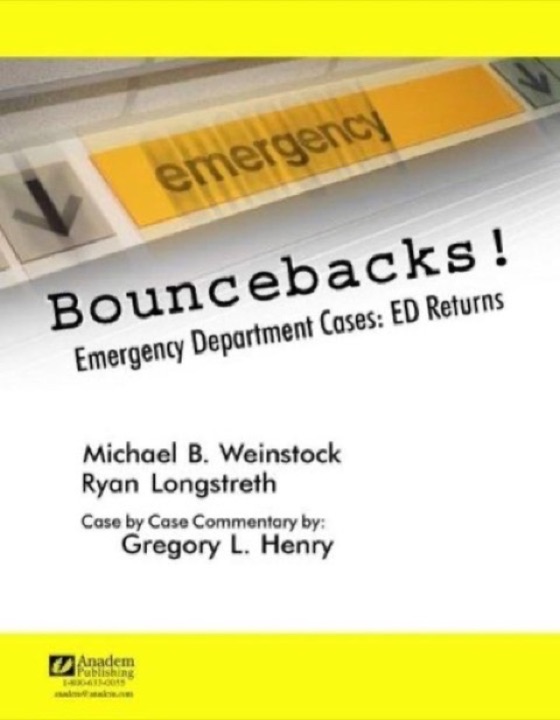
Bouncebacks
Applying the lessons from "Bouncebacks: Medical and Legal" by Michael B. Weinstock to your life involves integrating the book's insights into your personal and professional experiences. Here are some ways you might do this:
-
Thorough Assessment: In both your personal and professional life, ensure you take the time to thoroughly assess situations before making decisions. This could mean gathering all relevant information and considering different perspectives, especially in high-stakes situations like those you encounter in emergency medicine or aviation.
-
Awareness of Cognitive Biases: Reflect on your decision-making processes and be mindful of cognitive biases. Given your experience in emergency situations, continue to question initial assumptions and remain open to new information that might alter your understanding.
-
Effective Communication: Maintain clear and open communication with those around you, whether it's with patients, colleagues, family, or friends. Ensure that everyone involved understands the situation, expectations, and any necessary follow-up actions.
-
Documentation: Keep detailed records of important interactions and decisions, both in your professional life as a physician and in personal matters. This can help protect you legally and provide clarity in complex situations.
-
Continuous Learning: Embrace a mindset of lifelong learning, as you already do. Use each experience, whether a success or failure, as an opportunity to grow and improve. Reflect on past experiences to inform future actions.
-
Legal Preparedness: Stay informed about the legal aspects of your profession and personal life. Understand your responsibilities and potential liabilities, and take steps to protect yourself while acting ethically and compassionately.
-
Resilience and Reflection: Given your resilience and ability to learn from failures, continue to reflect on past experiences to build a stronger foundation for future challenges. Use your strengths of humor and empathy to navigate difficult situations.
-
Balance and Impulsivity: Work on finding balance in your life and managing impulsivity. This might involve setting aside time for reflection and ensuring that your actions align with your core values of kindness and empathy.
-
Living in the Moment: Strive to live in the moment, as you aspire to do. This can enhance your appreciation for life and help you make the most of each day, aligning with your philosophy of living as if you were dying every day.
-
Kindness and Empathy: Continue to let kindness and empathy guide your interactions with others. Remember that everyone is fighting their own battles, and your understanding and compassion can make a significant difference.
By integrating these lessons into your life, you can enhance your personal and professional experiences, improve your decision-making processes, and continue to grow as an individual.
What the book covers
"Bouncebacks: Medical and Legal" by Michael B. Weinstock is a unique book that delves into the intricacies of emergency medicine through the lens of real-life case studies. The book is structured around a series of patient cases that initially presented to the emergency department, were discharged, and then "bounced back" with more severe conditions. Each case is analyzed in detail, providing insights into the diagnostic process, the challenges faced by emergency physicians, and the potential legal implications of medical decision-making.
Summary:
-
Case Studies: The book is organized into chapters, each focusing on a different patient case. These cases cover a wide range of medical conditions and scenarios, illustrating the complexity and unpredictability of emergency medicine. The cases are presented with initial symptoms, diagnostic steps taken, treatment provided, and the eventual outcome after the patient returned with worsened conditions.
-
Diagnostic Challenges: A significant portion of the book is dedicated to exploring the diagnostic challenges faced by emergency physicians. It highlights how subtle symptoms can sometimes mask serious underlying conditions, leading to initial misdiagnosis or underestimation of the severity of the patient's condition.
-
Medical Decision-Making: Weinstock emphasizes the importance of thorough medical decision-making. He discusses how cognitive biases, time constraints, and resource limitations can impact the decisions made by healthcare providers in emergency settings.
-
Legal Implications: The book also addresses the legal aspects of emergency medicine. Each case study includes a discussion of potential legal ramifications, such as malpractice claims, and provides insights into how physicians can protect themselves legally while providing the best possible care.
-
Educational Value: "Bouncebacks" serves as an educational tool for medical professionals, particularly those in emergency medicine. It encourages critical thinking and reflection on clinical practice, aiming to improve patient outcomes by learning from past mistakes.
Key Takeaways and Lessons:
-
Thorough Assessment: Always conduct a comprehensive assessment of patients, even if their initial presentation seems benign. Small details can be crucial in identifying serious conditions.
-
Awareness of Cognitive Biases: Be aware of cognitive biases that can affect clinical judgment, such as anchoring bias or confirmation bias. Regularly question and reassess initial diagnoses.
-
Effective Communication: Clear communication with patients and their families is essential. Ensure they understand discharge instructions and the importance of follow-up care.
-
Documentation: Meticulous documentation of clinical findings, decision-making processes, and patient interactions is vital for both medical and legal reasons.
-
Continuous Learning: Use each case as a learning opportunity. Reflect on what could have been done differently and apply those lessons to future practice.
-
Legal Preparedness: Understand the legal responsibilities and potential liabilities in emergency medicine. Stay informed about best practices to minimize legal risks.
Overall, "Bouncebacks" is a valuable resource for medical professionals, offering practical insights into the complexities of emergency medicine and emphasizing the importance of continuous learning and improvement in clinical practice.