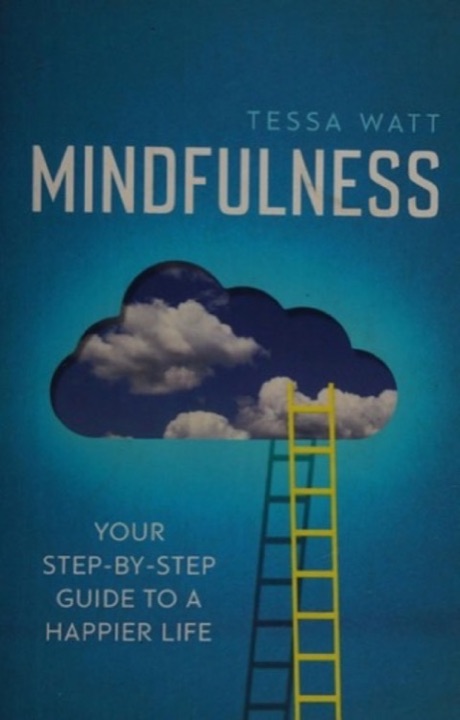
Mindfulness
Applying the lessons from "Mindfulness" by Mark Williams and Danny Penman to your life can enhance your well-being and help you live more fully in the present moment. Here are some ways you might integrate mindfulness into your life based on your personal experiences and values:
-
Present Moment Awareness: - Given your busy lifestyle and varied interests, practicing mindfulness can help you savor each moment, whether you're flying, cooking, or spending time with your grandchild. Try to focus on the sensory experiences of these activities, such as the feeling of the wind while flying or the aroma of a meal you're preparing.
-
Non-Judgmental Observation: - With your direct and humorous communication style, mindfulness can help you observe your thoughts and reactions without judgment. This can be particularly useful in high-stress situations, like in the emergency department, allowing you to maintain your composure and make calm decisions.
-
Stress Reduction: - Incorporate mindfulness practices, such as mindful breathing or meditation, into your daily routine to manage stress. This can complement your existing morning routine of exercise and cold plunges, providing a mental reset before starting your day.
-
Emotional Regulation: - Mindfulness can enhance your ability to regulate emotions, which aligns with your goal of being the calmest person in the room during stressful situations. Practice observing your emotions without reacting immediately, allowing you to respond thoughtfully.
-
Self-Compassion: - Given your strong values of kindness and empathy, mindfulness can help you extend that compassion towards yourself. Practice self-compassion exercises to acknowledge your achievements and forgive yourself for any perceived shortcomings.
-
Integration into Daily Life: - Mindfulness is not just about meditation; it's a way of living. Try to incorporate mindfulness into everyday activities, such as mindful eating or walking, to enhance your awareness and enjoyment of life's simple pleasures.
-
Sustained Practice: - Commit to a regular mindfulness practice to experience its cumulative benefits. This could be a daily meditation session or simply taking a few moments each day to pause and breathe mindfully.
-
Living in the Moment: - Since living in the moment is an aspiration of yours, mindfulness can help you achieve this by training your mind to focus on the present rather than dwelling on the past or worrying about the future.
By integrating these mindfulness practices into your life, you can enhance your resilience, deepen your connections with others, and continue to live with the optimism and kindness that define your personal philosophy.
What the book covers
"Mindfulness" by Mark Williams and Danny Penman is a practical guide that introduces readers to the concept and practice of mindfulness meditation. The book is designed to help individuals reduce stress, anxiety, and depression by cultivating a greater awareness of the present moment. Here is a thorough summary of the book, along with key takeaways and lessons:
Summary:
Introduction to Mindfulness: The authors begin by explaining what mindfulness is—a mental state achieved by focusing one's awareness on the present moment while calmly acknowledging and accepting one's feelings, thoughts, and bodily sensations. They emphasize that mindfulness is not about trying to change or suppress thoughts but about observing them without judgment.
The Science Behind Mindfulness: Williams and Penman delve into the scientific research supporting mindfulness, highlighting studies that demonstrate its effectiveness in improving mental health. They discuss how mindfulness can rewire the brain, enhance emotional regulation, and reduce symptoms of anxiety and depression.
The Eight-Week Program: The core of the book is an eight-week mindfulness program designed to be accessible to beginners. Each week introduces new practices and concepts:
-
Week 1 - Waking Up to the Autopilot: Focuses on recognizing how much of life is spent on autopilot and introduces basic mindfulness practices to break this cycle.
-
Week 2 - Keeping the Body in Mind: Encourages awareness of bodily sensations and introduces the body scan meditation to foster a deeper connection with the body.
-
Week 3 - The Mouse in the Maze: Explores the nature of thoughts and teaches how to observe them without getting caught up in them.
-
Week 4 - Recognizing Aversion: Focuses on recognizing and accepting difficult emotions rather than avoiding them.
-
Week 5 - Allowing/Letting Be: Encourages acceptance of all experiences, pleasant or unpleasant, and introduces practices to cultivate this acceptance.
-
Week 6 - Thoughts Are Not Facts: Teaches how to distance oneself from thoughts and recognize them as mental events rather than truths.
-
Week 7 - How Can I Best Take Care of Myself?: Encourages self-care and the integration of mindfulness into daily life.
-
Week 8 - Maintaining and Deepening Practice: Offers guidance on maintaining a long-term mindfulness practice and integrating it into one's lifestyle.
Practical Exercises: Throughout the book, the authors provide practical exercises, including guided meditations, mindful breathing, and mindful movement. These exercises are designed to be simple and can be incorporated into daily routines.
Key Takeaways and Lessons:
-
Present Moment Awareness: Mindfulness teaches the importance of living in the present moment rather than dwelling on the past or worrying about the future.
-
Non-Judgmental Observation: By observing thoughts and feelings without judgment, individuals can reduce their emotional reactivity and gain greater clarity.
-
Stress Reduction: Regular mindfulness practice can significantly reduce stress and improve overall well-being.
-
Emotional Regulation: Mindfulness enhances the ability to regulate emotions, leading to more balanced and thoughtful responses to life's challenges.
-
Self-Compassion: The practice encourages self-compassion and kindness towards oneself, which is crucial for mental health.
-
Integration into Daily Life: Mindfulness is not just a meditation practice but a way of living that can be integrated into everyday activities.
-
Sustained Practice: The benefits of mindfulness are cumulative, and sustained practice is essential for long-term change.
Overall, "Mindfulness" by Mark Williams and Danny Penman is a comprehensive guide that provides readers with the tools and understanding needed to cultivate mindfulness in their lives, leading to greater peace, clarity, and emotional resilience.