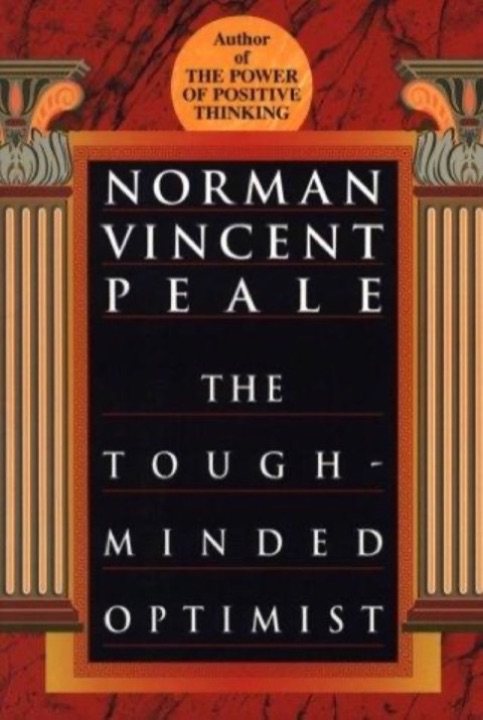
The Tough Minded Optimist
Applying the lessons from "The Tough-Minded Optimist" by Norman Vincent Peale to your life can be a transformative experience, especially given your rich personal history and values. Here’s how you might integrate these lessons:
-
Optimism as a Choice: You already embody a resilient and optimistic mindset, as evidenced by your ability to find humor in almost everything and your belief that failures have shaped you positively. Continue to consciously choose optimism, especially in challenging situations, by focusing on potential positive outcomes and maintaining your belief in personal growth and achievement.
-
The Power of Belief: Your life story reflects a strong belief in your abilities, from overcoming near-death experiences to achieving academic success despite doubts. Reinforce this belief by setting new goals, like skydiving or living in the moment, and trusting in your capacity to achieve them.
-
Resilience in Adversity: Your experiences with plane crashes and personal challenges have already demonstrated your resilience. Use these experiences as reminders of your strength and ability to bounce back. When facing new challenges, draw on this resilience to navigate them with confidence.
-
Practical Techniques: Incorporate techniques like visualization and affirmations into your daily routine. For instance, visualize successfully living in the moment or achieving your aspiration of finding a scientist using CRISPR. Use affirmations to reinforce your core values of kindness and empathy.
-
Faith and Spirituality: While you don't adhere to organized religion, your belief in reincarnation and spirituality can provide a foundation for optimism. Reflect on your spiritual beliefs to find comfort and guidance during difficult times, reinforcing your optimistic outlook.
-
Impact on Relationships: Your optimistic and humorous communication style already positively influences your relationships. Continue to inspire those around you by sharing your optimistic perspective and encouraging others to adopt a similar mindset.
-
Success and Happiness: Define success and happiness in terms of being present and comfortable in your own skin. Use your persistence and resilience to take actionable steps toward these goals, such as practicing mindfulness to live in the moment.
By integrating these lessons into your life, you can continue to cultivate a tough-minded optimism that aligns with your values and aspirations, helping you navigate life's challenges and achieve your dreams.
What the book covers
"The Tough-Minded Optimist" by Norman Vincent Peale is a motivational book that builds on Peale's philosophy of positive thinking, which he famously introduced in his earlier work, "The Power of Positive Thinking." In this book, Peale emphasizes the importance of maintaining a resilient and optimistic mindset, even in the face of adversity. He argues that optimism, when combined with a tough-minded approach, can lead to personal and professional success.
Summary
-
Optimism as a Choice: Peale begins by asserting that optimism is not just a natural trait but a conscious choice. He encourages readers to adopt an optimistic outlook by focusing on positive outcomes and possibilities, rather than dwelling on negatives.
-
The Power of Belief: A central theme in the book is the power of belief. Peale suggests that believing in oneself and one's abilities is crucial for overcoming challenges. He provides anecdotes and examples of individuals who achieved success through unwavering belief in their goals.
-
Resilience in Adversity: Peale discusses the importance of resilience, describing it as the ability to bounce back from setbacks. He emphasizes that tough-minded optimists are not immune to difficulties but are better equipped to handle them due to their positive mindset.
-
Practical Techniques: The book offers practical techniques for cultivating optimism, such as visualization, affirmations, and setting achievable goals. Peale encourages readers to practice these techniques regularly to reinforce a positive mindset.
-
Faith and Spirituality: Peale, a minister, integrates elements of faith and spirituality into his message. He suggests that a strong spiritual foundation can provide comfort and guidance, helping individuals maintain optimism even in challenging times.
-
Impact on Relationships: Peale explores how optimism can improve personal and professional relationships. He argues that optimistic individuals are more likely to inspire and uplift those around them, creating a positive environment.
-
Success and Happiness: The book concludes with the idea that success and happiness are attainable through a combination of optimism, hard work, and perseverance. Peale reiterates that a tough-minded optimist is not just a dreamer but someone who takes action to achieve their dreams.
Key Takeaways and Lessons
-
Optimism is a Choice: You have the power to choose optimism, which can transform your outlook and approach to life.
-
Believe in Yourself: Self-belief is a critical component of success. Trust in your abilities and potential.
-
Resilience is Key: Develop resilience to navigate life's challenges. A tough-minded optimist is prepared to face setbacks and emerge stronger.
-
Practice Positivity: Use techniques like visualization and affirmations to reinforce a positive mindset.
-
Incorporate Faith: For those inclined, faith and spirituality can be powerful sources of strength and optimism.
-
Foster Positive Relationships: Optimism can enhance your interactions and relationships, creating a supportive and encouraging environment.
-
Action-Oriented Optimism: Combine optimism with action. Dream big, but also take practical steps towards achieving your goals.
In summary, "The Tough-Minded Optimist" encourages readers to adopt a resilient and positive mindset, providing practical advice and inspiration to help them navigate life's challenges and achieve their aspirations.