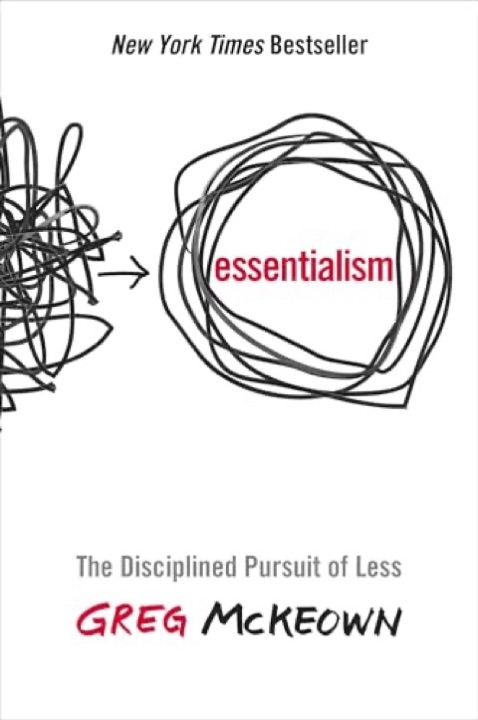
Essentialism: The Disciplined Pursuit of Less
Applying the principles of "Essentialism: The Disciplined Pursuit of Less" by Greg McKeown to your life can help you focus on what truly matters and enhance your overall well-being. Here are some tailored suggestions based on your personal narrative:
-
Prioritize Ruthlessly: Given your diverse interests and commitments, it's crucial to identify the few activities and relationships that bring you the most joy and fulfillment. For instance, prioritize time with your family, especially your children and grandchild, as they are central to your happiness.
-
Embrace Trade-offs: Recognize that you can't do everything. For example, while you have a passion for flying and a desire to try skydiving, consider which activity aligns more with your current life goals and focus on that.
-
Create Space to Think: With your busy schedule, it's important to carve out time for reflection and exploration. This could be during your early morning routine or while engaging in activities like reading or writing, which you enjoy.
-
Learn to Say No: Protect your time and energy by saying "no" to commitments that don't align with your core values or essential goals. This might involve declining social invitations or work-related tasks that don't contribute to your personal growth or happiness.
-
Design a System for Execution: You already have a structured daily routine. Enhance it by ensuring that your environment supports your essential activities, such as creating a dedicated space for reading or writing.
-
Focus on the Present: Practice mindfulness by being fully present in your interactions and activities. This can help you enjoy moments with your family and friends more deeply and reduce stress.
-
Continuous Evaluation: Regularly assess your commitments and activities to ensure they align with your essential priorities. This could involve reflecting on your daily wins and losses, as you already do, and making adjustments as needed.
By integrating these essentialist principles into your life, you can continue to lead a meaningful and productive life, focusing on what truly matters and achieving greater satisfaction and success.
What the book covers
"Essentialism: The Disciplined Pursuit of Less" by Greg McKeown is a guide to focusing on what truly matters in life and work. The book advocates for a systematic discipline to discern what is essential, eliminate what is not, and remove obstacles so the essential things have the space to flourish. McKeown's philosophy is about doing fewer things better, rather than trying to do everything.
Summary:
Part 1: Essence
- The Essentialist Mindset: Essentialism is about making the wisest possible investment of your time and energy in order to operate at your highest point of contribution. It requires a shift in mindset from "I have to" to "I choose to," and from "It's all important" to "Only a few things really matter."
- The Invincible Power of Choice: McKeown emphasizes the power of choice. Essentialists recognize that they have the ability to choose how they spend their time and energy, rather than allowing others to dictate their priorities.
Part 2: Explore
- Discern: Essentialists explore more options in order to discern the vital few from the trivial many. This involves creating space to think, play, and sleep, which are crucial for creativity and decision-making.
- Escape: Creating space to escape and explore is essential. McKeown suggests setting aside time to reflect and think, which can lead to breakthroughs and insights.
- Look: Observing and listening to what is not being said is crucial. Essentialists pay attention to subtle cues and signals that others might miss.
- Play: Play is not trivial; it is essential for creativity and innovation. It helps us see possibilities and solutions that are not immediately obvious.
- Sleep: Sleep is a priority, not a luxury. It is essential for high performance and decision-making.
Part 3: Eliminate
- Clarify: Essentialists clarify what is essential by defining their purpose and goals. This clarity helps them say "no" to non-essential tasks and commitments.
- Dare: Saying "no" is a powerful tool for protecting your time and energy. Essentialists learn to say "no" gracefully and confidently.
- Uncommit: Essentialists are willing to cut losses and uncommit from non-essential activities, even if they have invested time and resources in them.
- Edit: Like an editor, essentialists cut out the non-essential to make the essential stand out. This involves removing obstacles and distractions.
Part 4: Execute
- Flow: Essentialists create a system that makes execution effortless. They design routines and environments that support their essential activities.
- Focus: Essentialists focus on the present moment and the task at hand. They eliminate distractions and interruptions to maintain deep focus.
- Be: Essentialism is not a one-time event but a continual process of focusing on what is essential and eliminating what is not.
Key Takeaways and Lessons:
-
Prioritize Ruthlessly: Focus on the few things that truly matter and let go of the rest. This requires saying "no" more often and setting clear boundaries.
-
Embrace Trade-offs: Recognize that you can't do everything. By choosing to focus on what is essential, you are making a deliberate trade-off to ignore the non-essential.
-
Create Space to Think: Regularly schedule time for reflection and exploration. This space is crucial for creativity and making informed decisions.
-
Learn to Say No: Saying "no" is essential for protecting your time and energy. Practice saying "no" gracefully and without guilt.
-
Design a System for Execution: Create routines and environments that make it easier to focus on essential tasks. This helps in maintaining consistency and reducing decision fatigue.
-
Focus on the Present: Cultivate mindfulness and focus on the task at hand. Avoid multitasking and distractions to enhance productivity and quality of work.
-
Continuous Evaluation: Essentialism is an ongoing process. Regularly evaluate your commitments and activities to ensure they align with your essential priorities.
By adopting the principles of essentialism, individuals can lead more meaningful and productive lives, focusing on what truly matters and achieving greater satisfaction and success.