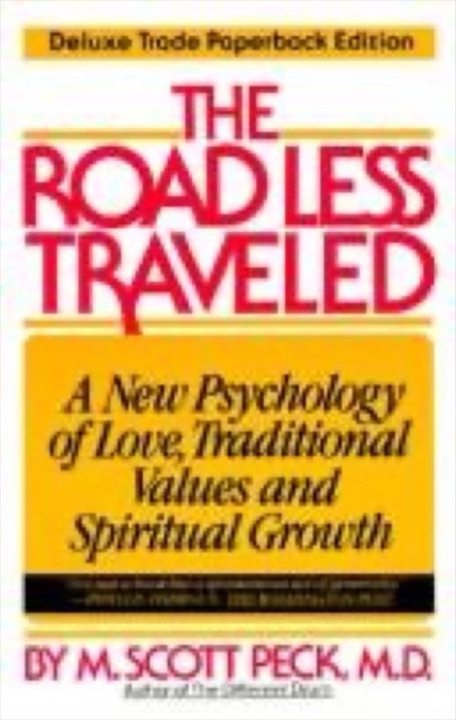
The Road Less Traveled
Applying the lessons from "The Road Less Traveled" by M. Scott Peck to your life can enhance your personal growth and fulfillment. Here’s how you might integrate some of the book's key teachings into your life:
Embrace Discipline
-
Delaying Gratification: You already have a structured routine and a strong work ethic. Continue to prioritize long-term goals over immediate pleasures, especially in areas like health and personal development. For example, your commitment to exercise and early mornings is a testament to this principle.
-
Acceptance of Responsibility: You seem to take responsibility for your actions and decisions, as seen in your advocacy work and personal achievements. Continue to own your choices and their outcomes, both positive and negative, to foster further growth.
-
Dedication to Truth: Your direct communication style and commitment to honesty align with this principle. Keep seeking truth in your interactions and self-reflection, ensuring that you remain authentic and transparent.
-
Balancing: While you acknowledge a lack of balance as a weakness, strive to find equilibrium between your various interests and responsibilities. This might involve setting boundaries or prioritizing activities that align with your core values.
Understand True Love
-
Love as an Action: You value kindness and empathy, which are crucial components of genuine love. Continue to express love through actions, whether it's spending time with family, helping others, or engaging in meaningful work.
-
Self-Love: Ensure that you also practice self-compassion and acceptance. Recognize your strengths and achievements, and allow yourself grace in moments of imperfection.
-
Dependency vs. Love: Maintain healthy, interdependent relationships based on mutual respect and growth. Your close relationship with your children and family reflects this understanding.
Pursue Spiritual Growth
-
Spiritual Exploration: Your belief in reincarnation and spirituality suggests an openness to exploring life's mysteries. Continue to seek deeper understanding and consciousness, perhaps through meditation, reflection, or new experiences.
-
Grace: Be open to moments of serendipity and spiritual insight. Recognize and appreciate the unearned support and opportunities that come your way, viewing them as part of your growth journey.
Recognize the Role of Grace
- Openness to Grace: Acknowledge the mysterious forces that aid your personal transformation. This might involve being more attuned to moments of unexpected help or inspiration in your life.
Commit to Lifelong Learning
- Continuous Growth: Your mindset of being in a constant state of beta aligns with this principle. Keep embracing new challenges, learning from failures, and adapting to change.
By integrating these lessons into your life, you can continue to grow personally and spiritually, enhancing your fulfillment and impact on the world around you.
What the book covers
"The Road Less Traveled" by M. Scott Peck is a seminal work in the field of self-help and personal development, first published in 1978. The book combines insights from psychology, spirituality, and personal anecdotes to explore the nature of personal growth and fulfillment. Here is a thorough summary of the book, along with key takeaways and lessons:
Summary
Part I: Discipline
Peck begins by emphasizing the importance of discipline as a foundational element for a fulfilling life. He outlines four tools of discipline:
- Delaying Gratification: The ability to prioritize long-term benefits over immediate pleasure is crucial for personal growth.
- Acceptance of Responsibility: Taking responsibility for one's actions and decisions is essential for personal development.
- Dedication to Truth: A commitment to honesty and reality is necessary to understand oneself and the world accurately.
- Balancing: The ability to balance various aspects of life and make difficult decisions is a key component of discipline.
Part II: Love
Peck explores the concept of love, distinguishing between genuine love and what he terms "romantic love." He argues that true love is an act of will, involving effort, attention, and the desire for the spiritual growth of oneself and others. Key points include:
- Love as an Action: Love is not just a feeling but an active process that requires work and commitment.
- Self-Love: Understanding and accepting oneself is crucial for the ability to love others.
- Dependency vs. Love: Peck differentiates between dependency, which is rooted in neediness, and genuine love, which is based on mutual respect and growth.
Part III: Growth and Religion
In this section, Peck discusses the role of religion and spirituality in personal growth. He suggests that spiritual growth is a journey toward a higher level of consciousness and understanding. Key ideas include:
- The Role of Religion: Religion can provide a framework for understanding life's mysteries, but it should not be dogmatic or restrictive.
- Spiritual Growth: This involves expanding one's consciousness and understanding of the universe and one's place within it.
- Grace: Peck introduces the concept of grace as an unearned spiritual assistance that helps individuals grow and overcome life's challenges.
Part IV: Grace
Peck concludes by delving deeper into the concept of grace, which he describes as a mysterious force that aids in personal growth and transformation. He suggests that grace is evident in moments of serendipity, healing, and spiritual insight.
Key Takeaways and Lessons
-
Embrace Discipline: Discipline is essential for overcoming life's challenges and achieving personal growth. It involves delaying gratification, accepting responsibility, being truthful, and maintaining balance.
-
Understand True Love: Genuine love is an act of will that requires effort and commitment. It is distinct from dependency and is essential for personal and relational growth.
-
Pursue Spiritual Growth: Personal development is deeply connected to spiritual growth. This involves expanding one's consciousness and understanding of the universe.
-
Recognize the Role of Grace: Be open to the concept of grace as a supportive force that can aid in overcoming obstacles and achieving personal transformation.
-
Commit to Lifelong Learning: Personal growth is a continuous journey that requires ongoing effort, reflection, and adaptation.
"The Road Less Traveled" encourages readers to take responsibility for their own lives, embrace the challenges of personal growth, and seek a deeper understanding of themselves and the world around them.