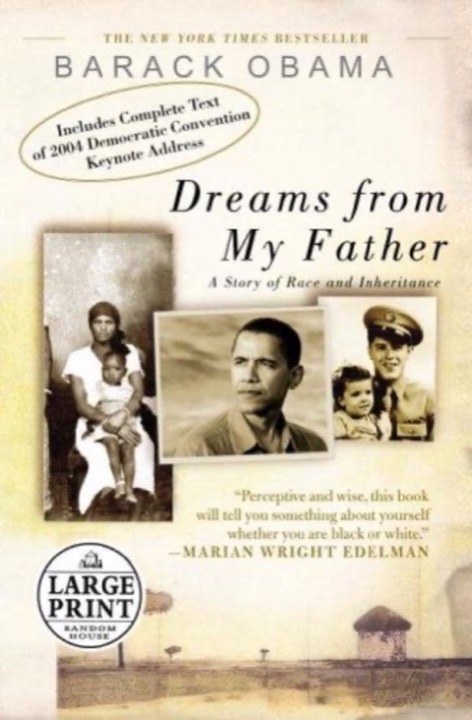
Dreams from my Father
Applying the lessons from "Dreams from My Father" by Barack Obama to your life can be a meaningful exercise in self-reflection and growth. Here are some ways you might do so:
-
Identity and Belonging: - Reflect on your own journey of identity and belonging. Consider how your experiences, such as being born in an orphanage and being rejected by your birth mother, have shaped your understanding of who you are. Embrace the complexities of your identity and continue to explore how your past influences your present.
-
Empathy and Understanding: - Your life already reflects a strong commitment to empathy and kindness. Continue to engage with diverse perspectives and experiences, as Obama did in Chicago and Kenya. Use your experiences, such as working in the emergency department, to deepen your understanding of others' struggles and to foster empathy in your interactions.
-
Resilience and Perseverance: - Your resilience is evident in your response to near-death experiences and personal challenges. Continue to draw strength from these experiences, using them as reminders of your capacity to overcome adversity. Embrace the mindset of "Never, ever quit" as you pursue your goals and aspirations.
-
Community and Activism: - Like Obama, you have a passion for social issues and activism. Continue to advocate for causes you believe in, such as equality and anti-human trafficking. Use your skills and experiences to empower others and drive positive change in your community.
-
Reconciliation and Forgiveness: - Reflect on your relationship with your father and the regret of not seeing him before he passed away. Consider how reconciliation and forgiveness can play a role in your life, helping you to heal and move forward with a clearer sense of purpose.
-
Living in the Moment: - One of your aspirations is to live in the moment. Take inspiration from Obama's journey to Kenya, where he connected with his heritage and gained a deeper appreciation for his identity. Practice mindfulness and presence in your daily life, cherishing the moments with your family and loved ones.
-
Personal Growth and Lifelong Learning: - Embrace your mindset of being in a constant state of beta and a lifelong learner. Continue to seek opportunities for personal growth, whether through new experiences, hobbies, or relationships. Use your strengths, such as resilience and humor, to navigate challenges and learn from them.
By applying these lessons, you can continue to grow as an individual, deepen your understanding of yourself and others, and contribute positively to the world around you.
What the book covers
"Dreams from My Father: A Story of Race and Inheritance" is a memoir by Barack Obama, published in 1995, which explores his early life, his journey of self-discovery, and his understanding of race and identity. The book is divided into three main parts: "Origins," "Chicago," and "Kenya."
Summary:
Origins:
The memoir begins with Obama's childhood in Hawaii and Indonesia. He was born to a Kenyan father, Barack Obama Sr., and an American mother, Ann Dunham. His father left the family when Obama was just two years old, and they only met once more when Obama was ten. This absence profoundly impacted Obama's understanding of his identity and heritage.
Obama's mother remarried, and the family moved to Indonesia, where Obama experienced a different culture and lifestyle. Eventually, he returned to Hawaii to live with his grandparents, where he attended the prestigious Punahou School. During this time, Obama grappled with questions about his racial identity, feeling like an outsider in both black and white communities.
Chicago:
After graduating from Columbia University, Obama moved to Chicago to work as a community organizer. This section of the book details his efforts to improve living conditions in the city's South Side, a predominantly African American neighborhood. Through his work, Obama gained a deeper understanding of the struggles faced by black communities and the systemic issues contributing to their challenges.
His experiences in Chicago were formative, teaching him about leadership, empathy, and the importance of grassroots activism. He also began to see the power of collective action and the potential for change through political engagement.
Kenya:
The final section of the memoir describes Obama's journey to Kenya to connect with his father's side of the family. This trip was a pivotal moment in his life, as he sought to understand his father's legacy and his own place within it. In Kenya, Obama met relatives, learned about his father's life and struggles, and gained a deeper appreciation for his African heritage.
This journey helped Obama reconcile the different parts of his identity and come to terms with his father's absence. It also reinforced his commitment to social justice and public service.
Key Takeaways and Lessons:
-
Identity and Belonging: Obama's memoir highlights the complexities of racial and cultural identity. It underscores the importance of understanding one's heritage and the impact of family history on personal identity.
-
Empathy and Understanding: Through his work in Chicago and his travels to Kenya, Obama learned the value of empathy and the importance of understanding diverse perspectives. These experiences shaped his approach to leadership and public service.
-
Resilience and Perseverance: Obama's journey demonstrates the power of resilience in the face of adversity. Despite personal and professional challenges, he remained committed to his goals and values.
-
Community and Activism: The memoir emphasizes the significance of community engagement and grassroots activism in driving social change. Obama's work in Chicago taught him the importance of empowering communities to advocate for themselves.
-
Reconciliation and Forgiveness: Obama's exploration of his father's life and legacy illustrates the importance of reconciliation and forgiveness. By confronting his past, he was able to move forward with a clearer sense of purpose.
Overall, "Dreams from My Father" is a poignant exploration of race, identity, and the search for belonging. It offers valuable insights into the experiences that shaped Barack Obama and his vision for a more inclusive and equitable society.