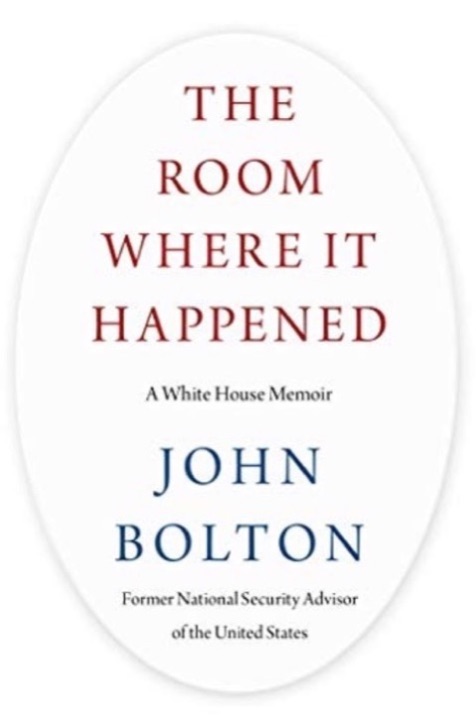
The Room Where It Happened: A White House Memoir
Applying the lessons from "The Room Where It Happened" by John Bolton to your life can involve several key takeaways, particularly in the areas of decision-making, leadership, and personal values. Here’s how you might integrate these lessons:
-
Complexity of Decision-Making: - Recognize the complexity and nuance required in decision-making, especially in high-stakes situations. This aligns with your approach to making decisions quickly and calmly, as seen in your emergency department experiences and flying incidents. Continue to gather as much information as possible and rely on your analytical skills and past experiences.
-
Importance of Process: - Emphasize the need for a structured decision-making process. In your personal and professional life, ensure that you have a clear process for evaluating options and making informed decisions. This could involve setting aside time for reflection and seeking input from trusted advisors or colleagues.
-
Leadership and Informed Decision-Making: - Effective leadership requires being informed and open to expert advice. As someone who values lifelong learning and personal growth, continue to seek knowledge and listen to diverse perspectives. This will enhance your ability to lead and make decisions that align with your values of kindness and empathy.
-
Ethical Considerations: - Reflect on the ethical responsibilities of public officials and leaders. In your role as a physician and advocate, maintain your commitment to ethical behavior and kindness, even in challenging situations. This aligns with your belief in starting with kindness and having strong convictions loosely held.
-
Navigating Chaos and Conflict: - The book highlights the chaotic nature of the Trump administration. In your life, strive to maintain composure and clarity amidst chaos, as you do in emergency situations. Your ability to remain calm and collected is a valuable asset in navigating conflict and uncertainty.
-
Balancing Personal Instincts with Expert Advice: - While personal instincts are important, balance them with expert advice and evidence-based decision-making. This is particularly relevant in your medical practice and advocacy work, where informed decisions can have significant impacts.
-
Resilience and Persistence: - Your superpower of persistence aligns with the resilience needed to navigate complex challenges. Continue to apply this strength in pursuing your goals and overcoming obstacles, whether in personal aspirations like skydiving or professional endeavors.
By integrating these lessons into your life, you can enhance your decision-making, leadership, and personal growth, all while staying true to your core values of kindness, empathy, and resilience.
What the book covers
"The Room Where It Happened: A White House Memoir" by John Bolton is a detailed account of Bolton's tenure as National Security Advisor under President Donald Trump. The book provides an insider's perspective on the Trump administration's foreign policy decisions and internal dynamics. Here is a thorough summary of the book, along with key takeaways and lessons:
Summary:
-
Background and Context: - John Bolton, a seasoned diplomat and foreign policy hawk, served as National Security Advisor from April 2018 to September 2019. - The memoir covers various international issues, including North Korea, Iran, China, Russia, and Venezuela, among others.
-
North Korea: - Bolton describes the administration's efforts to negotiate with North Korea over its nuclear program. - He criticizes the summits between Trump and Kim Jong-un, suggesting they were more about spectacle than substance.
-
Iran: - The book details the administration's decision to withdraw from the Iran nuclear deal. - Bolton advocates for a hardline approach, emphasizing maximum pressure through sanctions.
-
China: - Bolton discusses trade negotiations and the administration's response to China's growing global influence. - He highlights concerns over human rights issues, including the treatment of Uighurs.
-
Russia: - The memoir covers Trump's interactions with Vladimir Putin and the administration's handling of Russian interference in U.S. elections. - Bolton expresses frustration over what he perceives as Trump's reluctance to confront Putin.
-
Venezuela: - Bolton provides insights into the U.S. strategy to support opposition leader Juan Guaidó against Nicolás Maduro. - He criticizes the lack of follow-through and coordination in the administration's approach.
-
Internal Dynamics: - The book portrays a chaotic White House with frequent staff turnover and conflicting agendas. - Bolton describes Trump as impulsive and often uninformed on key issues, relying heavily on personal instincts.
-
Impeachment: - Bolton touches on the Ukraine scandal that led to Trump's impeachment, though he refrains from providing detailed testimony in the book.
Key Takeaways and Lessons:
-
Complexity of Foreign Policy: - The memoir underscores the complexity and nuance required in international diplomacy, often at odds with Trump's transactional approach.
-
Importance of Process: - Bolton emphasizes the need for a structured decision-making process, which he found lacking in the Trump administration.
-
Role of National Security Advisor: - The book illustrates the challenges faced by a National Security Advisor in balancing the president's directives with national security interests.
-
Leadership and Decision-Making: - Effective leadership requires informed decision-making and a willingness to listen to expert advice, qualities Bolton found deficient in Trump.
-
Ethical Considerations: - Bolton's decision not to testify during the impeachment process raises questions about the ethical responsibilities of public officials.
Overall, "The Room Where It Happened" provides a critical view of the Trump administration's foreign policy and internal workings, highlighting the challenges of navigating complex global issues in a tumultuous political environment.