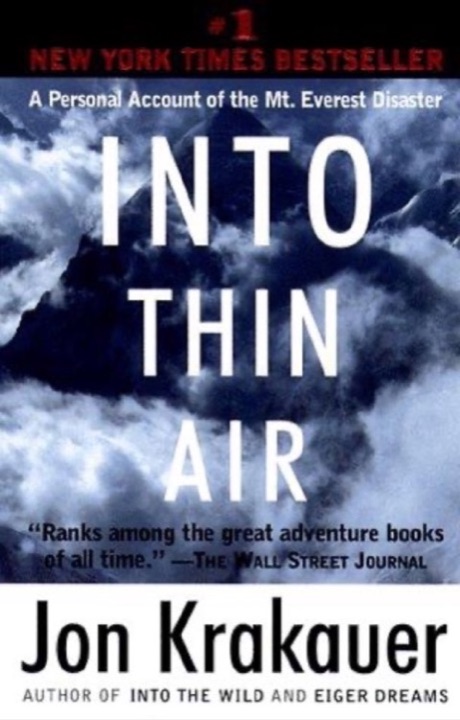
Into Thin Air
Applying the lessons from "Into Thin Air" by Jon Krakauer to your life can offer valuable insights, especially given your adventurous spirit and life experiences. Here are some ways you might integrate these lessons:
-
Respect for Nature's Power: - Your experiences with near-death situations, particularly in plane crashes, already highlight an understanding of nature's unpredictability. Continue to respect the power of nature and remain prepared for unexpected challenges, whether in flying or any other adventurous pursuits like your dream of skydiving.
-
Decision-Making Under Pressure: - As someone who values calm decision-making in high-stakes situations, reinforce the importance of making informed and timely decisions. The book emphasizes the critical nature of adhering to turnaround times and knowing when to abandon a goal for safety, which can be applied to both your professional and personal life.
-
The Dangers of Commercialization: - Reflect on the commercialization aspects in your field, whether in medicine or aviation. Consider how the drive for success or profit might impact safety and ethical standards, and strive to maintain a balance between ambition and responsibility.
-
Team Dynamics and Leadership: - Given your leadership experiences, focus on fostering effective communication and strong team dynamics. Encourage open dialogue and ensure that everyone feels heard, especially in high-pressure environments like the emergency department.
-
Human Limits and Resilience: - Your resilience is a noted strength. Continue to push your limits while recognizing when to step back. Balance your persistence with self-awareness to avoid burnout and ensure long-term well-being.
-
Survivor's Guilt and Psychological Impact: - Acknowledge any emotional or psychological impacts from your past experiences. Like the survivors in the book, it's important to process these feelings and seek support if needed. Your belief in living in the moment can help you focus on the present and appreciate life’s experiences.
-
Ethical Decision-Making: - Maintain your ethical standards and kindness, even when faced with challenging situations. The book highlights the consequences of decisions made under pressure, reinforcing the importance of staying true to your values.
-
Living with Purpose: - Your desire to live as if you were dying every day aligns with the book's exploration of ambition and risk. Continue to pursue your passions and aspirations, such as skydiving or contributing to scientific advancements, while cherishing your relationships and personal achievements.
By integrating these lessons, you can enhance your approach to life's challenges, ensuring that you remain grounded, ethical, and resilient in the face of adversity.
What the book covers
"Into Thin Air" by Jon Krakauer is a gripping, first-person account of the 1996 Mount Everest disaster, where eight climbers lost their lives during a severe storm. Krakauer, a journalist and mountaineer, was part of a guided expedition led by Rob Hall, one of the most experienced and respected guides on Everest. The book provides a detailed narrative of the events leading up to the tragedy, the climb itself, and the aftermath.
Summary:
Background and Preparation: Krakauer was commissioned by Outside magazine to write about the commercialization of Everest. He joined Adventure Consultants, led by Rob Hall, a New Zealander with a reputation for safely guiding clients to the summit. The team included climbers of varying experience levels, each with personal motivations for attempting the climb.
The Ascent: The narrative details the acclimatization process, the challenges of high-altitude climbing, and the dynamics within the team. Krakauer describes the physical and mental toll of the climb, as well as the interactions with other expeditions on the mountain, including Scott Fischer's Mountain Madness team.
Summit Day: On May 10, 1996, several teams attempted to summit. Krakauer reached the top but noted delays and bottlenecks, particularly at the Hillary Step, a critical point near the summit. These delays, combined with a late start, set the stage for disaster as a sudden storm hit the mountain.
The Disaster: The storm caught many climbers high on the mountain, leading to confusion and disorientation. Rob Hall and several others were stranded near the summit. Despite heroic rescue attempts, Hall and others perished. Krakauer recounts the harrowing experiences of those who survived, including Beck Weathers, who was left for dead but miraculously made it back to camp.
Aftermath: Krakauer reflects on the tragedy, examining the decisions made by climbers and guides. He explores the impact of commercial expeditions on Everest, questioning whether the drive to summit at all costs contributed to the disaster. The book also addresses the emotional and psychological toll on survivors and the families of those who died.
Key Takeaways and Lessons:
-
The Dangers of Commercialization: - The book highlights the risks associated with the commercialization of Everest, where inexperienced climbers rely heavily on guides, sometimes leading to dangerous situations.
-
Decision-Making Under Pressure: - Critical decisions made under extreme conditions can have life-or-death consequences. The importance of adhering to turnaround times and recognizing when to abandon a summit attempt is emphasized.
-
Human Limits and Nature's Power: - Krakauer underscores the formidable power of nature and the limitations of human endurance. The mountain's unpredictable weather and harsh conditions can quickly turn a climb into a life-threatening situation.
-
Team Dynamics and Leadership: - Effective leadership and clear communication are crucial in high-stakes environments. The book examines how group dynamics and leadership styles impacted the outcome of the climb.
-
Survivor's Guilt and Psychological Impact: - Krakauer and other survivors grapple with guilt and trauma, highlighting the psychological impact of surviving a disaster where others perished.
"Into Thin Air" serves as a cautionary tale about the perils of high-altitude climbing and the complex interplay of ambition, risk, and responsibility. It remains a poignant exploration of human ambition and the relentless allure of Everest.