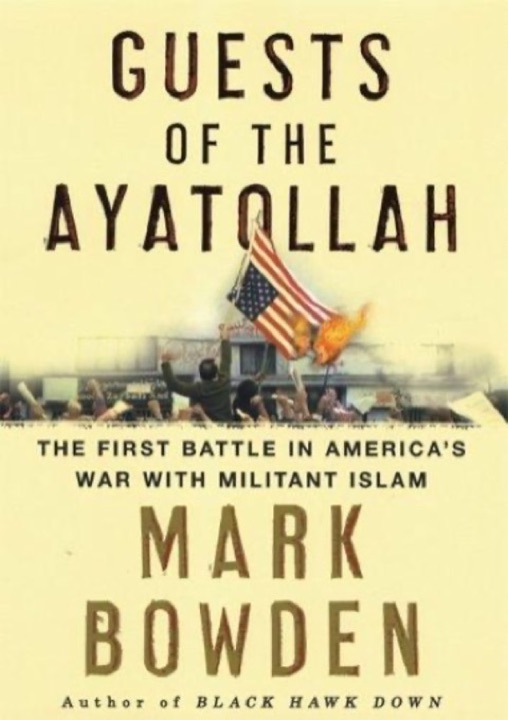
Guests of the Ayatollah
"Guests of the Ayatollah" by Mark Bowden offers several lessons that can be applied to your life, given your experiences, beliefs, and values. Here are a few ways you might integrate these lessons:
-
Complexity of International Relations: - Given your interest in social issues and activism, you can apply the understanding of complex international relations to your advocacy work. Recognize that social issues often have deep-rooted historical and geopolitical contexts, and approach them with a nuanced perspective.
-
Impact of Historical Grievances: - Reflect on how past experiences, both personal and societal, shape current realities. Your own life experiences, such as being rejected by your birth mother, have influenced your identity and worldview. Use this understanding to empathize with others who carry historical grievances and work towards healing and reconciliation.
-
Human Resilience: - The hostages' resilience during captivity mirrors your own resilience in facing near-death experiences and personal challenges. Continue to draw strength from your past experiences, using them as a foundation to tackle future obstacles with persistence and optimism.
-
Limits of Military Solutions: - In your professional and personal life, recognize the limitations of forceful or aggressive solutions. Whether dealing with difficult situations in the emergency department or addressing social issues, prioritize diplomacy, empathy, and understanding over confrontation.
-
Media and Public Perception: - As someone who values direct communication and humor, be mindful of how media and public perception can shape narratives. Use your communication skills to convey messages that promote kindness and understanding, countering negative or divisive rhetoric.
By applying these lessons, you can continue to live a life guided by kindness, empathy, and resilience, while also contributing positively to the world around you.
What the book covers
"Guests of the Ayatollah: The First Battle in America's War with Militant Islam" by Mark Bowden is a detailed and gripping account of the Iran hostage crisis, which began on November 4, 1979, when Iranian militants seized the U.S. Embassy in Tehran and took 66 Americans hostage. The crisis lasted 444 days and marked a significant turning point in U.S.-Iran relations and the broader geopolitical landscape.
Summary:
-
Background and Context: - The book begins by setting the stage with the political climate in Iran leading up to the crisis. It explores the overthrow of the Shah of Iran, Mohammad Reza Pahlavi, and the rise of Ayatollah Khomeini, who established an Islamic Republic. - Bowden delves into the anti-American sentiment that fueled the hostage-taking, rooted in decades of U.S. support for the Shah's regime.
-
The Siege: - The narrative provides a detailed account of the day the embassy was stormed, capturing the chaos and fear experienced by the hostages. - Bowden introduces readers to the hostages, offering personal stories and insights into their backgrounds and experiences during captivity.
-
Diplomatic and Military Efforts: - The book covers the Carter administration's attempts to negotiate the hostages' release, highlighting the challenges and frustrations faced by U.S. officials. - Bowden provides an in-depth look at Operation Eagle Claw, the failed rescue mission that ended in disaster in the Iranian desert, further complicating the crisis.
-
Life in Captivity: - Through interviews and personal accounts, Bowden paints a vivid picture of the hostages' daily lives, their coping mechanisms, and the psychological toll of their prolonged captivity. - The book also explores the dynamics between the hostages and their captors, revealing moments of both tension and unexpected humanity.
-
Resolution and Aftermath: - The narrative builds up to the eventual release of the hostages on January 20, 1981, coinciding with Ronald Reagan's inauguration as U.S. President. - Bowden examines the long-term impact of the crisis on U.S.-Iran relations and its role in shaping American foreign policy in the Middle East.
Key Takeaways and Lessons:
-
Complexity of International Relations: - The book underscores the complexity of international diplomacy and the challenges of negotiating with non-state actors and revolutionary regimes.
-
Impact of Historical Grievances: - Bowden highlights how historical grievances and past foreign policy decisions can have lasting repercussions, influencing current events and relationships.
-
Human Resilience: - The hostages' stories are a testament to human resilience and the capacity to endure extreme adversity through solidarity and mental fortitude.
-
Limits of Military Solutions: - The failure of Operation Eagle Claw illustrates the limitations and risks of military interventions, especially in complex geopolitical situations.
-
Media and Public Perception: - The crisis was one of the first major international events to be broadcast extensively on television, shaping public perception and influencing political pressure on the U.S. government.
Overall, "Guests of the Ayatollah" provides a comprehensive and nuanced exploration of the Iran hostage crisis, offering valuable insights into the interplay of politics, diplomacy, and human endurance.