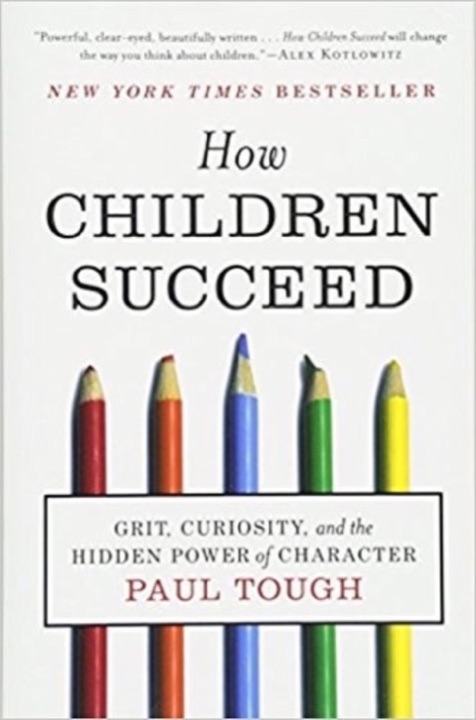
How Children Succeed: Grit, Curiosity, and the Hidden Power of Character
Applying the lessons from "How Children Succeed: Grit, Curiosity, and the Hidden Power of Character" by Paul Tough to your life can be a transformative process, especially considering your rich life experiences and personal philosophy. Here are some ways you might integrate these lessons:
-
Emphasize Non-Cognitive Skills: - Reflect on how your own resilience, humor, kindness, and empathy have contributed to your successes and personal growth. Consider ways to further cultivate these traits in yourself and others, perhaps by mentoring or sharing your experiences with younger generations.
-
Leverage Adversity for Growth: - You've faced significant challenges, such as near-death experiences and personal losses. Use these experiences as a foundation to build even greater resilience and grit. Share your stories to inspire others to see adversity as an opportunity for growth.
-
Foster Secure Attachments: - Given the importance of early childhood experiences, continue to nurture strong, supportive relationships with your family, especially your grandchild. Your involvement can help instill the values of kindness and empathy in the next generation.
-
Integrate Character Development: - In your professional and personal life, emphasize the importance of character development alongside traditional achievements. Encourage those around you to value traits like perseverance and curiosity as much as academic or career success.
-
Be a Role Model and Mentor: - Your life experiences and values make you an excellent role model. Consider mentoring others, sharing your insights on resilience, and demonstrating how to approach life with humor and empathy.
-
Support Tailored Interventions: - Advocate for or support programs that focus on character development, especially in educational settings. Your involvement in activism and advocacy can extend to promoting these values in broader societal contexts.
-
Adopt a Long-Term Perspective: - Continue to view personal growth as a lifelong journey. Embrace the idea that developing character is an ongoing process, and remain open to learning and evolving.
-
Live in the Moment: - One of your aspirations is to live in the moment. Practice mindfulness and gratitude to enhance your ability to appreciate the present, which can further develop your character and enrich your life.
By integrating these lessons into your life, you can continue to grow personally and positively impact those around you, aligning with your values and aspirations.
What the book covers
"How Children Succeed: Grit, Curiosity, and the Hidden Power of Character" by Paul Tough explores the idea that non-cognitive skills, such as grit, curiosity, and character, play a crucial role in children's success, often more so than cognitive skills like IQ and academic knowledge. Tough argues that these character traits can be developed and are essential for overcoming adversity and achieving long-term success.
Summary:
-
Introduction to Non-Cognitive Skills: - Tough begins by challenging the traditional emphasis on cognitive skills and standardized testing in education. He introduces the concept of non-cognitive skills, which include traits like perseverance, self-control, and social intelligence.
-
The Role of Adversity: - The book discusses how children who face adversity often develop resilience and grit. Tough highlights research showing that children who experience manageable levels of stress can develop stronger coping mechanisms and adaptability.
-
The Importance of Attachment and Early Childhood: - Tough emphasizes the significance of early childhood experiences and secure attachment with caregivers. He discusses how nurturing environments contribute to the development of non-cognitive skills.
-
Case Studies and Real-World Examples: - Throughout the book, Tough provides case studies and examples from various educational settings, including inner-city schools and elite private schools. These examples illustrate how different environments and teaching methods impact the development of character.
-
The Role of Educators and Parents: - The book highlights the role of educators and parents in fostering non-cognitive skills. Tough argues that teaching methods should focus on character development alongside academic instruction.
-
Programs and Interventions: - Tough examines various programs and interventions designed to build character in children. He discusses the effectiveness of these programs and the challenges they face in implementation.
-
The Science Behind Character Development: - The book delves into the science of character development, including psychological and neurological research. Tough explains how traits like grit and curiosity can be nurtured and measured.
Key Takeaways and Lessons:
- Character Over Cognition:
-
Success is not solely determined by cognitive abilities. Non-cognitive skills like grit and resilience are equally, if not more, important.
-
Adversity as a Tool for Growth:
-
Experiencing and overcoming adversity can strengthen character and prepare children for future challenges.
-
Early Childhood Matters:
-
The early years are critical for character development. Secure attachments and supportive environments lay the foundation for future success.
-
Holistic Education:
-
Education systems should integrate character education into their curricula, focusing on developing the whole child rather than just academic skills.
-
Role Models and Mentors:
-
Positive role models and mentors can significantly influence the development of non-cognitive skills in children.
-
Tailored Interventions:
-
Interventions should be tailored to individual needs and contexts, recognizing that there is no one-size-fits-all solution to character development.
-
Long-Term Perspective:
- Developing character is a long-term process that requires patience and persistence from educators, parents, and the children themselves.
In conclusion, "How Children Succeed" challenges conventional wisdom about education and success, advocating for a broader understanding of what it means to help children thrive. By focusing on character development, society can better prepare children for the complexities of life and work in the 21st century.