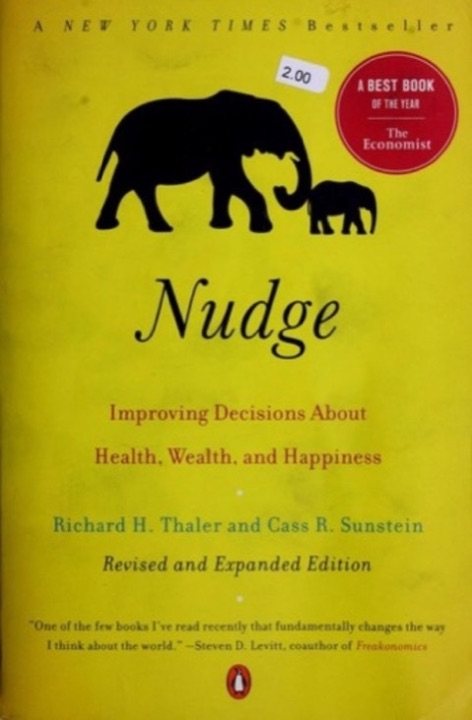
Nudge: Improving Decisions About Health, Wealth, and Happiness
Applying the lessons from "Nudge" by Richard H. Thaler and Cass R. Sunstein to your life can be a thoughtful and strategic way to enhance decision-making and improve outcomes in various aspects of your life. Here are some ways you might consider integrating these concepts:
-
Choice Architecture in Daily Life: - Health and Fitness: Arrange your environment to encourage healthier choices. For example, keep healthy snacks visible and easily accessible, and set up your workout gear the night before to nudge yourself toward regular exercise. - Time Management: Use digital tools to set reminders and default settings that prioritize important tasks, helping you manage your time more effectively.
-
Leveraging Defaults: - Financial Planning: Consider setting up automatic transfers to savings or retirement accounts to ensure consistent contributions without needing to remember each month. - Routine Habits: Establish default routines for daily activities, such as a morning exercise routine or a set time for reading, to make these beneficial habits more automatic.
-
Social Norms and Influences: - Community Engagement: Use your influence and network to promote positive behaviors, such as volunteering or participating in community events, by highlighting the involvement of others. - Family and Friends: Encourage healthy habits or positive changes within your family by sharing stories of others who have successfully adopted similar behaviors.
-
Ethical Considerations: - Transparency and Integrity: When influencing others, whether in your professional or personal life, ensure that your intentions are clear and that you respect their autonomy. Use nudges to promote welfare and autonomy rather than manipulation.
-
Personal Growth and Development: - Self-Reflection: Regularly evaluate your own decision-making processes and identify areas where you might be influenced by biases or heuristics. Use this awareness to make more informed choices. - Continuous Learning: Embrace a mindset of lifelong learning, as you already do, by nudging yourself to explore new topics or skills that align with your interests and values.
-
Applying Nudges to Hobbies and Interests: - Travel and Adventure: Plan trips or activities that align with your aspirations, such as skydiving, by setting small, achievable steps toward these goals, like researching locations or booking a lesson. - Family Time: Create environments that naturally encourage quality time with your family, such as setting up regular family dinners or game nights.
By thoughtfully applying these principles, you can create environments and routines that naturally guide you toward choices that align with your values and goals, enhancing your overall well-being and satisfaction in life.
What the book covers
"Nudge: Improving Decisions About Health, Wealth, and Happiness" is a seminal book by Richard H. Thaler and Cass R. Sunstein, published in 2008. The book explores the concept of "nudging," a term the authors use to describe subtle policy shifts that encourage people to make decisions that are in their broad self-interest, without restricting their freedom of choice. Here is a thorough summary of the book, including key takeaways and lessons:
Summary
1. Introduction to Libertarian Paternalism: The authors introduce the concept of "libertarian paternalism," which is the idea that it is both possible and legitimate for private and public institutions to affect behavior while also respecting freedom of choice. They argue that by understanding how people think and make decisions, institutions can design environments that nudge people toward better choices.
2. The Architecture of Choice: Thaler and Sunstein discuss the importance of choice architecture, which refers to the way choices are presented to consumers. They argue that small and seemingly insignificant details can have a major impact on people's behavior. For example, placing healthier foods at eye level in a cafeteria can encourage better eating habits.
3. Human Behavior and Decision-Making: The book delves into the psychology of decision-making, highlighting how humans often rely on heuristics and biases. These mental shortcuts can lead to systematic errors in judgment. The authors discuss concepts like anchoring, availability, and representativeness, which can influence decisions in predictable ways.
4. The Role of Defaults: One of the key insights of the book is the power of default options. People tend to go with the default choice, so setting beneficial defaults can lead to better outcomes. For example, automatically enrolling employees in retirement savings plans can significantly increase participation rates.
5. Social Influences: Thaler and Sunstein explore how social norms and peer influences can serve as powerful nudges. People often look to others when making decisions, so highlighting positive behaviors can encourage similar actions.
6. Applications in Policy and Business: The authors provide numerous examples of how nudging can be applied in various domains, including health care, personal finance, and environmental policy. They discuss how nudges can help increase organ donation rates, improve savings for retirement, and promote energy conservation.
7. Ethical Considerations: The book addresses potential ethical concerns with nudging, emphasizing the importance of transparency and the need to avoid manipulation. The authors argue that nudges should be used to promote welfare and autonomy, not to deceive or coerce.
Key Takeaways and Lessons
-
Understanding Human Behavior: - Recognize that people often make decisions based on heuristics and biases. By understanding these tendencies, we can design better choice environments.
-
The Power of Defaults: - Setting beneficial default options can lead to significant improvements in outcomes without restricting freedom of choice.
-
Importance of Choice Architecture: - Small changes in how choices are presented can have a large impact on decision-making. Thoughtful design can lead to better choices.
-
Social Norms as Nudges: - Leveraging social influences can encourage positive behaviors. Highlighting what others are doing can serve as a powerful motivator.
-
Ethical Use of Nudges: - Nudges should be transparent and aim to enhance welfare and autonomy. Ethical considerations are crucial to ensure that nudges are used responsibly.
-
Broad Applications: - Nudging can be applied across various sectors, including health, finance, and environmental policy, to improve decision-making and outcomes.
"Nudge" has had a significant impact on both public policy and business practices, encouraging leaders to consider how subtle changes in choice architecture can lead to better decisions and improved well-being.