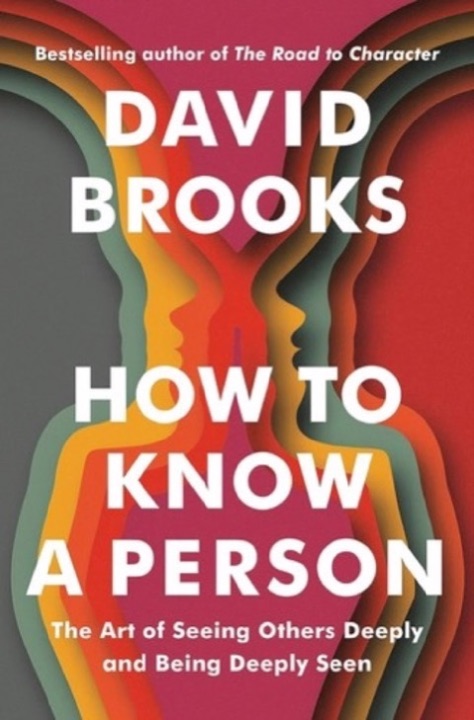
How to Know a Person: The Art of Seeing Others Deeply and Being Deeply Seen
Applying the lessons from "How to Know a Person: The Art of Seeing Others Deeply and Being Deeply Seen" by David Brooks to your life can enhance your already rich interpersonal connections and personal growth. Here are some ways you might integrate these insights:
-
Deepen Existing Connections: - Given your strong relationships with your children and family, you can further deepen these bonds by practicing active listening and empathy. Make a conscious effort to understand their emotions and motivations, even beyond what you already know.
-
Overcome Biases: - Reflect on any biases or preconceived notions you might hold, especially in areas where you feel strongly, such as politics or social issues. Challenge these biases by engaging with diverse perspectives and maintaining an open mind.
-
Embrace Vulnerability: - While you already value kindness and empathy, consider sharing more of your own vulnerabilities with those close to you. This openness can strengthen your relationships and allow others to see you more deeply.
-
Cultivate Community: - Continue to engage in community activities and advocacy work, such as your involvement in anti-human trafficking efforts. Encourage openness and trust within these communities to foster deeper connections.
-
Practice Presence: - Work on living in the moment, a dream you aspire to achieve. Practice mindfulness techniques to enhance your presence during interactions, allowing you to connect more deeply with others.
-
Enhance Communication: - Your communication style is already direct and humorous. Consider incorporating more open-ended questions in conversations to encourage deeper dialogue and understanding.
-
Reflect on Cultural Impacts: - Given your awareness of societal changes, continue to reflect on how cultural and societal factors influence your interactions. Use this awareness to bridge gaps and foster understanding in diverse settings.
-
Personal Growth: - Embrace the idea of being in a constant state of beta. Continue your journey as a lifelong learner by seeking new experiences and perspectives that challenge your current understanding.
-
Balance Humor and Seriousness: - While humor is a strength, be mindful of balancing it with seriousness when needed, especially in situations that require deep empathy and understanding.
-
Explore New Experiences:
- Consider pursuing activities like skydiving, which you've always wanted to try. These experiences can offer new insights and opportunities for personal growth.
By integrating these lessons into your life, you can enhance your ability to see others deeply and be deeply seen, enriching your relationships and personal journey.
What the book covers
"How to Know a Person: The Art of Seeing Others Deeply and Being Deeply Seen" by David Brooks is a profound exploration of human connection and the importance of truly understanding others. Brooks, a well-known journalist and author, delves into the complexities of interpersonal relationships and offers insights on how to cultivate deeper, more meaningful connections.
Summary:
-
The Importance of Deep Connection: Brooks begins by emphasizing the human need for connection and understanding. He argues that in our fast-paced, technology-driven world, genuine human interaction is often neglected. This lack of deep connection can lead to feelings of isolation and misunderstanding.
-
The Art of Seeing Others: The book explores the concept of truly "seeing" others, which involves more than just observing their actions or listening to their words. It requires empathy, patience, and a willingness to look beyond surface-level interactions. Brooks suggests that seeing others deeply involves understanding their emotions, motivations, and personal histories.
-
Barriers to Understanding: Brooks identifies several barriers that prevent us from seeing others deeply. These include biases, preconceived notions, and the tendency to judge others based on limited information. He discusses how these barriers can be overcome through self-awareness and intentional effort.
-
Techniques for Deep Understanding: The author provides practical techniques for improving our ability to understand others. These include active listening, asking open-ended questions, and being present in the moment. Brooks emphasizes the importance of curiosity and the willingness to learn from others.
-
Being Deeply Seen: In addition to seeing others, Brooks discusses the importance of being deeply seen ourselves. He argues that allowing others to understand us fully requires vulnerability and openness. This mutual exchange of understanding can lead to stronger, more authentic relationships.
-
The Role of Community: Brooks highlights the role of community in fostering deep connections. He suggests that communities that encourage openness, trust, and mutual support can help individuals feel more understood and connected.
-
Cultural and Societal Impacts: The book also examines how cultural and societal factors influence our ability to connect with others. Brooks discusses how societal norms and cultural expectations can shape our interactions and either facilitate or hinder deep understanding.
Key Takeaways and Lessons:
-
Empathy is Essential: Empathy is a crucial component of understanding others. It involves putting ourselves in someone else's shoes and genuinely trying to comprehend their perspective.
-
Active Listening: Truly listening to others, without interrupting or planning our response, is vital for deep understanding. This requires patience and focus.
-
Overcoming Biases: Recognizing and challenging our biases can help us see others more clearly and avoid misunderstandings.
-
Vulnerability is Strength: Being open and vulnerable allows others to see us deeply, which can strengthen relationships and foster trust.
-
Community Matters: Building and participating in supportive communities can enhance our ability to connect with others and feel understood.
-
Continuous Learning: Understanding others is an ongoing process that requires curiosity and a willingness to learn from every interaction.
In "How to Know a Person," David Brooks provides a thoughtful guide to enhancing our interpersonal relationships by seeing others deeply and allowing ourselves to be deeply seen. The book encourages readers to cultivate empathy, practice active listening, and embrace vulnerability to build more meaningful connections in their personal and professional lives.