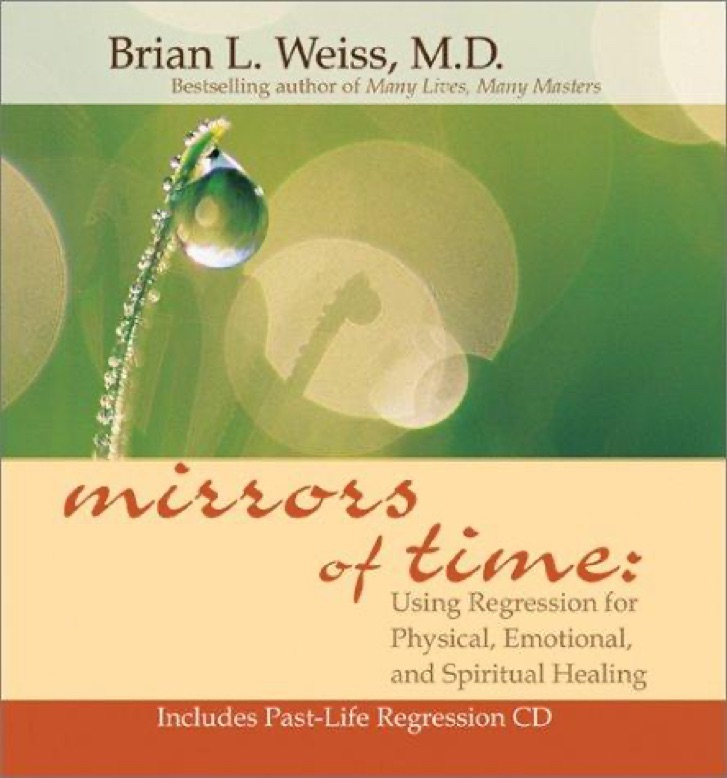
Mirrors of Time: Using Regression for Physical, Emotional, and Spiritual Healing
Applying the lessons from "Mirrors of Time: Using Regression for Physical, Emotional, and Spiritual Healing" by Brian L. Weiss to your life can be a transformative experience that aligns your professional drive with a deep sense of spiritual purpose. Here are some ways you might integrate these lessons:
-
Expanding Your Diagnostic Lens: - In medicine, law, or business, you can adopt a more multi-dimensional approach to problem-solving. By acknowledging that current obstacles may have deep-seated, non-obvious roots, you can move beyond surface-level fixes to address the underlying causes of friction in your organizations or your health.
-
Cultivating Resilience Through Perspective: - As a pilot or entrepreneur facing high-stakes pressure, adopting the view of a continuous, evolving soul helps you maintain the "Stay Humble" mindset. Recognizing the vastness of your journey allows you to navigate temporary setbacks with a calm, long-term perspective, reducing the paralyzing effects of stress and ego.
-
Enhancing Empathy in Leadership: - Viewing colleagues, patients, and clients as beings with complex, multi-layered histories fosters a deeper level of empathy. This understanding can improve your effectiveness as a leader and advocate, allowing you to connect with others on a more profound human level and build more cohesive, mission-driven teams.
-
Utilizing Meditation for Mental Clarity: - Just as you rely on precise instruments in the cockpit or the operating room, you can use Weiss’s regression and relaxation techniques as tools for mental recalibration. Regular practice of deep visualization helps clear the "cognitive clutter" of a busy professional life, leading to sharper focus and more intuitive decision-making.
-
Breaking Cycles of Stagnation: - In your entrepreneurial ventures, identifying repetitive patterns of behavior that lead to burnout or conflict can be the key to your next breakthrough. By examining the subconscious origins of your fears—whether they are fears of failure or success—you can consciously choose to act with greater courage and innovation.
-
Prioritizing Holistic High Performance: - Integrating spiritual inquiry into your lifelong learning habit ensures that your physical and intellectual achievements are supported by emotional health. This balanced approach to well-being prevents the "Stay Hungry" mantra from leading to exhaustion, ensuring that your drive is sustainable and soul-enriching.
By integrating these lessons, you create a life that is not only successful by external measures but is also deeply aligned with your internal values and spiritual evolution.
What the book covers
"Mirrors of Time: Using Regression for Physical, Emotional, and Spiritual Healing" by Brian L. Weiss is a practical guide and manual focused on the therapeutic potential of past-life regression. As a traditionally trained psychiatrist, Weiss utilizes his clinical experience to demonstrate how accessing memories from previous incarnations can alleviate modern-day ailments, phobias, and emotional blockages. The book serves as both a theoretical introduction to the concept of the eternal soul and a workbook featuring specific exercises and meditative scripts designed to facilitate self-healing and spiritual growth.
Summary:
-
The Foundation of Regression Therapy: - Weiss establishes the premise that the human soul is immortal and carries memories across multiple lifetimes. He argues that many of the psychological and physical issues individuals face in the present are actually echoes of unresolved traumas or experiences from the past, which can be accessed through deep relaxation and hypnosis.
-
The Mechanism of Healing through Memory: - The text describes how bringing subconscious memories into conscious awareness acts as a catalyst for catharsis. By identifying the origin of a specific fear or chronic pain in a prior life, the patient is able to release the emotional charge associated with it, leading to rapid and often permanent relief in their current life.
-
Practical Techniques for Self-Regression: - A significant portion of the book is dedicated to providing readers with the tools to perform regression on themselves. Weiss outlines specific visualization techniques, such as imagining a series of mirrors or doors that lead back through time, allowing the reader to bypass the critical ego and access the deeper layers of the psyche.
-
Overcoming the Fear of Death: - Through various case studies and anecdotal evidence, Weiss illustrates how the realization of past lives significantly reduces the fear of death. By viewing life as one of many chapters in a larger spiritual journey, individuals gain a more profound sense of peace and a greater appreciation for the present moment.
-
The Role of Spiritual Guides and Lessons: - The book delves into the concept of "masters" or spiritual guides who provide wisdom between incarnations. Weiss explains that the ultimate purpose of regression is not just to see the past, but to understand the karmic lessons of love, compassion, and forgiveness that are essential for the soul's evolution.
-
Integrating Spirituality with Clinical Science: - Weiss bridges the gap between conventional psychiatry and metaphysical inquiry. He maintains that while traditional medicine is vital, the inclusion of spiritual dimensions provides a more holistic approach to health that addresses the root causes of suffering rather than just the symptoms.
This book remains a seminal work for those interested in the intersection of psychology and spirituality. By providing accessible tools for inner exploration, Weiss empowers readers to take an active role in their own healing process and to view their lives through the lens of eternity.