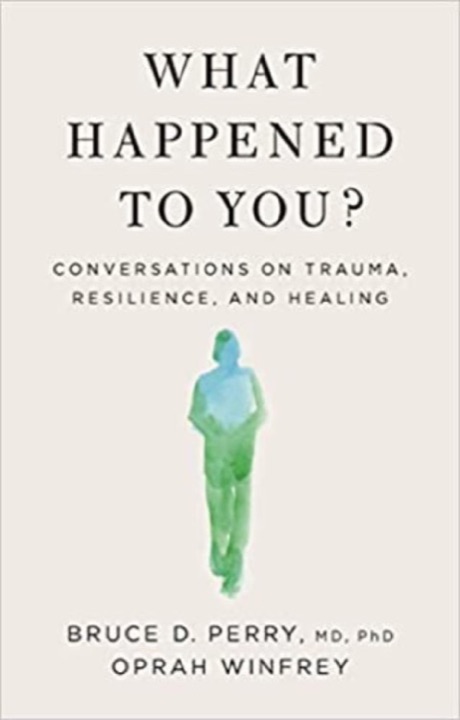
What Happened to You?: Conversations on Trauma, Resilience, and Healing
Applying the lessons from "What Happened to You?: Conversations on Trauma, Resilience, and Healing" to your life can be a meaningful journey, especially considering your rich experiences and personal philosophy. Here are some ways you might integrate the book's insights:
-
Reframe Your Narrative: - Reflect on your past experiences, especially the near-death incidents and your upbringing. Consider how reframing these events from "What's wrong with me?" to "What happened to me?" might offer new perspectives and insights into your resilience and growth.
-
Embrace Neuroplasticity: - Given your interest in lifelong learning and personal growth, explore how the concept of neuroplasticity can support your continuous development. Engage in activities that challenge your brain, such as learning new skills or hobbies, like skydiving or playing the guitar.
-
Strengthen Relationships: - Continue to nurture the strong, supportive relationships you have with your family and friends. Recognize the healing power of these connections and consider how they contribute to your resilience and well-being.
-
Cultivate Resilience: - Reflect on your past challenges and how you've overcome them. Use these experiences to reinforce your belief in your resilience. Consider sharing your stories with others to inspire and support them in their healing journeys.
-
Practice Self-awareness: - Engage in regular self-reflection to understand how your past experiences have shaped your beliefs and behaviors. Use this awareness to identify triggers and develop coping strategies that align with your values of kindness and empathy.
-
Engage in Community Support: - Continue your advocacy work related to domestic abuse and anti-human trafficking. Recognize the importance of community support in healing and consider how you can further contribute to these causes.
-
Live in the Moment: - Work towards your aspiration of living in the moment. Practice mindfulness techniques, such as meditation or deep breathing, to help you stay present and appreciate each experience fully.
-
Embrace Your Strengths and Weaknesses: - Acknowledge your strengths, such as resilience and humor, while also working on your weaknesses, like impulsivity and lack of balance. Use daily evaluations to track your progress and make adjustments as needed.
-
Foster a Growth Mindset: - Maintain your mindset of being in a constant state of beta. Approach each day as an opportunity to learn and grow, embracing both successes and failures as valuable lessons.
-
Advocate for Social Change:
- Continue to be passionate about social issues like equality and civil rights. Use your voice and influence to advocate for positive change, aligning your actions with your ethical beliefs.
By integrating these lessons into your life, you can continue to build on your strengths, foster resilience, and contribute positively to the world around you.
What the book covers
"What Happened to You?: Conversations on Trauma, Resilience, and Healing" is a collaborative work by Oprah Winfrey and Dr. Bruce D. Perry that explores the impact of trauma on individuals and the pathways to healing. The book is structured as a series of conversations between Winfrey and Perry, blending personal anecdotes, scientific insights, and practical advice.
Summary:
-
Understanding Trauma: - The book begins by shifting the question from "What's wrong with you?" to "What happened to you?" This reframing emphasizes understanding an individual's experiences rather than judging their behavior. - Dr. Perry explains the science of trauma, detailing how adverse experiences, especially in childhood, can affect brain development and influence behavior and emotional regulation.
-
The Brain's Response to Trauma: - Perry discusses the brain's hierarchical structure and how trauma impacts its development. He explains that traumatic experiences can lead to a heightened stress response, affecting one's ability to think clearly and manage emotions. - The book delves into the concept of neuroplasticity, highlighting the brain's ability to change and heal over time with the right interventions and support.
-
Personal Stories and Insights: - Oprah shares her own experiences with trauma, including her childhood abuse and the impact it had on her life. These personal stories serve to illustrate the concepts discussed and provide a relatable context for readers. - The conversations also include stories from others who have experienced trauma, showcasing a range of experiences and outcomes.
-
Pathways to Healing: - The authors emphasize the importance of relationships and connection in healing from trauma. Safe, supportive relationships can help individuals regulate their stress response and foster resilience. - They discuss various therapeutic approaches and interventions that can aid in healing, such as mindfulness, therapy, and community support.
-
Building Resilience: - Resilience is presented as the ability to adapt and thrive despite adversity. The book explores factors that contribute to resilience, including supportive relationships, a sense of purpose, and the ability to manage emotions. - The authors stress that resilience can be cultivated at any stage of life, and healing is a lifelong journey.
Key Takeaways and Lessons:
- Reframe the Narrative: Shifting the focus from "What's wrong with you?" to "What happened to you?" encourages empathy and understanding, paving the way for healing.
- The Power of Relationships: Safe, nurturing relationships are crucial for healing from trauma. They provide the support and connection needed to regulate emotions and build resilience.
- Neuroplasticity and Healing: The brain's ability to change means that healing is possible, even after significant trauma. With the right support and interventions, individuals can recover and thrive.
- Importance of Self-awareness: Understanding one's own trauma and its impact is a critical step in the healing process. Self-awareness allows individuals to recognize triggers and develop coping strategies.
- Community and Support Systems: Healing is not a solitary journey. Community support, whether through family, friends, or professional help, plays a vital role in recovery.
- Resilience as a Skill: Resilience is not an innate trait but a skill that can be developed. By fostering supportive relationships, finding meaning, and learning emotional regulation, individuals can enhance their resilience.
Overall, "What Happened to You?" offers a compassionate and insightful exploration of trauma and healing, providing readers with both understanding and hope.