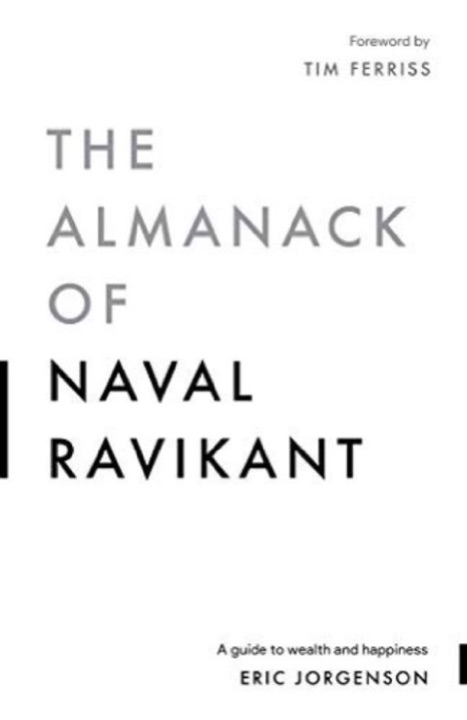
The Almanack of Naval Ravikant: A Guide to Wealth and Happiness
Given your rich life experiences and personal philosophy, here are some ways you might apply the lessons from "The Almanack of Naval Ravikant" to your life:
Wealth
-
Leverage Your Unique Skills: You have a diverse set of skills and experiences, from flying to medicine. Consider how you might leverage these unique skills to create value in new ways, perhaps through mentoring or consulting.
-
Long-term Investments: Given your interest in technology and societal betterment, you might explore long-term investments in tech startups or initiatives that align with your values, such as those focused on equality or health.
-
Compounding Relationships: Continue to invest in your relationships, both personal and professional. Your network can be a source of new opportunities and insights.
Happiness
-
Mindfulness and Living in the Moment: You mentioned wanting to live more in the moment. Incorporating mindfulness practices, such as meditation or mindful breathing, could help you achieve this goal.
-
Reducing Desires: Reflect on areas where you might simplify your life or reduce desires that don't align with your core values of kindness and empathy.
-
Health and Well-being: You already prioritize physical health. Consider exploring new wellness practices or routines that could enhance your mental and emotional well-being.
Life Philosophy
-
Continuous Learning: Your commitment to being a lifelong learner aligns well with Naval's philosophy. Continue to explore new ideas and perspectives, perhaps through reading or engaging with thinkers who challenge your views.
-
Creating Opportunities for Luck: Your resilience and persistence are strengths. Use these qualities to create opportunities for serendipity, whether through networking, exploring new ventures, or taking calculated risks.
-
Simplicity and Focus: Reflect on areas of your life where you can simplify and focus on what truly matters, such as spending quality time with family or pursuing passions like flying and cooking.
Personal Growth
-
Embrace Failures as Lessons: You've already learned valuable lessons from failures. Continue to view setbacks as opportunities for growth and self-improvement.
-
Balance Impulsivity with Reflection: While your impulsivity can be a weakness, it can also lead to spontaneity and creativity. Balance it with moments of reflection to ensure your actions align with your long-term goals.
-
Cultivate Humor and Joy: Your ability to find humor in almost everything is a gift. Use it to bring joy to others and maintain a positive outlook, even in challenging situations.
By integrating these lessons into your life, you can continue to build wealth and happiness while staying true to your values and aspirations.
What the book covers
"The Almanack of Naval Ravikant: A Guide to Wealth and Happiness" by Eric Jorgenson, with a foreword by Tim Ferriss, is a compilation of the wisdom and insights shared by Naval Ravikant, a successful entrepreneur and investor. The book distills Naval's thoughts on wealth, happiness, and life philosophy, drawing from his various interviews, podcasts, and tweets. Here’s a thorough summary of the book along with key takeaways and lessons:
Summary
Introduction
The book begins with an introduction to Naval Ravikant, highlighting his journey from an immigrant to a successful entrepreneur and investor. It sets the stage for understanding his unique perspective on wealth and happiness.
Part 1: Wealth
-
Building Wealth: Naval emphasizes that wealth is about having assets that earn while you sleep. He distinguishes between wealth and money, noting that wealth is the freedom to do what you want, while money is a tool to achieve that freedom.
-
Leverage: Naval discusses different types of leverage—labor, capital, and products with no marginal cost of replication (like code and media). He stresses the importance of using leverage to multiply your efforts and create wealth.
-
Specific Knowledge: He advises acquiring specific knowledge that cannot be easily taught or automated. This often comes from pursuing your genuine interests and passions.
-
Accountability and Ownership: Naval highlights the importance of taking accountability and having ownership in your work. This aligns incentives and leads to better outcomes.
-
Long-term Thinking: Building wealth requires patience and a long-term mindset. Naval encourages investing in long-term relationships and businesses.
-
The Power of Compounding: He underscores the significance of compounding in wealth creation, whether it’s through investments, learning, or relationships.
Part 2: Happiness
-
Happiness is a Choice: Naval argues that happiness is a skill that can be learned and practiced. It’s about accepting the present moment and being content with what you have.
-
Desire and Suffering: He explains that desire is a contract you make with yourself to be unhappy until you get what you want. Reducing desires can lead to greater happiness.
-
Mindfulness and Meditation: Naval advocates for mindfulness and meditation as tools to achieve mental clarity and peace.
-
Self-awareness: Understanding oneself is crucial for happiness. Naval suggests introspection and self-examination to align your actions with your true self.
-
The Importance of Health: Physical health is foundational to happiness. Naval emphasizes regular exercise, a healthy diet, and sufficient sleep.
-
Relationships: He stresses the importance of nurturing relationships with family and friends, as they are key contributors to happiness.
Part 3: Life Philosophy
-
The Meaning of Life: Naval shares his thoughts on the meaning of life, suggesting that it’s about finding your own path and living authentically.
-
Learning and Growth: Continuous learning and personal growth are essential. Naval encourages reading, exploring new ideas, and staying curious.
-
The Role of Luck: While luck plays a role in success, Naval believes in creating opportunities for luck through hard work and persistence.
-
Simplicity: Simplifying life and focusing on what truly matters can lead to greater fulfillment and happiness.
Key Takeaways and Lessons
- Create Wealth, Not Money: Focus on building wealth through assets and leverage, rather than just earning money.
- Pursue Specific Knowledge: Develop unique skills and knowledge that align with your passions.
- Leverage is Key: Use leverage to amplify your efforts and achieve more with less.
- Happiness is a Skill: Practice mindfulness, reduce desires, and focus on the present to cultivate happiness.
- Invest in Relationships: Strong relationships are vital for both wealth and happiness.
- Health is Wealth: Prioritize physical and mental health as they are foundational to a fulfilling life.
- Embrace Simplicity: Simplify your life to focus on what truly matters and achieve greater clarity and peace.
Overall, "The Almanack of Naval Ravikant" offers a comprehensive guide to achieving wealth and happiness by aligning your actions with your values, leveraging your unique strengths, and cultivating a mindset of continuous growth and contentment.