On the Brink
Applying the lessons from "On the Brink" by Henry M. Paulson Jr. to your life can be insightful, especially given your background and experiences. Here are some ways you might integrate these lessons:
-
Decisive Action: - Just as Paulson emphasizes the importance of swift action during a crisis, you can apply this to your own life by continuing to make quick, informed decisions, especially in high-pressure situations like those you've faced in emergency departments or during your flying experiences. Trust your instincts and experience to guide you.
-
Regulatory Reform and Preparedness: - Consider how you can apply the concept of preparedness and reform in your personal and professional life. This might involve regularly evaluating your routines, habits, and systems to ensure they are effective and adapting them as necessary to prevent potential issues.
-
Global Interconnectedness: - Recognize the interconnectedness of your relationships and networks. Just as Paulson coordinated with international leaders, you can leverage your connections and collaborate with others to achieve common goals, whether in your advocacy work or personal endeavors.
-
Communication and Leadership: - Continue to hone your communication skills, ensuring clarity and empathy in your interactions. Your direct and humorous style can be a powerful tool for leadership, helping to build trust and rapport with others.
-
Learning from Mistakes: - Embrace the idea of learning from failures, as you already do. Reflect on past experiences, both positive and negative, to gain insights and improve your approach to future challenges. Your resilience and persistence are key strengths here.
-
Personal Reflection: - Like Paulson's personal reflections during the crisis, take time to reflect on your own experiences and emotions. This can help you maintain balance and perspective, especially when dealing with stress or unexpected events.
-
Advocacy and Social Issues: - Apply the lesson of international cooperation to your advocacy work. Collaborate with others who share your passion for social issues like equality and anti-human trafficking, and work together to create meaningful change.
-
Crisis Management: - Use your calm demeanor and decision-making skills to manage personal or professional crises effectively. Your ability to remain composed under pressure is a valuable asset, much like the leaders who navigated the financial crisis.
By integrating these lessons into your life, you can continue to navigate challenges with resilience and purpose, while also contributing positively to the world around you.
What the book covers
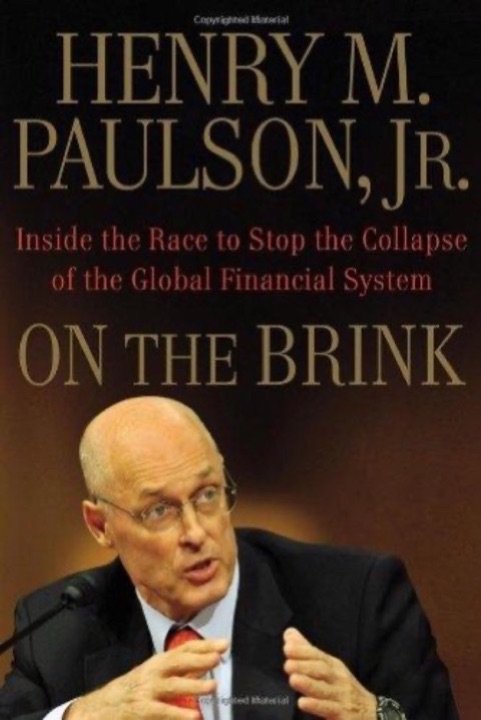
"On the Brink: Inside the Race to Stop the Collapse of the Global Financial System" by Henry M. Paulson Jr. is a firsthand account of the 2008 financial crisis from the perspective of the U.S. Treasury Secretary at the time. The book provides an insider's view of the events leading up to the crisis, the key players involved, and the decisions made to prevent a complete economic collapse.
Summary:
-
Background and Build-Up: - Paulson outlines the economic conditions and regulatory environment that led to the financial crisis. He discusses the housing bubble, the proliferation of subprime mortgages, and the complex financial instruments like mortgage-backed securities and credit default swaps that spread risk throughout the financial system.
-
Key Events and Decisions: - The book details critical moments such as the collapse of Bear Stearns, the bankruptcy of Lehman Brothers, the bailout of AIG, and the controversial decision to let Lehman fail. Paulson describes the intense negotiations and the pressure faced by policymakers as they navigated these unprecedented challenges.
-
Government Response: - Paulson explains the rationale behind the Troubled Asset Relief Program (TARP), which aimed to stabilize the financial system by injecting capital into banks. He discusses the challenges in convincing Congress and the public of the necessity of these measures.
-
International Coordination: - The book highlights the importance of international cooperation during the crisis. Paulson recounts his interactions with global leaders and central bankers to coordinate a worldwide response to stabilize the financial markets.
-
Personal Reflections: - Paulson shares his personal experiences and emotions during the crisis, providing insight into the human side of decision-making in high-pressure situations. He reflects on the toll the crisis took on him personally and professionally.
Key Takeaways and Lessons:
-
Importance of Decisive Action: - The book underscores the necessity of swift and decisive action in the face of financial crises. Delays or indecision can exacerbate problems and lead to more severe consequences.
-
Need for Regulatory Reform: - Paulson emphasizes the need for comprehensive regulatory reform to prevent future crises. He advocates for stronger oversight of financial institutions and more transparency in financial markets.
-
Global Interconnectedness: - The crisis highlighted the interconnected nature of the global financial system. Paulson stresses the importance of international cooperation and coordination in addressing global economic challenges.
-
Communication and Leadership: - Effective communication and leadership are crucial during crises. Paulson reflects on the importance of clear communication with the public and stakeholders to build trust and support for necessary measures.
-
Learning from Mistakes: - Paulson acknowledges the mistakes made during the crisis and the importance of learning from them. He advocates for continuous improvement in financial regulation and crisis management strategies.
Overall, "On the Brink" provides a detailed and personal account of the 2008 financial crisis, offering valuable insights into the complexities of financial markets and the challenges of crisis management.