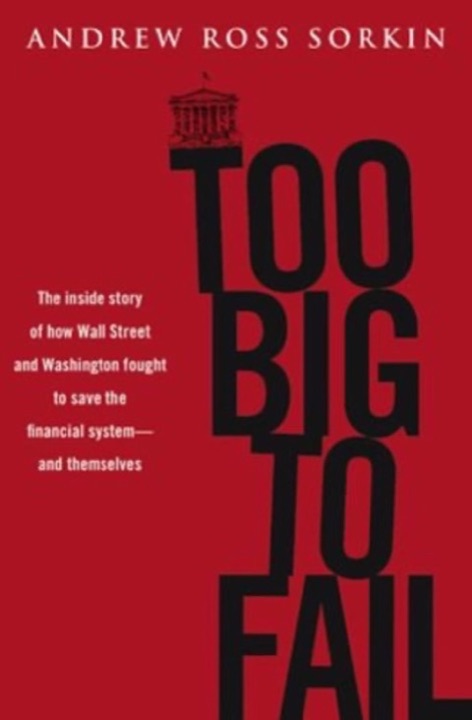
Too Big to Fail
Applying the lessons from "Too Big to Fail" by Andrew Ross Sorkin to your life can provide valuable insights into managing risk, decision-making, and personal growth. Here are some ways you might integrate these lessons:
-
Systemic Awareness: Just as the financial crisis highlighted the interconnectedness of global systems, recognize the interconnectedness in your own life. Whether it's your relationships, career, or personal goals, understand how different aspects influence each other and strive for balance.
-
Regulatory Oversight: In your personal and professional life, establish your own "regulatory" checks and balances. This could mean setting boundaries, creating routines, or seeking feedback to ensure you're not taking on excessive risks or neglecting important areas.
-
Crisis Management: Your experiences with near-death situations have already shown your ability to remain calm under pressure. Continue to apply this skill by preparing for potential crises, whether financial, personal, or professional, and develop strategies to manage them effectively.
-
Moral Hazard: Reflect on the concept of moral hazard and ensure that your actions align with your values of kindness and empathy. Avoid situations where you might rely on external safety nets and instead take responsibility for your actions and their consequences.
-
Transparency and Accountability: Emphasize transparency and accountability in your interactions, whether with family, friends, or colleagues. This aligns with your communication style of being direct and humorous, fostering trust and understanding.
-
Leadership and Decision-Making: Your decision-making process, which involves gathering information, applying analytical rigor, and seeking input, mirrors the leadership qualities highlighted in the book. Continue to refine these skills, especially in high-pressure situations, to make informed and ethical decisions.
-
Resilience and Growth: The financial crisis was a period of learning and adaptation. Similarly, view your personal and professional challenges as opportunities for growth. Embrace failures as valuable lessons, as you have done throughout your life.
-
Ethical Considerations: The book raises questions about ethical responsibilities, which resonate with your passion for social issues like equality and your involvement in activism. Continue to advocate for these causes and integrate ethical considerations into your daily actions and decisions.
By applying these lessons, you can enhance your ability to navigate complex situations, make informed decisions, and continue your journey of personal growth and contribution to society.
What the book covers
"Too Big to Fail" by Andrew Ross Sorkin is a detailed account of the 2008 financial crisis, focusing on the collapse of Lehman Brothers and the subsequent efforts by government and financial institutions to prevent a complete economic meltdown. The book provides an insider's view of the crisis, drawing on interviews, documents, and firsthand accounts to paint a vivid picture of the events and decisions that shaped this critical period in financial history.
Summary:
Background and Build-up:
- Lehman Brothers' Collapse: The book begins with the downfall of Lehman Brothers, a major investment bank, which filed for bankruptcy in September 2008. This event is portrayed as a pivotal moment that intensified the financial crisis.
- Financial Instability: Sorkin explores the factors leading up to the crisis, including risky lending practices, the housing bubble, and the proliferation of complex financial instruments like mortgage-backed securities and credit default swaps.
Key Players:
- Government Officials: The book highlights the roles of key figures such as Treasury Secretary Henry Paulson, Federal Reserve Chairman Ben Bernanke, and New York Federal Reserve President Timothy Geithner. Their decisions and interactions are central to the narrative.
- Wall Street Executives: Sorkin provides insights into the actions and mindsets of top executives from major financial institutions, including Lehman Brothers, Goldman Sachs, Morgan Stanley, and AIG.
Crisis Management:
- Bailouts and Interventions: The book details the government's efforts to stabilize the financial system, including the controversial decision to bail out AIG and the creation of the Troubled Asset Relief Program (TARP).
- Negotiations and Tensions: Sorkin describes the intense negotiations and power struggles between government officials and Wall Street executives, highlighting the complexity and urgency of the situation.
Aftermath and Reflection:
- Impact on the Economy: The book examines the broader economic impact of the crisis, including the recession that followed and the long-term implications for the financial industry and regulatory environment.
- Moral and Ethical Considerations: Sorkin raises questions about the ethical responsibilities of financial institutions and the concept of "too big to fail," where certain companies are deemed so essential to the economy that their failure would be catastrophic.
Key Takeaways and Lessons:
-
Systemic Risk: The crisis underscored the interconnectedness of global financial systems and the potential for systemic risk when large institutions fail.
-
Regulatory Oversight: The events highlighted the need for stronger regulatory oversight and reforms to prevent excessive risk-taking and ensure financial stability.
-
Crisis Management: Effective crisis management requires swift, decisive action and coordination among government agencies and financial institutions.
-
Moral Hazard: The concept of "too big to fail" raises concerns about moral hazard, where companies may take on excessive risks, believing they will be bailed out if they fail.
-
Transparency and Accountability: The crisis revealed the importance of transparency and accountability in financial markets to maintain trust and prevent future crises.
-
Leadership and Decision-Making: The book illustrates the critical role of leadership and decision-making under pressure, as well as the importance of communication and negotiation skills.
"Too Big to Fail" serves as both a historical account and a cautionary tale, offering valuable insights into the complexities of the financial system and the challenges of managing a global economic crisis.