Paris France
Applying the lessons from "Paris France" by Gertrude Stein to your life can be a transformative exercise in understanding how environment and tradition influence personal and professional excellence. Here are some ways you might integrate these lessons:
- Establish a Foundation for Innovation: Just as Stein argued that France's traditions allowed for artistic breakthroughs, you should establish robust systems in your medical practice or business ventures. By automating the routine and respecting proven methodologies, you create the mental and organizational bandwidth necessary for high-stakes creativity and disruptive innovation. - This stability is what allows you to take calculated risks in the venture capital space without compromising the integrity of your core operations.
- Adopt a Long-Term "Soil" Mentality: Use the French connection to the land as a metaphor for long-term investments and professional relationships. Whether you are mentoring a new physician or scaling a healthcare startup, recognize that true growth requires a respect for natural timelines and the "soil" of your industry's fundamental principles. - Avoid the trap of seeking instant results; instead, focus on the health of the environment you are building to ensure sustainable, multi-generational success.
- Prioritize Logic in Decision-Making: Embrace the French commitment to logic when navigating the complexities of law or emergency medicine. In high-pressure environments—whether in the cockpit or the ER—relying on a structured, logical framework prevents emotional fatigue and leads to more consistent, defensible outcomes for your patients and clients. - Train yourself to find the logical path through chaos, treating every obstacle as a puzzle to be solved through clear, deductive reasoning rather than impulse.
- Curate Your Intellectual Environment: Recognize that your environment dictates your output as much as your talent does. Proactively seek out and build communities that value intellectual rigor, surrounding yourself with thinkers who challenge your assumptions and push your boundaries in medicine, law, and business. - Your leadership should involve creating a culture where team members feel the freedom to experiment because they know the underlying mission and values are secure.
- Maintain an Outsider’s Perspective: Use Stein’s perspective as an expatriate to remind yourself of the power of the "outside" view. Regularly step out of your primary domains to gain a fresh perspective on your problems, maintaining the hunger for diverse experiences that define a true lifelong learner. - This global, multidisciplinary mindset is your greatest asset in identifying unique opportunities that others, stuck in a single professional silo, might miss.
By integrating these lessons, you will develop a leadership style that is both deeply rooted in the wisdom of the past and fearlessly oriented toward the future. You will learn to navigate the complexities of modern life with poise, ensuring that your various pursuits are not just successful, but meaningful contributions to the broader culture.
What the book covers
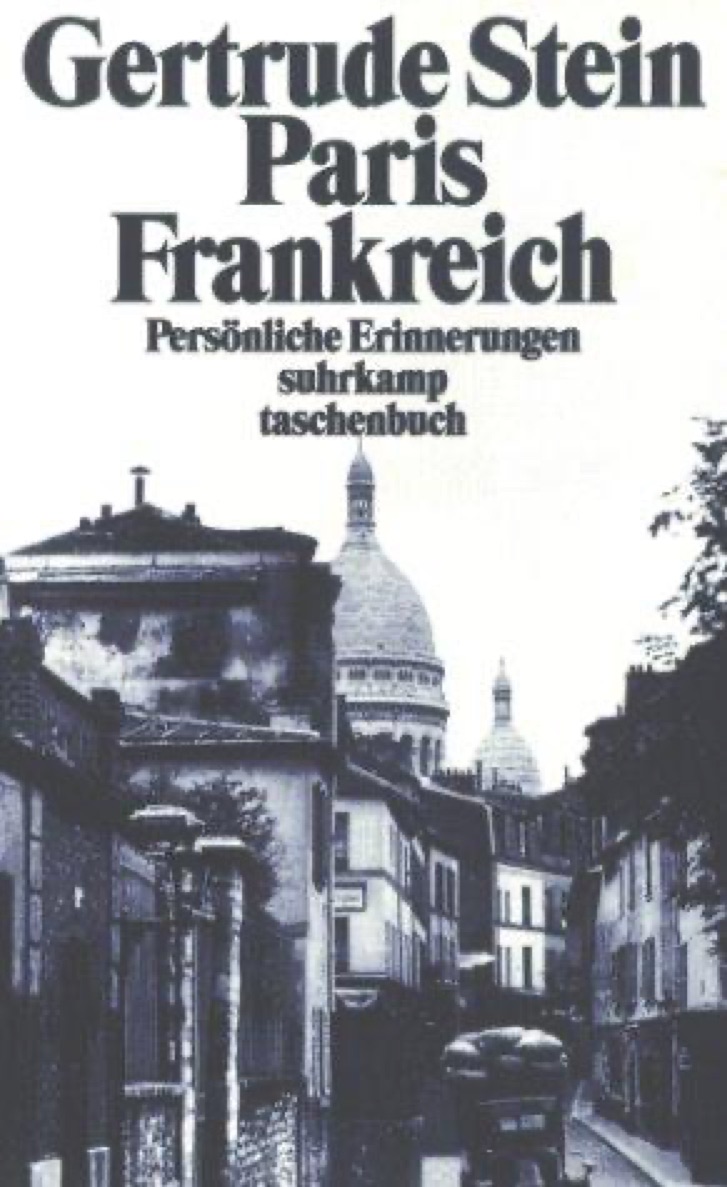
"Paris France" by Gertrude Stein is a personal and philosophical exploration of French culture and its unique role in fostering the modern artistic spirit. Written on the brink of World War II, the book serves as both a memoir of Stein’s experiences and a tribute to the French way of life, which she believed defined the character of the twentieth century. Stein examines the intersection of tradition and progress, arguing that France provided the stable background necessary for the radical experimentation of the modern age.
Summary:
- The Twentieth Century in France: Stein posits that every century has a country that defines its character, and for the twentieth century, that country was France. She argues that because France was so deeply rooted in the nineteenth century's traditions, it provided the perfect, stable foil against which modernism could be defined and explored. - This stability allowed creators like Stein, Picasso, and Hemingway to experiment with new forms of expression without the chaos of a society in total flux.
- The Balance of Tradition and Innovation: A central theme is the French commitment to tradition, which Stein views not as stagnation but as a necessary foundation for clarity. She observes that the French are essentially conservative in their daily lives, which paradoxically allows them to be the most receptive audience for radical art and ideas. - This duality ensures that while the surface of life remains consistent and orderly, the intellectual and creative interior is free to push boundaries and challenge the status quo.
- The Connection to the Soil: Stein emphasizes the deep connection between the French people and their land, suggesting that their character is forged by an agricultural sensibility that values permanence. She describes the French as a people who understand the rhythm of the seasons and the necessity of hard work, which informs their approach to both life and governance. - This connection to the "soil" provides a sense of reality and grounding that Stein finds lacking in more industrialized or rapidly changing nations.
- Childhood and Cultural Identity: Interspersed with cultural analysis are Stein’s own recollections of her childhood in France and her return as an adult. These anecdotes illustrate how the French environment shapes the individual's perception of independence, fashion, and social interaction from a young age. - She highlights the importance of food, family, and local community—as the true engine of their national resilience and identity.
- The Role of Logic in French Life: Stein explores the French reliance on logic, which she sees as a defining trait that separates them from the more emotional or romantic impulses of other cultures. This logic manifests in everything from their legal systems to their culinary choices, creating a society that is predictable yet intellectually vibrant. - She argues that this logical framework allows for a high degree of personal freedom, as long as one operates within the established social and intellectual rules.
- Art and the Avant-Garde: The book discusses how art in France is not a separate, elite pursuit but an integrated part of the common experience. Stein describes the way ordinary citizens engage with aesthetics and ideas, suggesting that the French civilization is built on the shared recognition of beauty and intellectual rigor. - This cultural immersion is what drew the world's greatest thinkers to Paris, making it the epicenter of the avant-garde movement.
- The Resilient Spirit in Times of Crisis: Published in 1940, the book is infused with a poignant awareness of the coming war and the potential destruction of the French way of life. Stein reflects on the resilience of the French spirit, expressing a hope that their deep-rooted civilization will survive the physical and political upheavals of the mid-twentieth century. - Her writing serves as a final, defiant celebration of a culture that she believed was essential to the survival of the modern soul during dark times.
"Paris France" remains a significant work for its ability to distill the essence of a national identity into a series of profound reflections. It stands as a testament to the importance of cultural continuity and the vital role that a supportive environment plays in the flourishing of human creativity and intellect.