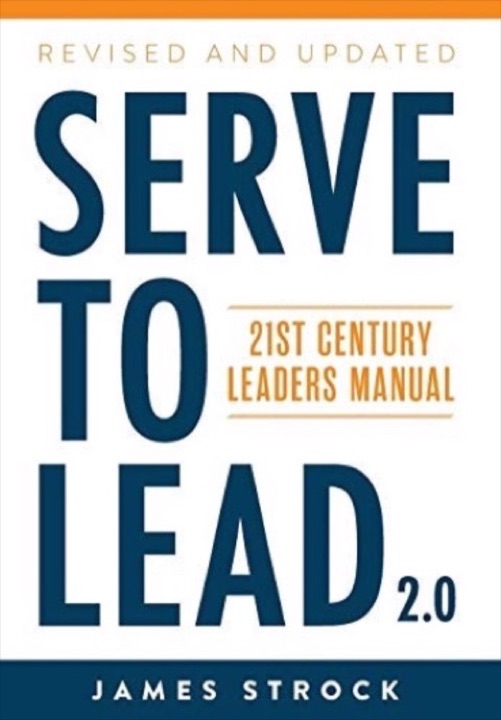
Serve to Lead
Applying the lessons from "Serve to Lead" by James Strock to your life can enhance your leadership approach and personal growth. Here’s how you might integrate these principles:
-
Embrace Service-Oriented Leadership: - Reflect on how you can prioritize the needs of others in your personal and professional life. Given your experiences and values, consider how you can further support and empower those around you, whether it's your family, colleagues, or community.
-
Ask the Four Key Questions: - Regularly ask yourself the four guiding questions from the book: Who are you serving? How can you best serve? Are you making your unique contribution? What are you learning? These questions can help you stay aligned with your values of kindness and empathy.
-
Foster Continuous Learning and Adaptability: - Given your commitment to lifelong learning and personal growth, continue to seek new knowledge and experiences. Embrace change and be open to new ideas, which can help you adapt to the evolving world and enhance your ability to serve others.
-
Empower and Inspire Others: - Use your strengths in resilience, humor, and empathy to empower those around you. Encourage autonomy and creativity in your family and professional circles, fostering an environment where innovation can thrive.
-
Communicate with Clarity and Empathy: - Leverage your direct and humorous communication style to articulate your vision and listen actively to others. This can help build trust and understanding in your relationships.
-
Act with Integrity and Authenticity: - Continue to act with integrity and authenticity, as these qualities build trust and credibility. Your commitment to kindness and ethical behavior aligns with this principle.
-
Cultivate a Compelling Vision and Purpose: - Reflect on your aspirations and how they connect to a larger mission. Whether it's through your work in activism or your personal goals, ensure that your actions are guided by a clear sense of purpose.
-
Leverage Your Unique Experiences: - Your life experiences, including your near-death situations and personal achievements, provide a unique perspective. Use these insights to make a meaningful contribution to the world, aligning with the book's emphasis on making a unique impact.
-
Balance Strengths and Weaknesses: - Continue to evaluate your strengths and weaknesses, striving for balance. Your daily self-reflection can help you improve areas like impulsivity and maintain your resilience and humor.
-
Live in the Moment:
- Work towards your aspiration of living in the moment. This aligns with the book's focus on being present and adaptable, enhancing your ability to serve effectively.
By integrating these principles into your life, you can further develop your leadership skills and make a positive impact on those around you, staying true to your core values and aspirations.
What the book covers
"Serve to Lead: 21st Century Leaders Manual" by James Strock is a comprehensive guide that redefines leadership for the modern era. The book emphasizes the importance of service as the core principle of effective leadership, challenging traditional notions of hierarchical and authoritative leadership models. Here’s a detailed summary of the book along with key takeaways and lessons:
Summary:
Core Premise:
The central thesis of "Serve to Lead" is that leadership in the 21st century is fundamentally about serving others. Strock argues that the most effective leaders are those who prioritize the needs and development of their team, organization, and community over their own personal ambitions.
Structure:
The book is structured around four key questions that leaders should continually ask themselves: 1. Who Are You Serving? 2. How Can You Best Serve? 3. Are You Making Your Unique Contribution? 4. What Are You Learning?
These questions are designed to guide leaders in aligning their actions with the principles of service and continuous improvement.
Key Themes:
-
Service Over Self-Interest: - Leadership is about putting the needs of others first. This involves understanding the aspirations and challenges of those you lead and finding ways to support them effectively.
-
Adaptability and Learning: - In a rapidly changing world, leaders must be adaptable and committed to lifelong learning. This includes being open to new ideas and willing to change course when necessary.
-
Empowerment: - Effective leaders empower others by providing them with the tools, resources, and autonomy they need to succeed. This fosters a culture of trust and innovation.
-
Communication: - Clear and empathetic communication is essential. Leaders must be able to articulate their vision and listen actively to the feedback and concerns of their team.
-
Integrity and Authenticity: - Leaders must act with integrity and authenticity, building trust through consistent and ethical behavior.
-
Vision and Purpose: - A compelling vision and a sense of purpose are crucial for motivating and guiding a team. Leaders should inspire others by connecting their work to a larger mission.
Practical Insights:
- The book includes practical exercises and reflections to help leaders apply the principles of service in their daily lives.
- Strock provides numerous examples from history and contemporary leadership to illustrate how service-oriented leadership can be implemented effectively.
Key Takeaways and Lessons:
-
Leadership is Service: - The essence of leadership is serving others. This mindset shift from authority to service can transform organizations and communities.
-
Continuous Improvement: - Leaders should be committed to personal and professional growth, constantly seeking ways to improve their ability to serve.
-
Empathy and Understanding: - Understanding the needs and perspectives of others is crucial for effective leadership. Empathy allows leaders to connect with and motivate their teams.
-
Empowerment Leads to Innovation: - By empowering team members, leaders create an environment where innovation can thrive. Empowered individuals are more likely to take initiative and contribute creatively.
-
Authenticity Builds Trust: - Authentic leaders who act with integrity build trust and credibility, which are essential for effective leadership.
-
Vision Provides Direction: - A clear and compelling vision helps align the efforts of a team and provides a sense of purpose and direction.
-
Adaptability is Key: - In a world of constant change, adaptability is a critical leadership skill. Leaders must be flexible and open to new approaches.
In conclusion, "Serve to Lead" offers a modern blueprint for leadership that is rooted in service, adaptability, and continuous learning. By focusing on serving others, leaders can create more effective, innovative, and ethical organizations.