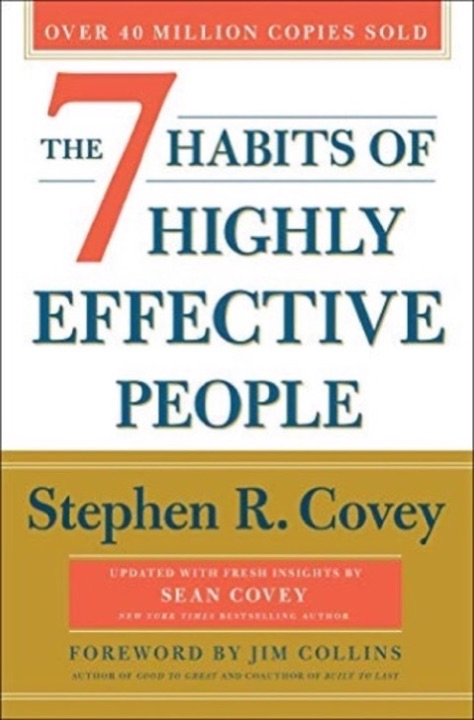
The 7 Habits of Highly Effective People
Applying the lessons from "The 7 Habits of Highly Effective People" by Stephen Covey to your life can enhance your personal and professional effectiveness. Here's how you might integrate each habit into your unique experiences and values:
-
Be Proactive: Given your proactive nature in emergency situations, like the plane crash incident, continue to apply this mindset to other areas of your life. Focus on what you can control, such as your health, relationships, and personal growth. Use your resilience and persistence to navigate challenges and shape your destiny.
-
Begin with the End in Mind: Reflect on your long-term goals and aspirations, such as living in the moment and leveraging technology for societal betterment. Create a personal mission statement that aligns with your core values of kindness and empathy. This will guide your decisions and actions, ensuring they contribute to your ultimate vision.
-
Put First Things First: Prioritize activities that align with your values and goals. For instance, continue to invest time in your family, personal health, and advocacy work. Use Covey's Time Management Matrix to focus on important but not urgent tasks, like spending quality time with loved ones and pursuing your passion for flying.
-
Think Win-Win: In your interactions, especially in advocacy and activism, strive for solutions that benefit all parties involved. Cultivate an abundance mentality, believing that there is enough success and happiness for everyone. This mindset will strengthen your relationships and collaborations.
-
Seek First to Understand, Then to Be Understood: Practice empathetic listening in your personal and professional relationships. Given your direct communication style, ensure you take the time to understand others' perspectives before sharing your own. This will build trust and enhance your ability to resolve conflicts effectively.
-
Synergize: Embrace diversity and collaboration in your advocacy work and personal life. Value different perspectives and strengths, and work together to achieve innovative solutions. Your experiences in emergency situations demonstrate the power of teamwork and creative cooperation.
-
Sharpen the Saw: Regularly invest in self-renewal across physical, mental, emotional, and spiritual dimensions. Your daily routine already includes physical exercise and mental stimulation. Consider incorporating activities that nurture your emotional and spiritual well-being, such as meditation or spending time in nature.
By integrating these habits into your life, you can enhance your effectiveness and continue to make a positive impact on those around you. Your commitment to kindness, empathy, and lifelong learning aligns well with Covey's principles, providing a strong foundation for personal and professional growth.
What the book covers
"The 7 Habits of Highly Effective People" by Stephen Covey is a seminal self-help book that has influenced millions of readers worldwide. It presents a principle-centered approach for solving personal and professional problems. Covey's framework is built around seven habits that are designed to help individuals achieve personal and interpersonal effectiveness. Here's a thorough summary of the book, along with key takeaways and lessons:
Summary:
Habit 1: Be Proactive
- Concept: Proactivity is about taking responsibility for your life. Covey emphasizes that our behavior is a function of our decisions, not our conditions. Proactive people focus on things they can control and influence, rather than reacting to external circumstances.
- Key Idea: The "Circle of Influence" vs. the "Circle of Concern." Proactive people focus their efforts on their Circle of Influence, which leads to expansion of influence over time.
Habit 2: Begin with the End in Mind
- Concept: This habit is about envisioning what you want in the future so you can work and plan towards it. It involves setting clear goals and creating a personal mission statement.
- Key Idea: All things are created twice; there is a mental (first) creation, and a physical (second) creation. By defining your vision and values, you can make decisions that align with your ultimate goals.
Habit 3: Put First Things First
- Concept: This habit is about prioritizing and managing your time effectively. Covey introduces the Time Management Matrix, which categorizes tasks based on urgency and importance.
- Key Idea: Focus on Quadrant II activities (important but not urgent) to achieve long-term success and prevent crises.
Habit 4: Think Win-Win
- Concept: Win-Win is a mindset that seeks mutual benefit in all human interactions. It’s about finding solutions that satisfy all parties involved.
- Key Idea: Cultivate an abundance mentality, which is the belief that there is plenty for everyone, and avoid zero-sum thinking.
Habit 5: Seek First to Understand, Then to Be Understood
- Concept: Effective communication is crucial for success. Covey emphasizes empathetic listening to genuinely understand another person's perspective before expressing your own.
- Key Idea: Practice empathetic listening to build trust and respect in relationships, which leads to more effective problem-solving.
Habit 6: Synergize
- Concept: Synergy is the idea that the whole is greater than the sum of its parts. It involves creative cooperation and teamwork.
- Key Idea: Value differences and build on strengths to achieve innovative solutions that are better than individual efforts.
Habit 7: Sharpen the Saw
- Concept: This habit is about self-renewal and continuous improvement. It involves taking care of your physical, mental, emotional, and spiritual well-being.
- Key Idea: Regularly renew and strengthen yourself in four areas: physical, social/emotional, mental, and spiritual, to maintain and increase effectiveness.
Key Takeaways and Lessons:
-
Personal Responsibility: You have the power to choose your response to any situation. By being proactive, you can shape your destiny.
-
Vision and Purpose: Clearly define your personal mission and goals. This clarity will guide your decisions and actions.
-
Effective Time Management: Prioritize tasks that align with your long-term goals. Avoid getting caught up in urgent but unimportant activities.
-
Mutual Benefit: Adopt a win-win mindset in interactions. Seek solutions that benefit all parties to build strong, lasting relationships.
-
Empathetic Communication: Listen to understand, not just to reply. This builds trust and opens the door to effective communication.
-
Collaboration and Teamwork: Embrace diversity and work collaboratively to achieve outcomes that are greater than individual efforts.
-
Continuous Renewal: Regularly invest in self-care and personal growth to maintain and enhance your effectiveness.
Covey's book emphasizes that true effectiveness comes from aligning personal values with universal principles, fostering a balanced approach to life that integrates personal and professional development.