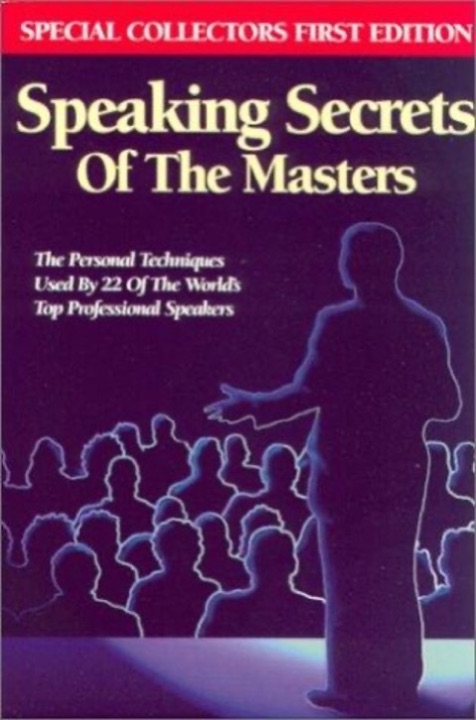
Speaking Secrets of the Masters: The Personal Techniques Used by 22 of the World's Top Professional Speakers
Based on the themes and lessons from "Speaking Secrets of the Masters," here are some ways you might apply these insights to your life:
-
Preparation and Practice: Given your experiences and interests, you could apply this lesson by preparing thoroughly for any public speaking opportunities, whether it's sharing your life stories, advocating for social issues, or speaking at professional events. Your diverse experiences provide rich material for engaging talks.
-
Understanding the Audience: Tailor your message to resonate with different audiences. Whether you're speaking to medical professionals, activists, or a general audience, understanding their interests and perspectives can help you connect more effectively.
-
Storytelling: Your life is full of compelling stories, from near-death experiences to personal growth moments. Use these stories to illustrate your points and make your speeches more relatable and memorable.
-
Body Language and Voice Modulation: Practice using body language and vocal variety to enhance your delivery. Your humorous and casual communication style can be a strength in engaging audiences.
-
Overcoming Fear and Building Confidence: While you seem confident, if you ever feel nervous about public speaking, consider using visualization techniques or breathing exercises to manage anxiety.
-
Authenticity and Passion: Your authenticity and passion for your beliefs and values are evident. Let these qualities shine through in your speeches to build trust and rapport with your audience.
-
Feedback and Continuous Improvement: Seek feedback from trusted friends or colleagues after speaking engagements. Use this feedback to refine your skills and continue growing as a speaker.
By integrating these lessons into your life, you can enhance your public speaking abilities and effectively share your unique perspectives and experiences with others. Whether advocating for social issues, sharing personal anecdotes, or inspiring others with your resilience and optimism, these skills can help you make a meaningful impact.
What the book covers
"Speaking Secrets of the Masters" is a book that delves into the art of public speaking, offering insights and techniques from some of the most accomplished speakers in various fields. While I don't have access to the full text of the book, I can provide a general overview based on common themes and lessons typically found in literature about mastering public speaking.
Summary
The book is likely structured around interviews, anecdotes, and analyses of speeches by renowned speakers. It explores the strategies and mindsets that have helped these individuals captivate audiences and deliver impactful messages. The content is probably divided into sections that cover different aspects of public speaking, such as preparation, delivery, audience engagement, and overcoming fear.
Key Themes
-
Preparation and Practice: Emphasizes the importance of thorough preparation and consistent practice. Many masters of public speaking spend significant time researching their topics and rehearsing their speeches to ensure clarity and confidence.
-
Understanding the Audience: Highlights the necessity of knowing your audience to tailor your message effectively. Successful speakers often adjust their language, tone, and content based on the demographics and interests of their listeners.
-
Storytelling: Discusses the power of storytelling as a tool to engage and connect with the audience. Personal stories or anecdotes can make speeches more relatable and memorable.
-
Body Language and Voice Modulation: Explores how non-verbal cues and vocal variety can enhance a speech. Effective speakers use gestures, facial expressions, and changes in pitch and pace to emphasize points and maintain interest.
-
Overcoming Fear and Building Confidence: Offers strategies for managing public speaking anxiety, such as visualization techniques, breathing exercises, and positive self-talk.
-
Authenticity and Passion: Encourages speakers to be genuine and passionate about their topics. Authenticity helps build trust and rapport with the audience.
-
Feedback and Continuous Improvement: Stresses the importance of seeking feedback and continuously refining speaking skills. Even experienced speakers benefit from constructive criticism and learning from each speaking engagement.
Key Takeaways and Lessons
- Preparation is Key: Invest time in researching and rehearsing to deliver a well-structured and confident presentation.
- Know Your Audience: Tailor your message to resonate with your listeners, considering their interests and level of understanding.
- Harness the Power of Stories: Use storytelling to make your message more engaging and memorable.
- Master Non-Verbal Communication: Pay attention to body language and voice modulation to enhance your delivery.
- Build Confidence: Practice techniques to manage anxiety and project confidence, even if you feel nervous.
- Be Authentic: Speak from the heart and let your passion for the subject shine through.
- Embrace Feedback: Use feedback as a tool for growth and continually seek opportunities to improve your speaking skills.
Overall, "Speaking Secrets of the Masters" likely serves as a comprehensive guide for anyone looking to improve their public speaking abilities, offering practical advice and inspiration from those who have mastered the craft.