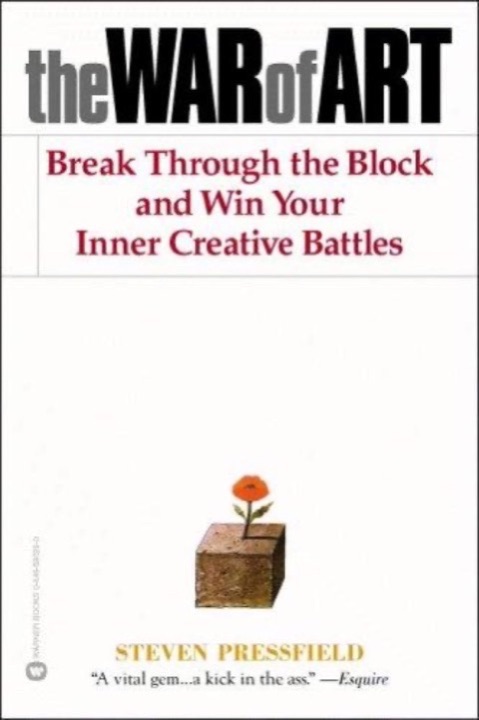
The War of Art
Applying the lessons from "The War of Art" by Steven Pressfield to your life can help you navigate your creative and personal endeavors with greater focus and resilience. Here’s how you might integrate these lessons:
-
Recognize Resistance: Given your experiences and aspirations, such as wanting to try skydiving or living more in the moment, identify any internal Resistance that might be holding you back. Acknowledge procrastination, fear, or self-doubt as natural parts of the process and work to overcome them.
-
Commit to Your Craft: Whether it's your professional work, hobbies like flying and cooking, or personal goals like living to 130, approach these with the dedication of a professional. Establish routines that prioritize these activities and treat them with the seriousness they deserve.
-
Embrace Discipline: Your daily routine already reflects a high level of discipline. Continue to refine this by setting specific goals for your creative and personal pursuits, ensuring you consistently show up and put in the effort, even when motivation wanes.
-
Work Through Fear: Your past experiences, such as surviving plane crashes, demonstrate resilience. Apply this same courage to areas where fear might be holding you back, like trying new activities or pursuing unfulfilled dreams.
-
Seek Inspiration: Create an environment that fosters creativity and inspiration. This could involve setting aside time for reflection, engaging with nature, or surrounding yourself with people and activities that stimulate your creative impulses.
-
View Creativity as a Calling: Align your actions with your core values of kindness and empathy. Whether through your work in medicine, advocacy, or personal relationships, view your contributions as part of a larger purpose, enhancing your sense of fulfillment and impact.
By integrating these principles, you can enhance your ability to overcome obstacles, pursue your passions with vigor, and continue growing both personally and creatively.
What the book covers
"The War of Art: Break Through the Blocks and Win Your Inner Creative Battles" by Steven Pressfield is a motivational book that addresses the challenges and obstacles faced by creative individuals. It is structured into three main sections, each focusing on different aspects of overcoming resistance and achieving creative success.
Summary:
Book Structure:
-
Book One: Resistance – Defining the Enemy - Concept of Resistance: Pressfield introduces the concept of "Resistance" as the invisible force that prevents individuals from pursuing their creative endeavors. Resistance is described as a universal and relentless force that manifests as procrastination, self-doubt, fear, and rationalization. - Characteristics of Resistance: Resistance is insidious, internal, and impersonal. It is the enemy within that must be recognized and battled daily. Pressfield emphasizes that Resistance is strongest at the finish line, just before a project is completed. - Forms of Resistance: The book outlines various forms Resistance can take, including distractions, perfectionism, and the fear of failure or success.
-
Book Two: Combating Resistance – Turning Pro - Turning Pro: Pressfield introduces the concept of "Turning Pro," which involves adopting a professional mindset towards creative work. Unlike amateurs, professionals show up every day, regardless of mood or circumstances, and commit to their craft. - Habits of Professionals: Professionals prioritize their work, seek order, and embrace criticism. They understand that fear and Resistance never fully disappear, but they learn to work in spite of them. - Overcoming Self-Doubt: The book emphasizes the importance of perseverance and discipline. Pressfield encourages readers to embrace their creative calling and to view their work as a vocation rather than a hobby.
-
Book Three: Beyond Resistance – The Higher Realm - Creative Inspiration: Pressfield explores the idea that creative inspiration comes from a higher realm, often referred to as the Muse. He suggests that by committing to their work, artists can tap into this source of inspiration. - Role of the Muse: The Muse is seen as a divine force that rewards dedication and hard work. Pressfield encourages readers to respect their creative impulses and to create a routine that invites the Muse to visit. - Spiritual Aspect of Creativity: The book concludes with a discussion on the spiritual dimension of creativity, urging readers to view their work as a contribution to the world and a fulfillment of their personal destiny.
Key Takeaways and Lessons:
-
Recognize Resistance: Understand that Resistance is a natural part of the creative process. Identifying its presence is the first step in overcoming it.
-
Commit to Your Craft: Treat your creative work with the seriousness and dedication of a professional. Show up consistently and prioritize your art.
-
Embrace Discipline: Develop a routine and stick to it. Discipline is crucial in overcoming Resistance and achieving creative success.
-
Work Through Fear: Accept that fear and self-doubt are part of the journey. Learn to work despite these feelings rather than waiting for them to disappear.
-
Seek Inspiration: Create an environment that encourages inspiration. Respect your creative impulses and be open to the influence of the Muse.
-
View Creativity as a Calling: Approach your work with a sense of purpose and contribution. Understand that your creative efforts have value and significance beyond personal gain.
"The War of Art" serves as both a practical guide and a philosophical exploration of the creative process, encouraging readers to confront their inner barriers and pursue their artistic goals with courage and determination.