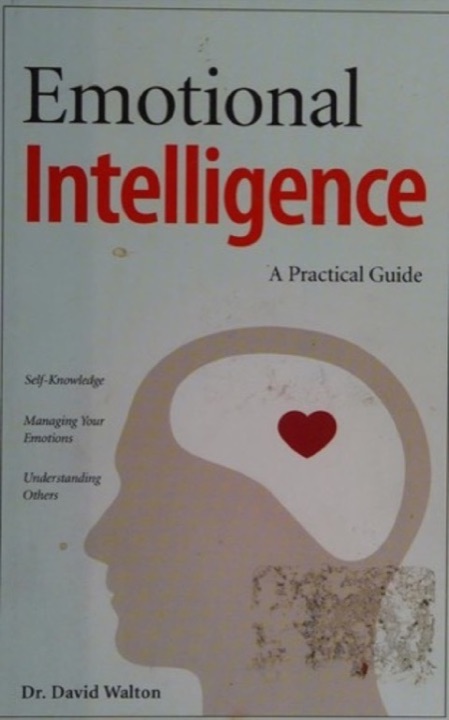
Emotional Intelligence
Applying the lessons from "Emotional Intelligence" by David Walton to your life can enhance your personal growth, relationships, and overall well-being. Here are some tailored suggestions based on your detailed life story:
-
Self-Awareness: - Reflect on your experiences, such as the plane crashes and your career in medicine, to deepen your understanding of how these events shape your emotions and decisions. - Regularly assess your emotional responses, especially in high-stress situations, to better understand your triggers and strengths.
-
Self-Regulation: - Use mindfulness techniques to manage impulsivity and maintain your calm demeanor, especially in emergency situations. - Practice stress management strategies, like your daily exercise routine, to maintain emotional balance.
-
Motivation: - Align your intrinsic motivation with your core values of kindness and empathy. Set personal goals that reflect these values, such as your advocacy work and desire to live in the moment. - Continue to pursue activities that bring you joy, like flying and spending time with family, to sustain your motivation.
-
Empathy: - Enhance your empathy by actively listening to others, especially in your professional role as a physician and in your advocacy work. - Use your understanding of others' battles to foster deeper connections and support those around you.
-
Social Skills: - Leverage your direct and humorous communication style to build rapport and resolve conflicts effectively. - Continue to nurture your relationships by being present and loyal, as you value in friendships.
-
Continuous Learning: - Embrace your mindset of being in a constant state of beta by seeking new experiences and knowledge, such as your interest in skydiving and technological advancements. - Reflect on your daily wins and losses to identify areas for growth and improvement.
-
Handling Criticism: - Apply your approach of listening quietly and asking questions to gain insights from feedback, using it as an opportunity for personal development.
-
Living in the Moment: - Practice mindfulness and gratitude to enhance your ability to live in the moment, appreciating the present and the people around you.
By integrating these aspects of emotional intelligence into your life, you can continue to grow personally and professionally, strengthen your relationships, and maintain your well-being.
What the book covers
"Emotional Intelligence" by David Walton is a comprehensive guide that explores the concept of emotional intelligence (EI) and its impact on personal and professional life. The book delves into the components of emotional intelligence, offering insights and practical advice on how to enhance one's EI for better relationships, improved decision-making, and overall well-being.
Summary:
-
Understanding Emotional Intelligence: - Emotional intelligence is defined as the ability to recognize, understand, and manage our own emotions, as well as the ability to recognize, understand, and influence the emotions of others. - The book breaks down EI into key components: self-awareness, self-regulation, motivation, empathy, and social skills.
-
Self-Awareness: - Self-awareness involves understanding one's emotions, strengths, weaknesses, values, and motives. - The book emphasizes the importance of being in tune with your emotions and how they affect your thoughts and behavior.
-
Self-Regulation: - This component focuses on managing one's emotions and impulses. - Techniques for self-regulation include mindfulness, stress management, and maintaining a positive outlook.
-
Motivation: - Emotional intelligence involves intrinsic motivation, which is driven by personal values and goals rather than external rewards. - The book discusses how to cultivate motivation by setting meaningful goals and maintaining a positive attitude.
-
Empathy: - Empathy is the ability to understand and share the feelings of others. - The book highlights the importance of active listening and perspective-taking to enhance empathy.
-
Social Skills: - Effective communication and relationship management are crucial components of EI. - The book provides strategies for improving social skills, such as conflict resolution, teamwork, and leadership.
Key Takeaways and Lessons:
- Self-Reflection: Regular self-reflection is essential for developing self-awareness and understanding how emotions influence behavior.
- Mindfulness Practices: Incorporating mindfulness practices can help in managing emotions and reducing stress.
- Goal Setting: Setting clear, personal goals can enhance motivation and provide direction.
- Active Listening: Practicing active listening can improve empathy and strengthen relationships.
- Continuous Learning: Emotional intelligence is a skill that can be developed and improved over time through continuous learning and practice.
Overall, David Walton's "Emotional Intelligence" provides a practical framework for understanding and enhancing emotional intelligence, offering valuable insights for personal growth and improved interpersonal relationships.