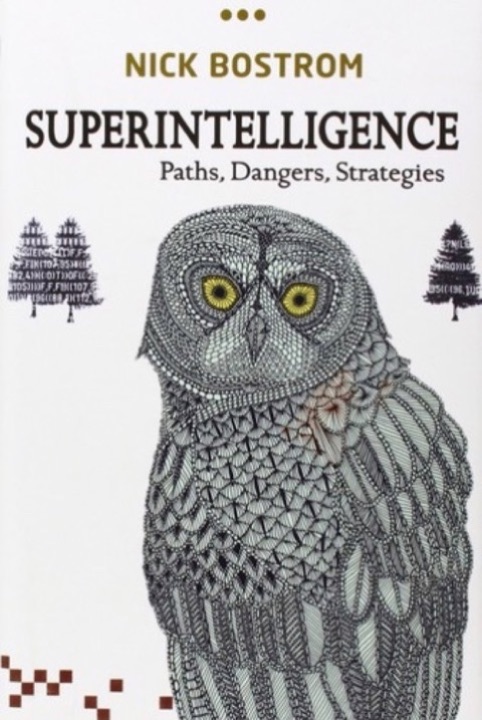
Superintelligence: Paths, Dangers, Strategies
Applying the lessons from Nick Bostrom's "Superintelligence: Paths, Dangers, Strategies" to your life involves integrating the book's insights into your personal and professional endeavors. Here are some ways you might do this:
-
Existential Risk Awareness: Given your background in emergency medicine and your experiences with near-death situations, you already have a heightened awareness of existential risks. You can extend this awareness to the potential risks posed by superintelligent AI by staying informed about developments in AI technology and advocating for responsible AI practices in your professional circles.
-
Value Alignment: Your core values of kindness and empathy align well with the book's emphasis on ensuring AI systems reflect human values. You can support initiatives or engage in discussions that promote ethical AI development, ensuring that technology serves humanity positively.
-
Proactive Safety Measures: Just as you prioritize safety in your medical practice and personal life (e.g., flying), you can advocate for AI safety research. This might involve supporting organizations or policies that focus on developing robust safety measures for AI systems.
-
Global Cooperation: Your belief in equality and social justice can extend to advocating for international cooperation in AI development. You might engage in or support global discussions and collaborations that aim to manage AI's impact on society.
-
Ethical Responsibility: Your ethical beliefs guide your actions, and you can apply this to AI by promoting ethical considerations in technology development. This could involve participating in forums, writing articles, or speaking out on the importance of ethical AI.
-
Long-term Thinking: Your aspiration to live to 130 and your focus on leaving the world a better place align with the book's call for long-term thinking. You can incorporate this mindset by considering the long-term implications of AI in your personal and professional decisions.
-
Lifelong Learning: As a lifelong learner, you can continue to educate yourself about AI and its potential impacts. This might involve reading more about AI, attending conferences, or engaging with experts in the field.
-
Advocacy and Activism: Given your involvement in social issues, you can extend your advocacy to include AI ethics and safety. This could involve supporting policies or organizations that focus on these areas.
By integrating these lessons into your life, you can contribute to a future where AI is developed and used responsibly, aligning with your values and aspirations for a better world.
What the book covers
"Superintelligence: Paths, Dangers, Strategies" by Nick Bostrom is a seminal work that explores the potential future of artificial intelligence (AI) and the profound implications it could have for humanity. Bostrom, a philosopher at the University of Oxford, delves into the concept of superintelligence, which he defines as any intellect that greatly surpasses the cognitive performance of humans in virtually all domains of interest.
Summary
Paths to Superintelligence
Bostrom outlines several potential paths to achieving superintelligence, including: - Artificial Intelligence: Developing machines that can perform any intellectual task that a human can. - Whole Brain Emulation: Scanning and emulating a human brain in a computer. - Biological Cognition: Enhancing human intelligence through biological means. - Networks and Organizations: Creating superintelligent systems through the collective intelligence of large groups or networks.
Dangers of Superintelligence
Bostrom emphasizes the existential risks associated with superintelligent AI: - Control Problem: Once a superintelligent AI is created, it may be difficult or impossible to control. If its goals are not aligned with human values, it could lead to catastrophic outcomes. - Value Alignment: Ensuring that a superintelligent AI's goals are aligned with human values is a complex challenge. Misalignment could result in unintended consequences. - Strategic Advantage: The first entity to achieve superintelligence could gain a decisive strategic advantage, potentially leading to global dominance or conflict.
Strategies for Managing Superintelligence
Bostrom proposes several strategies to mitigate the risks: - AI Safety Research: Investing in research to ensure that AI systems are safe and aligned with human values. - Global Coordination: Encouraging international cooperation to manage the development and deployment of superintelligent AI. - Controlled Development: Developing AI in a controlled and transparent manner to prevent arms races and ensure safety measures are in place. - Ethical Considerations: Incorporating ethical considerations into AI development to ensure that the technology benefits all of humanity.
Key Takeaways and Lessons
-
Existential Risk Awareness: Understanding the potential existential risks posed by superintelligent AI is crucial. Bostrom stresses the importance of taking these risks seriously and preparing accordingly.
-
Importance of Value Alignment: Ensuring that AI systems are aligned with human values is a fundamental challenge. This requires interdisciplinary research and collaboration.
-
Proactive Safety Measures: Investing in AI safety research and developing robust safety measures are essential to prevent unintended consequences.
-
Global Cooperation: The development of superintelligent AI is a global issue that requires international cooperation and coordination to manage effectively.
-
Ethical Responsibility: Developers and policymakers have an ethical responsibility to ensure that AI technologies are developed and used for the benefit of all humanity.
-
Long-term Thinking: Bostrom encourages long-term thinking and planning to address the challenges and opportunities presented by superintelligent AI.
In conclusion, "Superintelligence: Paths, Dangers, Strategies" serves as a comprehensive guide to understanding the potential future of AI and the critical importance of managing its development responsibly. Bostrom's work is a call to action for researchers, policymakers, and society to engage with the ethical and strategic challenges posed by superintelligent AI.