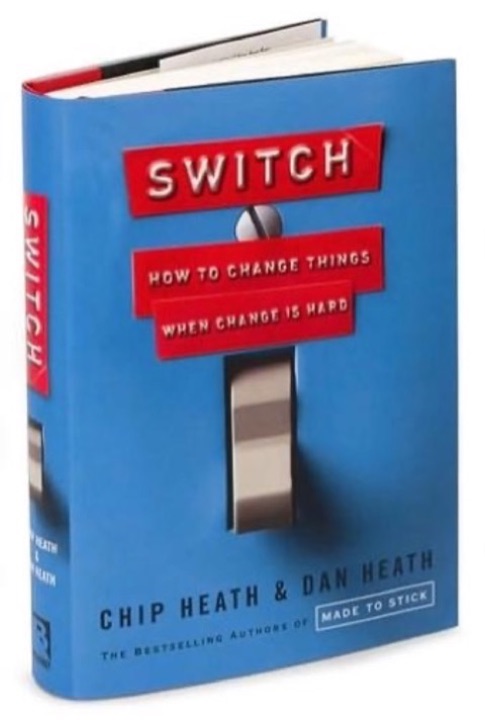
Switch: How to Change Things When Change Is Hard
Applying the lessons from "Switch: How to Change Things When Change Is Hard" to your life involves leveraging the "Rider, Elephant, and Path" model to facilitate personal growth and change. Here's how you might do this:
Direct the Rider
-
Find the Bright Spots: Reflect on the successes in your life, such as your achievements in medicine and your role as a parent. Identify what worked well in these areas and consider how you can apply those strategies to other aspects of your life, like your aspiration to live in the moment or try skydiving.
-
Script the Critical Moves: Break down your goals into specific, actionable steps. For example, if you want to try skydiving, research local skydiving schools, schedule a session, and prepare mentally and physically for the experience.
-
Point to the Destination: Create a compelling vision of your future self. Imagine the fulfillment of living in the moment or achieving a new personal milestone, and use this vision to motivate your actions.
Motivate the Elephant
-
Find the Feeling: Tap into the emotions that drive you. Your love for your family and your passion for equality and kindness can be powerful motivators. Use these feelings to propel you toward your goals.
-
Shrink the Change: Break down larger aspirations, like living to 130 with a healthy mind and body, into smaller, manageable steps. Focus on daily habits that contribute to longevity and well-being.
-
Grow Your People: Embrace a growth mindset by continuously learning and adapting. Your commitment to being a lifelong learner aligns with this concept, so continue seeking new knowledge and experiences.
Shape the Path
-
Tweak the Environment: Modify your surroundings to support your goals. For instance, if you want to focus more on living in the moment, create a space free from distractions where you can practice mindfulness or meditation.
-
Build Habits: Establish routines that align with your values and aspirations. Your daily routine already includes exercise and self-reflection, which are excellent habits to maintain.
-
Rally the Herd: Surround yourself with supportive individuals who share your values and aspirations. Engage with communities or groups that encourage personal growth and positive change.
Additional Applications
-
Balance Rational and Emotional Appeals: When making decisions, consider both the logical and emotional aspects. This balance can help you navigate complex situations, such as those involving ethical dilemmas in your medical practice.
-
Focus on Small Wins: Celebrate incremental progress in your personal and professional life. Recognize the value of small achievements, like spending quality time with your grandchild or learning a new skill.
-
Harness Social Influence: Use your influence to advocate for social issues you are passionate about, such as equality and anti-human trafficking. Inspire others by demonstrating your commitment to these causes.
By applying these principles, you can effectively navigate change in your life, whether it's pursuing new experiences, fostering personal growth, or advocating for social change.
What the book covers
"Switch: How to Change Things When Change Is Hard" by Chip Heath and Dan Heath is a compelling exploration of the psychology behind change and how to effectively implement it in various aspects of life, whether personal, organizational, or societal. The authors use a blend of research, case studies, and engaging storytelling to present their ideas, making the book both informative and accessible.
Summary:
The central metaphor of the book is the "Rider, Elephant, and Path" model, which represents the three key components involved in change:
-
The Rider: This symbolizes the rational side of our brain. The Rider is analytical and likes to plan and think things through. However, the Rider can also overanalyze and get stuck in "paralysis by analysis."
-
The Elephant: This represents the emotional side. The Elephant is powerful and provides the energy and drive needed for change. However, it can be unpredictable and resistant to change if not properly motivated.
-
The Path: This is the environment or situation in which change occurs. Shaping the Path involves making the journey easier by removing obstacles and creating a clear route for the Rider and Elephant to follow.
Key Concepts:
-
Direct the Rider: - Find the Bright Spots: Identify what is working and replicate it. Instead of focusing on problems, look for solutions that are already in place. - Script the Critical Moves: Provide clear, specific guidance on what needs to be done. Ambiguity can lead to inaction. - Point to the Destination: Create a compelling vision of the future to motivate the Rider.
-
Motivate the Elephant: - Find the Feeling: Appeal to emotions to get the Elephant moving. Rational arguments alone are often insufficient. - Shrink the Change: Break down the change into smaller, manageable steps to prevent the Elephant from feeling overwhelmed. - Grow Your People: Cultivate a sense of identity and instill a growth mindset to empower people to embrace change.
-
Shape the Path: - Tweak the Environment: Modify the surroundings to make the desired change easier to achieve. - Build Habits: Encourage the formation of habits that support the change, making it more sustainable. - Rally the Herd: Leverage social influence by showing that others are already embracing the change.
Key Takeaways and Lessons:
-
Balance Rational and Emotional Appeals: Successful change requires addressing both the logical and emotional aspects of individuals. Ignoring either can lead to failure.
-
Focus on Small Wins: Incremental progress can build momentum and confidence, making larger changes more achievable.
-
Environment Matters: Often, altering the environment can be more effective than trying to change people’s behavior directly.
-
Clarity is Crucial: Ambiguity can paralyze action. Clear, specific instructions and goals help guide the Rider and motivate the Elephant.
-
Harness Social Influence: People are influenced by the behaviors and norms of those around them. Demonstrating widespread adoption can encourage others to follow suit.
-
Persistence is Key: Change is often a slow process that requires persistence and resilience. Setbacks are normal, and learning from them is essential.
Overall, "Switch" provides a practical framework for understanding and implementing change by addressing the psychological and environmental factors that influence behavior. The book is a valuable resource for anyone looking to make lasting changes in their personal life, work, or community.