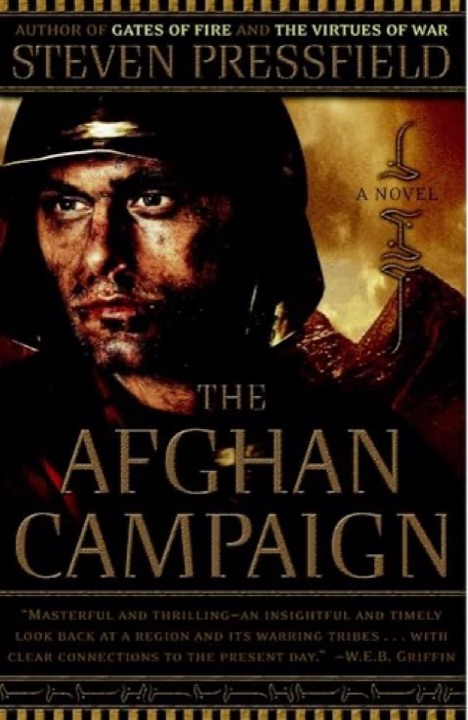
The Afghan Campaign
Applying the lessons from "The Afghan Campaign" by Steven Pressfield to your life can offer valuable insights and reflections, especially considering your rich life experiences and personal philosophy. Here are some ways you might integrate these lessons:
-
Understanding the Complexity of War: - Reflect on your own experiences, such as the plane crashes and your work in emergency medicine, to appreciate the complexity of human emotions and ethical dilemmas. Recognize that life, like war, involves unintended consequences and requires resilience and adaptability.
-
Cultural Sensitivity: - Given your belief in equality and your advocacy work, continue to emphasize cultural sensitivity and understanding in your interactions. This aligns with your core values of kindness and empathy, helping you bridge gaps and foster acceptance in diverse settings.
-
Leadership Challenges: - As someone who values leadership and has faced critical situations, draw parallels between Alexander's leadership struggles and your own. Strive to balance strategic decision-making with empathy and moral clarity, especially in high-pressure environments.
-
The Cost of Conquest: - Reflect on the personal and societal costs of pursuing goals. Consider how your aspirations, such as leveraging technology for societal betterment, can be pursued without compromising your values or causing harm to others.
-
Personal Growth Through Adversity: - Embrace adversity as a catalyst for personal growth, as Matthias does in the novel. Your life experiences, including near-death situations and personal challenges, have shaped your resilience and humor. Use these experiences to continue evolving and understanding yourself and the world.
By integrating these lessons, you can enhance your approach to life's challenges, deepen your understanding of cultural and ethical complexities, and continue to grow as a compassionate and thoughtful individual.
What the book covers
"The Afghan Campaign" by Steven Pressfield is a historical novel that delves into the brutal and challenging military campaign of Alexander the Great in Afghanistan. The story is told through the eyes of a young Macedonian soldier named Matthias, who joins Alexander's army with dreams of glory and adventure. However, he quickly discovers the harsh realities of war in the unforgiving terrain of Afghanistan.
Summary:
-
Setting and Context: - The novel is set during Alexander the Great's campaign in Afghanistan, around 330-327 BC. This period is marked by Alexander's attempts to conquer the region and integrate it into his expanding empire.
-
Main Characters: - Matthias: The protagonist, a young and inexperienced soldier who narrates his experiences. - Alexander the Great: The legendary Macedonian king and military leader. - Sikander: The local name for Alexander, reflecting his dual role as both conqueror and liberator in the eyes of different factions. - Other Soldiers and Locals: Various characters, including fellow soldiers and Afghan tribesmen, who influence Matthias's journey.
-
Plot Overview: - Initial Enthusiasm: Matthias joins Alexander's army, driven by the allure of adventure and the promise of glory. - Harsh Realities: As the campaign progresses, Matthias encounters the brutal realities of guerrilla warfare, harsh terrain, and the resilient Afghan tribes. - Moral Dilemmas: The soldiers face moral and ethical challenges, questioning the purpose and cost of their campaign. - Cultural Clash: The novel explores the cultural and ideological clashes between the Macedonians and the Afghan tribes. - Personal Growth: Matthias evolves from a naive recruit to a seasoned and reflective soldier, grappling with the complexities of war and leadership.
-
Themes: - The Brutality of War: The novel vividly depicts the violence and chaos of war, highlighting its impact on soldiers and civilians alike. - Cultural Conflict: The story examines the cultural misunderstandings and conflicts between the invading Macedonians and the indigenous Afghan tribes. - Leadership and Loyalty: The narrative explores themes of leadership, loyalty, and the burdens of command through the lens of Alexander's campaign. - Moral Ambiguity: Characters frequently face moral dilemmas, questioning the righteousness of their actions and the true cost of conquest.
Key Takeaways and Lessons:
-
Understanding the Complexity of War: - War is not just about battles and victories; it involves complex human emotions, ethical dilemmas, and unintended consequences.
-
Cultural Sensitivity: - The novel underscores the importance of understanding and respecting cultural differences, especially in conflict zones.
-
Leadership Challenges: - Effective leadership requires not only strategic acumen but also empathy and moral clarity, as demonstrated by Alexander's struggles.
-
The Cost of Conquest: - The story highlights the heavy toll of conquest on both the conquerors and the conquered, questioning the true value of imperial ambitions.
-
Personal Growth Through Adversity: - Matthias's journey illustrates how adversity and hardship can lead to personal growth and a deeper understanding of oneself and the world.
"The Afghan Campaign" offers a gripping and thought-provoking exploration of one of history's most challenging military campaigns, providing timeless insights into the nature of war and human conflict.