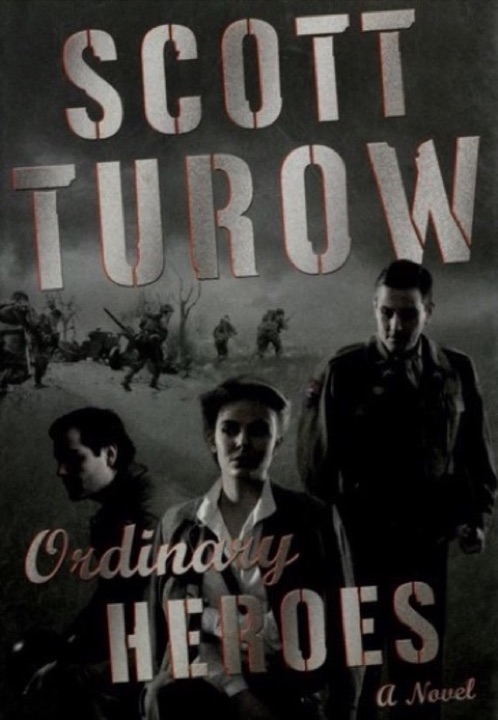
Ordinary Heroes
Applying the lessons from "Ordinary Heroes" by Scott Turow to your life can provide valuable insights and reinforce your existing beliefs and values. Here are some ways you might integrate these lessons:
-
Embrace Moral Ambiguity: - Recognize that life, much like war, often presents morally complex situations where the right choice isn't always clear. Your experiences, such as dealing with difficult ethical decisions in your medical career, already reflect this understanding. Continue to approach these situations with empathy and an open mind, acknowledging that sometimes the best decisions are made in the gray areas.
-
Redefine Heroism: - The novel suggests that heroism can be found in ordinary acts of courage and integrity. Reflect on your own life experiences, such as your actions during the plane crash, and recognize the heroism in your everyday actions. Celebrate the quiet, unrecognized moments where you demonstrate resilience, kindness, and empathy.
-
Acknowledge the Burden of Secrets: - Just as Stewart Dubinsky uncovers hidden aspects of his father's life, consider the impact of secrets and unspoken truths in your own life. Reflect on your past experiences, such as the regret of not seeing your father before he passed, and use these reflections to foster open communication and understanding within your family and relationships.
-
Understand the Impact of Experiences on Identity: - Your life experiences, including near-death situations and personal achievements, have shaped your identity. Embrace these experiences as part of your journey, recognizing how they have influenced your values and beliefs. Continue to grow and evolve, understanding that each experience contributes to your sense of self.
-
Pursue Truth and Understanding: - Like Stewart's investigation into his father's past, continue your pursuit of truth and understanding in your own life. Whether it's through personal reflection, learning, or engaging with others, strive to uncover deeper insights about yourself and the world around you. This aligns with your belief in being a lifelong learner and constantly seeking personal growth.
By integrating these lessons, you can continue to live a life guided by empathy, resilience, and a commitment to understanding the complexities of the human experience. These insights can help you navigate challenges, strengthen relationships, and find meaning in both ordinary and extraordinary moments.
What the book covers
"Ordinary Heroes" by Scott Turow is a historical novel that delves into the complexities of war, morality, and personal discovery. The story is framed by Stewart Dubinsky, a journalist who uncovers a hidden chapter of his father's life after his death. The narrative then shifts to the past, focusing on David Dubin (originally Dubinsky), Stewart's father, who served as a JAG officer during World War II.
Plot Summary
Discovery and Framing Story: The novel begins with Stewart Dubinsky discovering letters and documents that reveal his father, David Dubin, was court-martialed during World War II. Intrigued and confused by this revelation, Stewart decides to investigate further, leading him to a manuscript written by his father that details his wartime experiences.
David Dubin's Story: David Dubin, a lawyer before the war, is drafted and becomes a JAG officer. He is tasked with finding and arresting Robert Martin, a charismatic and enigmatic OSS officer who has gone rogue. Martin is suspected of conducting unauthorized operations behind enemy lines, which could jeopardize Allied efforts.
As David pursues Martin across war-torn Europe, he becomes entangled in the moral ambiguities of war. He encounters Gita Lodz, a courageous and mysterious woman who is deeply involved with Martin. Through his interactions with Martin and Gita, David is forced to confront his own beliefs about duty, justice, and the chaos of war.
Court-Martial and Resolution: David's pursuit of Martin leads to a series of events that culminate in his own court-martial. The charges against him are complex, involving disobedience and fraternization, but they also reflect the broader moral questions raised by his mission. Ultimately, David's trial becomes a reflection on the nature of heroism and the often-blurred line between right and wrong in wartime.
Epilogue and Reflection: The novel concludes with Stewart reflecting on his father's legacy. Through his father's manuscript, Stewart gains a deeper understanding of the man David was, the choices he made, and the burdens he carried. This journey of discovery allows Stewart to reconcile with his father's past and appreciate the complexities of his character.
Key Takeaways and Lessons
-
Moral Ambiguity in War: The novel highlights the moral complexities and ambiguities faced by individuals during wartime. It challenges the notion of clear-cut heroes and villains, suggesting that war often forces people into morally gray areas where the right choice is not always apparent.
-
The Nature of Heroism: "Ordinary Heroes" questions traditional definitions of heroism, suggesting that true heroism may lie in the quiet, often unrecognized acts of courage and integrity. The title itself implies that heroism can be found in ordinary individuals faced with extraordinary circumstances.
-
The Burden of Secrets: The story underscores the impact of secrets and hidden pasts on personal and familial relationships. Stewart's journey to uncover his father's history illustrates the importance of understanding and acknowledging the complexities of one's heritage.
-
The Impact of War on Identity: The novel explores how war shapes and reshapes personal identity. David's experiences during the war profoundly affect his sense of self, his values, and his relationships, illustrating the lasting impact of such intense experiences.
-
The Search for Truth: Stewart's investigation into his father's past reflects a broader theme of the search for truth and understanding. The novel suggests that uncovering the truth, no matter how uncomfortable, is essential for personal growth and reconciliation.
Overall, "Ordinary Heroes" is a thought-provoking exploration of the human condition during one of history's most tumultuous periods, offering readers a nuanced perspective on the nature of heroism and the moral challenges of war.