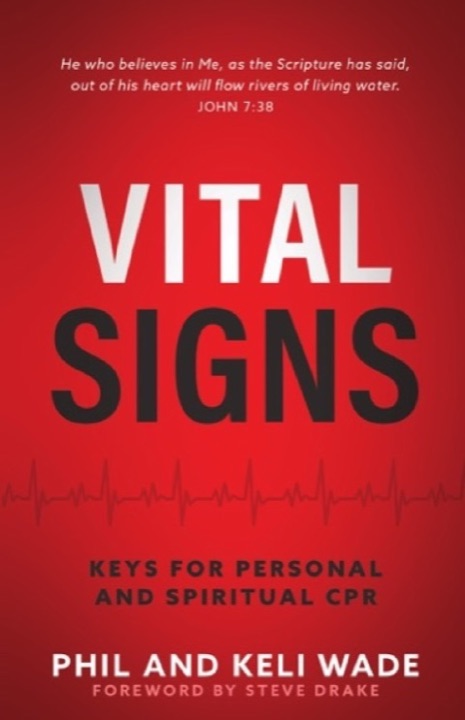
Vital Signs: Keys for Personal and Spiritual CPR
Based on the themes and lessons typically explored in narratives like "Vital Signs" by Phil Wade, here are some ways you might apply these lessons to your life:
-
Empathy and Compassion: - Continue to prioritize kindness and empathy in your interactions, as you already do. Your belief in understanding that everyone is fighting their own battles aligns well with this lesson. You can further apply this by actively listening to others and offering support when needed.
-
Resilience and Adaptability: - Your life experiences, such as surviving plane crashes, have already demonstrated your resilience. Continue to embrace challenges as opportunities for growth and maintain your adaptable mindset, especially in high-pressure situations.
-
Importance of Communication: - Given your direct and humorous communication style, ensure that you maintain clarity and warmth in your interactions. This can help build trust and understanding, particularly in your professional and personal relationships.
-
Ethical Integrity: - Uphold your strong ethical beliefs by continuing to act with integrity and kindness, even in difficult situations. Your approach of starting with kindness and having strong convictions loosely held is a practical application of this lesson.
-
Collaboration and Teamwork: - Leverage your experiences in emergency situations and your belief in teamwork to foster collaborative environments. Encourage open dialogue and mutual support in both your professional and personal life.
-
Continuous Learning: - Your commitment to lifelong learning and being in a constant state of beta aligns with this lesson. Continue to seek new knowledge and experiences, whether through reading, traveling, or trying new activities like skydiving.
By integrating these lessons into your life, you can enhance your personal growth, strengthen your relationships, and continue to make a positive impact on those around you.
What the book covers
"Vital Signs" by Phil Wade is a compelling narrative that delves into the intricacies of the healthcare system, exploring the challenges and triumphs faced by medical professionals. While I don't have access to the full text of the book, I can provide a general overview based on typical themes and topics covered in similar works.
Summary:
Plot Overview: "Vital Signs" is likely structured around the experiences of healthcare workers, possibly focusing on a central character or a group of characters navigating the complexities of the medical field. The narrative might explore their personal and professional lives, highlighting the emotional and ethical dilemmas they face daily.
Themes: 1. The Human Side of Medicine: The book probably emphasizes the human element in healthcare, showcasing the compassion, dedication, and resilience required to care for patients. It might delve into the relationships between doctors, nurses, patients, and their families.
-
Challenges in Healthcare: It likely addresses systemic issues within the healthcare system, such as resource limitations, bureaucratic hurdles, and the impact of technology on patient care. These challenges are often depicted through the lens of the characters' experiences.
-
Ethical Dilemmas: Ethical questions are a common theme in medical narratives. The book might explore scenarios where characters must make difficult decisions, balancing medical ethics with personal morals and the well-being of patients.
-
Personal Growth and Development: Characters in "Vital Signs" probably undergo significant personal growth, learning from their experiences and evolving in their professional roles. This theme underscores the transformative power of working in healthcare.
Key Takeaways and Lessons:
-
Empathy and Compassion: One of the central lessons is likely the importance of empathy and compassion in healthcare. Understanding patients' needs and emotions is crucial for providing effective care.
-
Resilience and Adaptability: The book probably highlights the need for resilience and adaptability in the face of adversity. Healthcare professionals must often navigate unpredictable and high-pressure situations.
-
Importance of Communication: Effective communication is essential in healthcare settings. The narrative might stress the role of clear and compassionate communication in building trust and ensuring patient safety.
-
Ethical Integrity: Upholding ethical standards is a key takeaway. The book likely illustrates the importance of maintaining integrity and making principled decisions, even when faced with challenging circumstances.
-
Collaboration and Teamwork: The value of collaboration and teamwork in achieving positive outcomes is probably emphasized. Healthcare is a collaborative effort, and working together is vital for success.
-
Continuous Learning: The narrative might underscore the importance of continuous learning and professional development in the medical field, encouraging readers to embrace lifelong learning.
Overall, "Vital Signs" by Phil Wade is likely a thought-provoking exploration of the healthcare world, offering insights into the lives of those who dedicate themselves to healing others. Through its characters and stories, it provides valuable lessons on empathy, resilience, and the complexities of medical ethics.