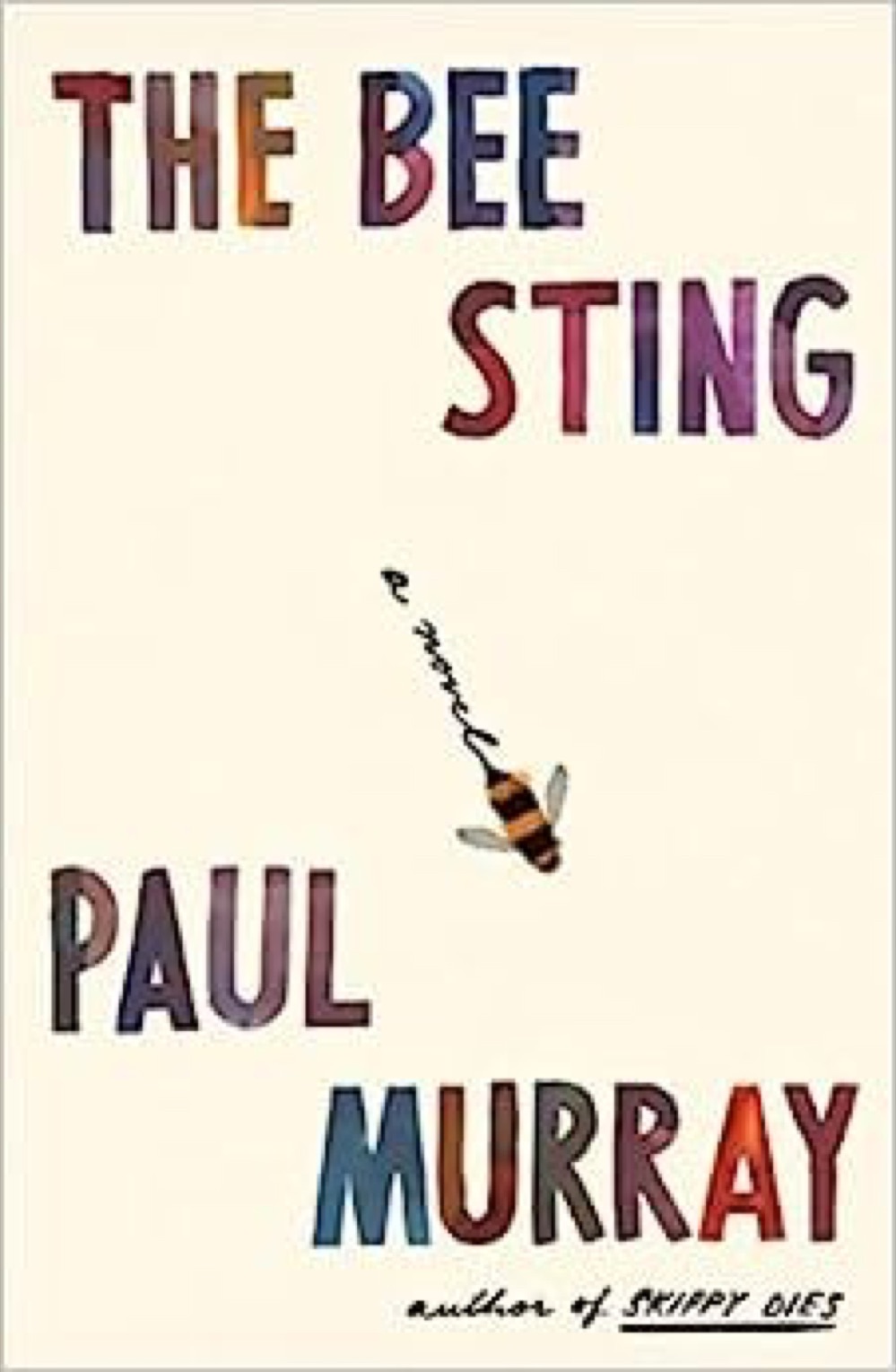
The Bee Sting
Applying the lessons from "The Bee Sting" by Paul Murray to your life can be an exercise in radical self-honesty and the recognition of how fragility in one area of life—be it financial, emotional, or social—can ripple through an entire ecosystem. Here are some ways you might integrate these lessons:
- Confronting Financial Realism: - In your roles as a venture capitalist and entrepreneur, you must recognize the danger of the "sunk cost" fallacy. Dickie’s refusal to pivot or close his failing dealership led to total ruin; you must maintain the discipline to acknowledge when a business model is broken and have the courage to exit before the damage becomes irreversible.
- The High Cost of Organizational Secrecy: - Whether in a law firm or a medical practice, transparency is the bedrock of safety and trust. The Barnes family’s collapse is driven by what they hide from one another; you should foster environments where "bad news" is shared early and often, preventing small operational "stings" from becoming systemic infections.
- Aviation-Level Situational Awareness: - Much like a pilot must monitor multiple instruments to avoid a stall, you must look beyond the immediate "emergency" to see the broader atmospheric conditions. The characters in the novel are so focused on their individual crises that they fail to see the approaching storm—a lesson in the importance of maintaining a high-level perspective in complex systems.
- Resilience Amidst Systemic Shifts: - The Irish economic crash serves as a reminder that macro-economic forces can dismantle even the most established legacies. You can apply this by diversifying your interests and maintaining the "Stay Hungry" mindset, ensuring that your identity and security are not tied to a single, vulnerable pillar of industry or status.
- Intergenerational Legacy and Mentorship: - As an author and leader, you have the platform to shape the next generation. The failures in the book stem from a lack of mentorship and emotional intelligence; you should focus on providing the guidance and stability for your mentees that the Barnes children so desperately lacked, ensuring your legacy is one of growth rather than inherited trauma.
- Managing the "Stings" of Chance: - Recognize that in medicine and law, "perfect" outcomes are often thwarted by random, uncontrollable events. By accepting the role of chance—the "bee sting" behind the veil—you can develop a more compassionate approach to failure, focusing on the quality of the process and the ethics of the attempt rather than just the unpredictability of the result.
By integrating these lessons, you can build a more resilient life that values truth over appearances and proactive communication over defensive isolation. Murray’s work teaches us that while we cannot control the random "stings" life deals us, we can control the stories we tell ourselves and the transparency we offer to those who depend on us for leadership and love.
What the book covers
"The Bee Sting" by Paul Murray is a sprawling, multi-perspective tragicomedy that chronicles the slow-motion collapse of the Barnes family in a small Irish town following the 2008 financial crisis. Through the eyes of four distinct family members, Murray explores themes of fate, economic ruin, and the devastating impact of long-held secrets on the human psyche. The narrative weaves together past traumas and present anxieties, ultimately questioning whether we can ever truly escape the shadows of our upbringing or the consequences of a single, fateful moment. It is a masterful exploration of how a legacy of silence can dismantle even the most established domestic structures.
Summary:
- Dickie’s Downfall: - Dickie Barnes, the patriarch, struggles to maintain his family’s car dealership, which is hemorrhaging money after the Irish economic crash. Instead of facing the reality of his business’s failure, he retreats into the woods to build a doomsday bunker, reflecting a psychological fracture caused by the pressure of maintaining a legacy he never truly wanted.
- Imelda’s Secret History: - Imelda, Dickie’s wife, is a former local beauty queen who feels trapped by her marriage and her declining socioeconomic status. Her narrative reveals a tragic backstory involving Dickie’s brother, Frank, whose death before her wedding set the stage for a life built on a foundation of grief and "what-ifs."
- Cass’s Search for Identity: - Cass, the eldest daughter, navigates the typical angst of adolescence exacerbated by her family’s falling status and her own academic pressures. Her journey through heavy drinking and a toxic friendship serves as a microcosm for the family’s inability to communicate or provide a stable foundation for the next generation.
- PJ’s Escapism: - The youngest son, PJ, faces bullying and neglect as his parents’ marriage dissolves in the background of his childhood. He finds solace in online gaming and a plan to run away to Dublin, illustrating how the breakdown of the family unit forces even its youngest members to seek survival outside the domestic sphere.
- The Economic Shadow: - The book vividly portrays the aftermath of the "Celtic Tiger" boom and bust within rural Ireland. The town of Kanvagh is haunted by half-finished housing estates and shuttered businesses, serving as a bleak backdrop that mirrors the internal decay and financial desperation of the Barnes family.
- The Recurring Bee Sting: - The title refers to a pivotal moment on Imelda’s wedding day when a bee sting behind her veil becomes a symbol of the "bad omen" that haunts the family. This motif underscores the book’s preoccupation with chance, fate, and the idea that one small, random event can alter the trajectory of multiple lives.
- The Fragmentation of Truth: - As the perspective shifts between characters, the reader realizes that no one in the family truly knows the others. Their isolated internal monologues highlight the tragic irony of living under the same roof while being completely estranged by secrets, shame, and unaddressed trauma.
- The Climactic Storm: - The novel concludes during a violent rainstorm where the family members’ paths converge in a tense and tragic encounter in the woods. The ending is intentionally ambiguous, forcing the reader to confront the possibility that the family’s various "stings"—both metaphorical and literal—have led to an unavoidable catastrophe.
The Bee Sting is a monumental achievement in contemporary fiction, blending dark humor with profound pathos. It serves as a stark reminder of how the silence between loved ones can become a vacuum that eventually swallows them whole. By examining the intersection of personal failure and systemic collapse, Murray offers a masterclass in character study and narrative tension.