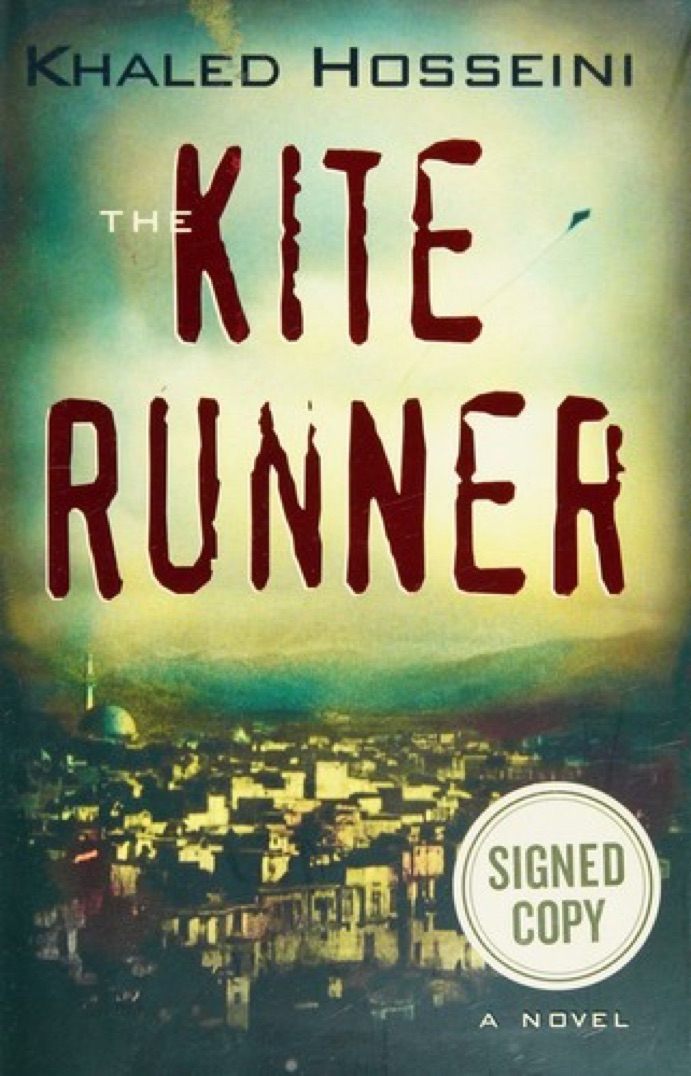
The Kite Runner
Applying the lessons from "The Kite Runner" by Khaled Hosseini to your life can be a transformative exercise in understanding the weight of one's choices and the possibility of atonement. Here are some ways you might integrate these lessons:
- Lead with Moral Courage: - In the realms of medicine and law, you often face moments where the easy path is silence, but the right path requires standing up for those without a voice. Avoid the "Amir trap" of being a bystander; realize that your integrity is forged in the moments when you choose to act despite your fear or the potential social cost.
- The Long-Term Value of Accountability: - Whether in entrepreneurship or personal relationships, unresolved mistakes do not vanish; they compound over time like debt. You should practice radical honesty and address failures early, recognizing that "a way to be good again" starts with acknowledging the truth rather than burying it under success or geographical distance.
- Cultivate Cultural Empathy and Intelligence: - As a leader in global health or venture capital, you must look beyond surface-level statistics to understand the deep-seated histories and traumas of the populations you serve. Recognizing the invisible class and ethnic structures that influence human behavior, as seen in the Pashtun-Hazara dynamic, allows you to build more equitable and effective organizations.
- Embrace the Role of the Mentor: - Just as Rahim Khan provided Amir with the bridge to redemption, you have the opportunity to offer others the chance to course-correct. Use your influence to provide guidance that is both honest and hopeful, helping others find their path back to their best selves after a professional or personal setback.
- Resilience Through Reinvention: - Baba’s transition from a wealthy businessman in Kabul to a gas station attendant in California is a masterclass in humility and resilience. You can apply this by remaining "hungry and humble," willing to reinvent yourself and work from the ground up whenever life or the market demands a pivot.
- Recognize the Legacy of Paternal Influence: - Reflect on how the desire for approval from authority figures or parents can drive both ambition and insecurity. In your own leadership and family life, strive to provide the type of validation that encourages authenticity rather than forcing others to hide their true nature to fit a mold.
By integrating these lessons, you recognize that while the past is a powerful force, it is not an inescapable prison. True leadership and personal growth require the bravery to face your history, the humility to serve others regardless of your status, and the persistent pursuit of a "way to be good again" in every facet of your life.
What the book covers
"The Kite Runner" by Khaled Hosseini is a profound and emotionally searing novel that explores the intricate bonds of friendship, the weight of betrayal, and the arduous journey toward redemption. Set against the backdrop of a changing Afghanistan—from the final days of the monarchy to the terrifying rise of the Taliban—the story follows Amir, a young boy from Kabul, as he grapples with a childhood act of cowardice that haunts his adult life in America. Through its vivid prose, the book examines how personal failures and historical catastrophes intersect, ultimately illustrating the enduring human capacity to seek atonement even in the face of overwhelming odds.
Summary:
- Childhood and the Kite Tournament: - The story begins in the 1970s in Kabul, where Amir, a wealthy Pashtun boy, and Hassan, his loyal Hazara servant and friend, spend their days kite fighting. Hassan is the greatest kite runner in the city, possessing an uncanny ability to know where a downed kite will land, while Amir seeks the approval of his distant and demanding father, Baba. - During a pivotal kite-fighting tournament, Amir finally wins his father's respect, but the victory is marred by a brutal tragedy. Hassan is cornered and assaulted by a local bully named Assef while retrieving the winning kite; Amir witnesses the attack but, paralyzed by fear and social prejudice, fails to intervene, a moment of cowardice that defines the rest of his life.
- The Burden of Guilt and Betrayal: - Consumed by shame, Amir is unable to look at Hassan without being reminded of his own failure. He eventually plants money and a watch under Hassan’s mattress to frame him for theft, hoping that removing Hassan from the household will alleviate his own guilt. - Despite Baba's forgiveness, Hassan and his father, Ali, choose to leave the household, severing the bond between the two families. Shortly after, the Soviet invasion of Afghanistan forces Amir and Baba to flee the country, leaving their past and their home behind.
- Exile and the American Dream: - Amir and Baba settle in Fremont, California, where they transition from a life of prestige to one of humble labor. Baba works at a gas station while Amir pursues his dream of becoming a writer, eventually marrying Soraya, the daughter of a former Afghan general. - While Amir finds success and stability in America, the memory of Hassan remains a persistent shadow. The cultural shift from Kabul to California highlights the themes of identity and the resilience required to rebuild a life in a foreign land after losing everything.
- The Call to Redemption: - Decades later, Amir receives a call from Rahim Khan, Baba's old business partner and Amir's childhood mentor, who is dying in Pakistan. Rahim Khan utters the catalytic phrase, "There is a way to be good again," revealing that he knows about Amir's past and offering him a chance at atonement. - Amir travels to Peshawar and learns the shocking truth: Hassan was actually his half-brother, a secret Baba kept to protect his reputation. He also learns that Hassan and his wife were murdered by the Taliban, leaving behind an orphaned son named Sohrab who is being held in a Kabul orphanage.
- The Return to Kabul: - Amir ventures into a war-torn, Taliban-controlled Kabul to rescue Sohrab. The city he once loved is unrecognizable, characterized by public executions and extreme poverty. This journey represents Amir’s final confrontation with the physical and metaphorical ghosts of his past. - He discovers that Sohrab is being held by Assef, now a high-ranking Taliban official. In a violent and symbolic climax, Amir is brutally beaten by Assef, but he feels a sense of peace and liberation as he finally pays the physical price for his childhood cowardice, eventually being saved by Sohrab’s skill with a slingshot.
- The Long Way to Be Good: - After a harrowing escape to Pakistan and a difficult legal battle to adopt Sohrab, Amir brings the boy back to the United States. Sohrab is deeply traumatized and silent, but the book ends with a glimmer of hope during a kite-flying gathering in a park. - As Amir runs a kite for Sohrab, the roles are reversed, and he experiences a moment of connection that suggests the beginning of healing. The narrative concludes with the understanding that while the past cannot be undone, the future can be shaped by acts of love and sacrifice.
"The Kite Runner" is a landmark work of contemporary literature that provides a human face to the headlines of Afghan history while exploring universal themes of fatherhood, ethnicity, and the search for forgiveness. It remains a poignant reminder that true character is not defined by our mistakes, but by the courage we summon to rectify them.