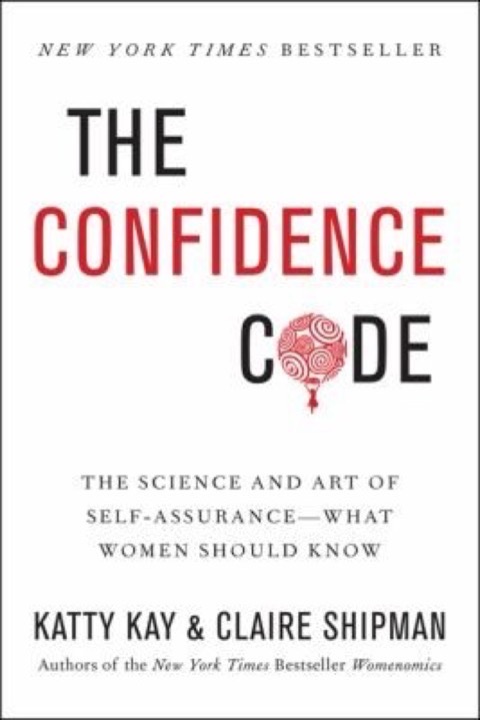
The Confidence Code: The Science and Art of Self-Assurance - What Women Should Know
Applying the lessons from "The Confidence Code" to your life can be a transformative experience, even though the book primarily focuses on women. Here are some ways you might integrate its teachings into your life:
-
Embrace Confidence as a Skill: - Recognize that confidence, like any other skill, can be developed and strengthened. Given your experiences and achievements, continue to practice self-assurance in areas where you might feel less confident, such as trying new activities like skydiving.
-
Action Over Perfection: - You already seem to embrace action, but continue to prioritize taking steps forward, even if they aren't perfect. This aligns with your belief in persistence and resilience. Encourage yourself to try new things without waiting for the perfect moment.
-
Embrace Failure: - You've mentioned that failures have helped you grow. Continue to view setbacks as opportunities for learning and growth. This mindset can further enhance your resilience and confidence.
-
Challenge Societal Norms: - Given your passion for social issues and equality, continue to challenge societal norms that you find objectionable. Use your influence and experiences to advocate for change and support others in building their confidence.
-
Support Networks Matter: - Leverage your existing support networks and continue to build new ones. Your relationships with family and friends are strong, so use these connections to bolster your confidence and support others in their journeys.
-
Mindset Shift: - Cultivate a growth mindset by viewing challenges as opportunities to learn. This aligns with your philosophy of being a lifelong learner and can help you continue to grow and develop.
-
Role Models and Mentors: - While you have been influenced by thinkers like Marcus Aurelius and Theodore Roosevelt, consider how you can serve as a role model or mentor to others, particularly in fostering confidence and resilience.
-
Cultural Influence: - Use your understanding of cultural and societal influences to help others navigate their confidence journeys. Your experiences and insights can be valuable in supporting others, especially in areas related to equality and social justice.
By integrating these lessons into your life, you can continue to build on your strengths and support others in their confidence-building journeys. Your unique experiences and perspectives make you well-equipped to apply these teachings in meaningful ways.
What the book covers
"The Confidence Code: The Science and Art of Self-Assurance - What Women Should Know" by Katty Kay and Claire Shipman is a compelling exploration of the concept of confidence, particularly as it pertains to women. The authors, both accomplished journalists, delve into the psychological and societal factors that influence confidence levels and provide practical advice for women seeking to enhance their self-assurance.
Summary:
-
Understanding Confidence: - The book begins by defining confidence as the belief in one's ability to succeed. It distinguishes confidence from competence, emphasizing that while competence is about ability, confidence is about belief in that ability. - Kay and Shipman explore the biological and psychological underpinnings of confidence, noting that it is partly genetic but also significantly shaped by environment and experiences.
-
The Confidence Gap: - A central theme is the "confidence gap" between men and women. The authors present research showing that women often underestimate their abilities and performance, while men tend to overestimate theirs. - This gap is attributed to various factors, including societal expectations, upbringing, and internalized beliefs about gender roles.
-
The Role of Failure: - The book emphasizes the importance of embracing failure as a learning tool. Women are encouraged to take risks and view setbacks as opportunities for growth rather than as reflections of their worth. - The authors argue that resilience in the face of failure is a critical component of building confidence.
-
The Impact of Perfectionism: - Perfectionism is identified as a significant barrier to confidence for many women. The authors discuss how the pursuit of perfection can lead to procrastination and self-doubt. - They advocate for a shift in mindset from perfection to progress, encouraging women to take action even when they feel less than fully prepared.
-
Building Confidence: - Practical strategies for building confidence are provided, including setting realistic goals, practicing self-compassion, and seeking out supportive networks. - The authors highlight the importance of "acting with confidence" even when one does not feel confident, as behavior can influence mindset.
-
The Influence of Culture: - Cultural norms and media representations are examined for their role in shaping women's confidence. The authors call for a cultural shift that values and supports confident women. - They also discuss the importance of role models and mentors in fostering confidence in younger generations.
Key Takeaways and Lessons:
- Confidence is a Skill: Like any skill, confidence can be developed and strengthened through practice and persistence.
- Action Over Perfection: Taking action, even imperfectly, is more beneficial than waiting for the perfect moment or perfecting every detail.
- Embrace Failure: Viewing failure as a stepping stone rather than a setback is crucial for building resilience and confidence.
- Challenge Societal Norms: Question and challenge societal expectations and stereotypes that undermine women's confidence.
- Support Networks Matter: Building and maintaining a network of supportive peers and mentors can significantly bolster confidence.
- Mindset Shift: Cultivating a growth mindset, where challenges are seen as opportunities to learn, can enhance confidence.
Overall, "The Confidence Code" serves as both a call to action and a guide for women seeking to understand and improve their confidence. It combines scientific research with personal anecdotes to provide a comprehensive look at the barriers women face and the strategies they can employ to overcome them.