Thirty seconds over Tokyo
Applying the lessons from "Thirty Seconds Over Tokyo" by Ted W. Lawson to your life can be a meaningful way to reflect on your experiences and values. Here are some ways you might integrate these lessons:
-
Courage and Sacrifice: - Reflect on your own experiences of courage, such as surviving plane crashes. Recognize the bravery it takes to face such situations and how these moments have shaped your resilience. Consider how you can continue to demonstrate courage in your daily life, whether through personal challenges or advocating for social issues you care about.
-
Innovation and Adaptability: - Embrace your forward-thinking approach to technology and societal advancements. Like the Doolittle Raiders, who adapted to new strategies, continue to seek innovative solutions in your career and personal life. This might involve exploring new hobbies, like skydiving, or finding creative ways to address challenges in your advocacy work.
-
Resilience in Adversity: - Your life story already exemplifies resilience, from overcoming near-death experiences to standing up for your beliefs. Use these experiences as a foundation to inspire others and to remind yourself of your capacity to endure and thrive despite difficulties.
-
The Power of Allies: - Recognize the importance of the support network in your life, including family, friends, and colleagues. Just as the Doolittle Raiders relied on Chinese allies, value and nurture these relationships. Continue to be a loyal friend and advocate for those around you, offering support when needed.
-
Impact on Morale: - Like the psychological impact of the Doolittle Raid, consider how your actions and attitude can influence those around you. Your humor, kindness, and optimism can boost the morale of others, whether in your professional environment or personal relationships.
By integrating these lessons, you can continue to live a life that aligns with your values of kindness, empathy, and resilience, while also honoring the spirit of innovation and courage demonstrated in "Thirty Seconds Over Tokyo."
What the book covers
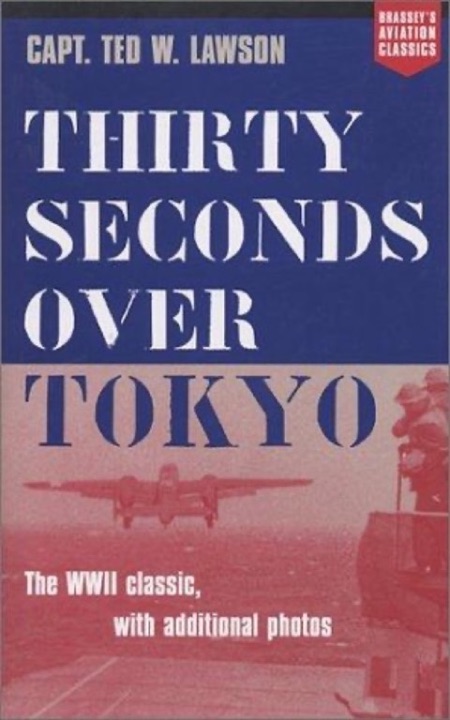
"Thirty Seconds Over Tokyo" is a memoir by Captain Ted W. Lawson, published in 1943, which recounts his experiences as a pilot during the Doolittle Raid, the first air raid by the United States to strike the Japanese home islands during World War II. The book provides a detailed and personal account of the planning, execution, and aftermath of the raid, highlighting the bravery and resilience of the men involved.
Summary:
Background and Planning: The book begins with the context of the Doolittle Raid, which was conceived as a response to the attack on Pearl Harbor. The mission aimed to boost American morale and demonstrate that Japan was vulnerable to American air attacks. Led by Lieutenant Colonel James Doolittle, the raid involved launching B-25 bombers from an aircraft carrier, a feat never before attempted.
Training and Preparation: Lawson describes the rigorous training the crews underwent to prepare for the mission. This included learning to take off from a short runway on an aircraft carrier, a challenging task given the size and weight of the B-25 bombers.
The Raid: The core of the book details the raid itself. On April 18, 1942, Lawson and his fellow pilots launched from the USS Hornet. Despite the challenges of navigating over unfamiliar territory and the risk of enemy interception, the raid successfully struck targets in Tokyo and other Japanese cities.
Aftermath and Survival: Following the raid, the crews faced the daunting task of reaching safety in China. Lawson's plane ran out of fuel, leading to a crash landing. He recounts the harrowing experience of surviving the crash, his severe injuries, and the subsequent efforts to evade capture by Japanese forces with the help of Chinese allies.
Recovery and Reflection: The latter part of the book focuses on Lawson's recovery from his injuries, including the amputation of his leg. He reflects on the courage and sacrifice of his fellow airmen and the support they received from the Chinese people.
Key Takeaways and Lessons:
-
Courage and Sacrifice: The book highlights the extraordinary bravery of the Doolittle Raiders, who undertook a mission with a high risk of failure and little chance of returning safely. Their willingness to sacrifice for a greater cause is a central theme.
-
Innovation and Adaptability: The raid demonstrated the importance of innovation in warfare. The ability to adapt and execute a novel strategy was crucial to the mission's success.
-
Resilience in Adversity: Lawson's personal story of survival and recovery underscores the human capacity for resilience. Despite severe injuries and the threat of capture, he persevered with the help of his comrades and allies.
-
The Power of Allies: The assistance provided by the Chinese people was vital to the survival of many raiders. The book emphasizes the importance of alliances and the support of local populations in military operations.
-
Impact on Morale: Although the raid caused limited physical damage, its psychological impact was significant. It boosted American morale and demonstrated to both the U.S. and Japan that the latter was not invulnerable.
"Thirty Seconds Over Tokyo" remains a powerful testament to the courage and ingenuity of those who participated in the Doolittle Raid, offering insights into the human aspects of warfare and the enduring spirit of those who serve.