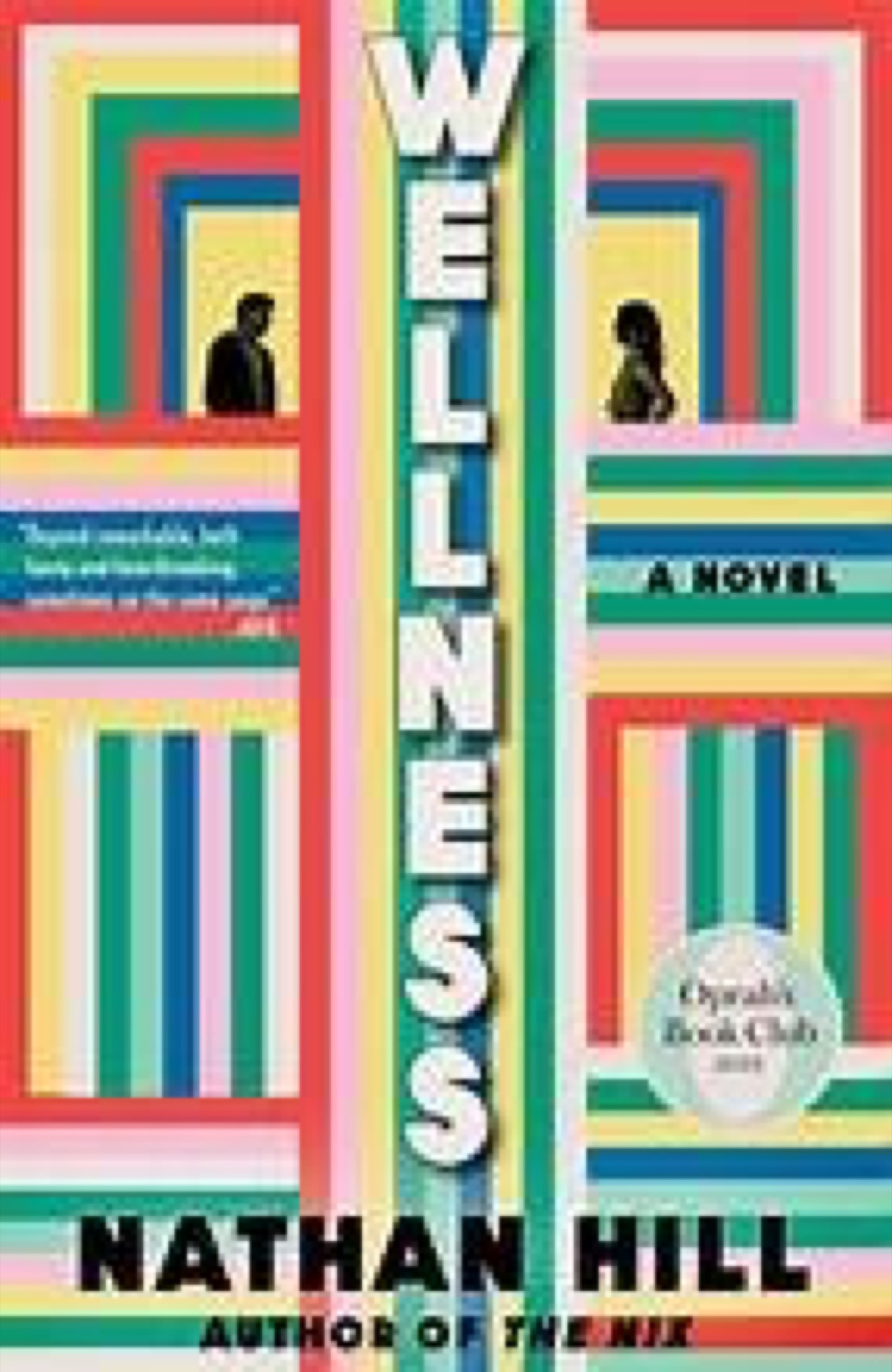
Wellness
Applying the lessons from "Wellness" by Nathan Hill to your life can be a transformative exercise in self-awareness and empathy for the complexities of the human experience. Here are some ways you might integrate these lessons:
-
Question Your Internal Algorithms: - Just as Jack’s father is led astray by digital echo chambers, you must recognize that your own mind creates feedback loops. Regularly audit your beliefs and the data you use to make decisions in business and leadership to ensure you aren't simply confirming your own biases.
-
Embrace the Imperfect Instrument: - In aviation and medicine, precision is vital, but in human relationships, the pursuit of a "perfect" outcome can be destructive. You should learn to value the "messy data" of human interaction, realizing that people—including employees and family members—cannot be optimized like a piece of software.
-
Deconstruct the Power of Belief: - Elizabeth’s work with placebos proves that perception often dictates physical and emotional outcomes. As a leader or entrepreneur, use this to your advantage by fostering a culture of positive belief and vision, while remaining grounded enough to know when you are falling for your own "marketing."
-
Practice Narrative Humility: - Recognize that the story you tell about your success or your failures is only one version of the truth. By staying humble and acknowledging that your perspective is limited by your past experiences, you become a more effective negotiator, attorney, and partner.
-
Prioritize Connection Over Optimization: - In a world of biohacking and productivity apps, it is easy to treat life as a series of tasks to be completed. You must intentionally carve out space for unquantifiable moments—spontaneous joy with your children or deep conversations with peers—that have no measurable ROI but provide the highest life value.
-
Acknowledge Multi-Generational Influence: - Much of how we react in high-pressure situations, whether in the ER or the boardroom, is rooted in our family history. By understanding your own "origin story" and the traumas of those you lead, you can approach conflicts with greater empathy and strategic patience.
By integrating these lessons, you will develop a more sophisticated understanding of the forces that shape your identity and your relationships. You will move past the superficiality of "wellness" as a product to be consumed and toward a genuine state of well-being that accepts the inherent unpredictability and beauty of a life well-lived.
What the book covers
"Wellness" by Nathan Hill is a sprawling, ambitious novel that dissects the anatomy of a modern marriage through the lens of history, technology, and the various pseudo-sciences of the self-improvement industry. The story follows Jack and Elizabeth, a couple who meet in the 1990s Chicago underground art scene and eventually find themselves navigating the sanitized, anxious world of suburban midlife. Hill uses their relationship as a vehicle to explore how belief, memory, and the narratives we construct about our lives often diverge from objective reality. It is a profound investigation into the way humans seek meaning in an era dominated by algorithms and the relentless pursuit of "optimization."
Summary:
-
The Foundation of a Myth: - Jack and Elizabeth begin as two lonely individuals in Chicago who find solace in one another, viewing their meeting as a fated, cinematic romance. They build a life on the shared belief that they are different from the mainstream world, eventually settling into a marriage that feels stable until the pressures of parenthood and modern domesticity begin to erode their initial bond.
-
The Illusion of Optimization: - As the couple ages, Elizabeth becomes involved in the "Wellness" industry, working at a high-end lab that uses the placebo effect to treat emotional and psychological ailments. This section of the book satirizes the contemporary obsession with biohacking, mindfulness, and the constant need to "fix" the human condition through supplements and lifestyle adjustments.
-
The Algorithmic Divide: - Jack’s relationship with his estranged father highlights the corrosive power of digital echo chambers and internet algorithms. The novel explores how data-driven feedback loops can radicalize beliefs and tear families apart, demonstrating how Jack’s father becomes obsessed with conspiracy theories while Jack struggles to understand the person his father has become.
-
The Architecture of the Future: - A significant portion of the plot revolves around the couple’s attempt to build a "forever home" in a trendy neighborhood. This project becomes a symbol of their crumbling relationship; as they obsess over floor plans and social status, they lose sight of the emotional connection that was supposed to be the house's foundation.
-
Ancestral Weight: - The narrative frequently flashes back to the characters' childhoods—Jack’s life on a failing Kansas farm and Elizabeth’s upbringing as a member of a wealthy, dysfunctional dynasty. These histories reveal the traumas and expectations that they have unknowingly carried into their marriage, shaping their behaviors in ways they fail to recognize.
-
The Reality of Parenthood: - Their son, Toby, becomes a point of contention and a mirror for their own anxieties. The book captures the frantic, data-driven nature of modern parenting, where every developmental milestone is tracked and analyzed, often at the expense of genuine parental intuition and spontaneity.
-
The Placebo of Love: - In the final act, Jack and Elizabeth must confront the fact that the stories they told about their meeting and their love were partially fabricated. They are forced to decide if a relationship built on a "placebo"—a shared, beneficial illusion—is worth saving when the harsh light of reality is finally turned on.
Ultimately, "Wellness" is a brilliant commentary on the friction between our internal desires and the external world. It suggests that while we may never truly achieve a state of perfect health or a perfect marriage, the act of striving and the willingness to see the truth in one another is where actual connection is found.