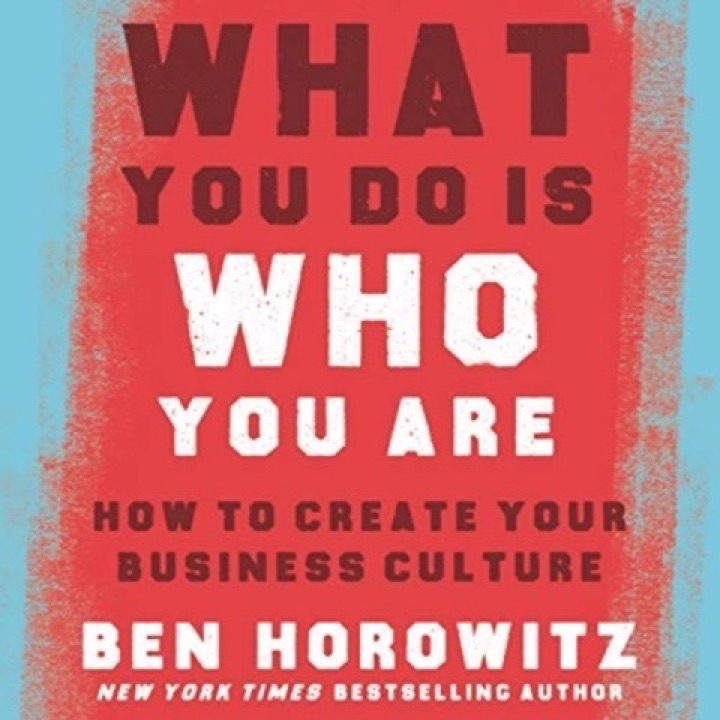
What You Do Is Who You Are: How to Create Your Business Culture
Applying the lessons from "What You Do Is Who You Are" by Ben Horowitz to your life involves aligning your actions with your core values and being intentional about the culture you create in your personal and professional environments. Here’s how you might do that:
-
Align Actions with Values: - Your core values of kindness and empathy should be consistently reflected in your actions. Whether interacting with family, friends, or colleagues, ensure that your behavior embodies these values, reinforcing the culture you wish to create around you.
-
Intentional Culture Creation: - Just as Horowitz suggests leaders should design their organizational culture, you can be deliberate about the culture you foster in your personal life. This might involve setting clear expectations for how you and those around you interact, ensuring that these interactions are rooted in respect and understanding.
-
Lead by Example: - As a leader in your family and professional life, model the behavior you want to see in others. Your resilience, humor, and empathy can serve as a guide for those around you, encouraging them to adopt similar values and behaviors.
-
Consistency and Adaptability: - Consistently apply your values in all situations, but remain open to adapting your approach as circumstances change. This adaptability can help you navigate new challenges while staying true to your core principles.
-
Learn from Historical and Personal Experiences: - Reflect on historical examples from the book and your own life experiences to gain insights into effective leadership and cultural creation. Your experiences, such as overcoming near-death situations and advocating for social issues, can inform how you approach challenges and opportunities.
-
Embrace Personal Growth: - Continue to evaluate your actions and decisions daily, as you already do, to ensure they align with your values. This ongoing self-assessment can help you grow and refine the culture you create in your life.
-
Foster a Supportive Environment: - Encourage open communication and support within your family and professional circles. By doing so, you create a culture where everyone feels valued and empowered to contribute positively.
-
Balance and Humor: - While you recognize humor as both a strength and a weakness, use it to create a positive and light-hearted atmosphere. Balance this with seriousness when necessary to maintain a culture of respect and understanding.
By applying these principles, you can create a personal and professional culture that reflects your values and supports your goals, much like the leaders and historical figures discussed in Horowitz's book.
What the book covers
"What You Do Is Who You Are: How to Create Your Business Culture" by Ben Horowitz is a compelling exploration of how leaders can shape and define the culture of their organizations. Horowitz, a well-known venture capitalist and co-founder of Andreessen Horowitz, draws on historical and contemporary examples to illustrate how culture is created and maintained.
Summary:
-
Introduction to Culture: Horowitz begins by defining culture as the set of actions that people in an organization take when they are not being watched. He emphasizes that culture is not about what you say, but what you do. It is the behavior that defines the organization.
-
Historical Examples: - Toussaint Louverture: Horowitz examines the leadership of Toussaint Louverture, who led the Haitian Revolution. Louverture's ability to create a culture of discipline and resilience among his troops was crucial to their success. Horowitz highlights how Louverture's actions, such as his insistence on discipline and his strategic alliances, shaped the culture of his army. - Samurai Culture: The book delves into the samurai culture of Japan, focusing on the Bushido code. Horowitz discusses how the samurai's values of honor, loyalty, and discipline were not just ideals but were embedded in their daily actions and decisions.
-
Modern Examples: - Shaka Senghor: Horowitz shares the story of Shaka Senghor, a former prisoner who transformed the culture within a prison. Senghor's leadership and focus on rehabilitation and personal growth created a positive cultural shift among inmates. - Genghis Khan: The book also explores how Genghis Khan built a culture of meritocracy and innovation within his empire, which contributed to its vast expansion and success.
-
Business Applications: Horowitz connects these historical lessons to modern business practices. He argues that leaders must be intentional about the culture they create and provides strategies for doing so. This includes setting clear values, leading by example, and ensuring that cultural practices align with the organization's goals.
-
Practical Advice: - Cultural Design: Leaders should design their culture with the same care they use to design their products. This involves defining the behaviors that are valued and ensuring they are consistently practiced. - Consistency: Culture is reinforced through consistent actions. Leaders must model the behavior they want to see and hold others accountable. - Adaptability: While consistency is important, leaders must also be willing to adapt their culture as the organization grows and changes.
Key Takeaways and Lessons:
-
Actions Speak Louder Than Words: Culture is defined by actions, not statements. Leaders must embody the culture they wish to create.
-
Intentional Culture Creation: Culture should be deliberately designed and nurtured. It requires ongoing effort and attention from leadership.
-
Historical Lessons: Studying historical figures and their cultural impact can provide valuable insights for modern leaders.
-
Alignment with Values: The culture of an organization should align with its core values and mission. This alignment is crucial for long-term success.
-
Adaptability and Growth: As organizations evolve, so too should their culture. Leaders must be open to change and willing to adapt cultural practices to meet new challenges.
-
Leadership by Example: Leaders must consistently demonstrate the behaviors and values they want to instill in their organization.
In "What You Do Is Who You Are," Ben Horowitz provides a rich tapestry of stories and insights that illustrate the power of culture in shaping organizations. By learning from both historical and modern examples, leaders can better understand how to create and sustain a culture that drives success.