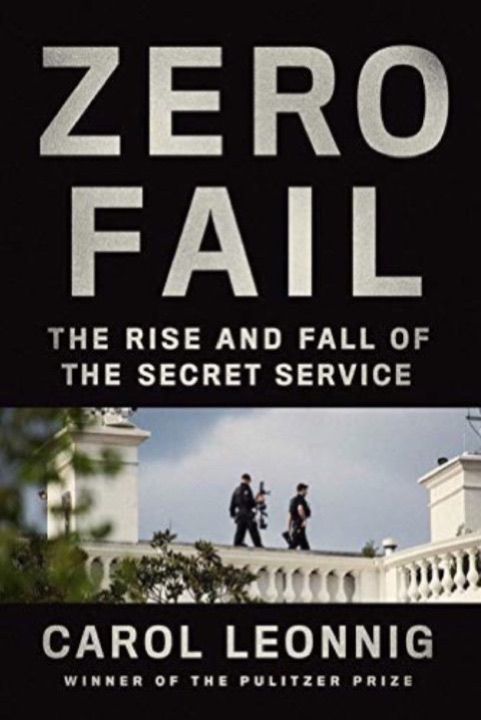
Zero Fail: The Rise and Fall of the Secret Service
Applying the lessons from "Zero Fail: The Rise and Fall of the Secret Service" by Carol Leonnig to your life can be insightful, especially given your experiences and values. Here are some ways you might integrate these lessons:
-
Need for Reform: Just as the Secret Service needs reform to stay effective, consider areas in your life where you might benefit from change or improvement. This could involve updating your skills, trying new experiences like skydiving, or reassessing your routines to ensure they align with your goals and values.
-
Transparency and Accountability: Emphasize transparency and accountability in your personal and professional relationships. Continue to approach situations with honesty and openness, and encourage others to do the same. This aligns with your value of kindness and empathy, fostering trust and understanding.
-
Balancing Security and Privacy: Reflect on how you balance security and privacy in your own life. As someone who values technology and its advancements, consider how you can leverage these tools while respecting your own and others' privacy.
-
Leadership and Management: Apply the importance of effective leadership and management to your roles, whether in your career, family, or community. Your resilience, humor, and empathy are strengths that can inspire and guide others, much like the visionary leaders Leonnig advocates for.
-
Adapting to Change: Embrace adaptability and responsiveness to change, as the Secret Service must do. Your experiences with near-death situations and your belief in living in the moment highlight the importance of being flexible and open to new opportunities and challenges.
By integrating these lessons, you can continue to grow and thrive, both personally and professionally, while staying true to your core values and beliefs.
What the book covers
"Zero Fail: The Rise and Fall of the Secret Service" by Carol Leonnig is a comprehensive examination of the United States Secret Service, detailing its history, challenges, and the various scandals that have plagued the agency over the years. Leonnig, a Pulitzer Prize-winning journalist, provides an in-depth look at the inner workings of the Secret Service, drawing on extensive interviews and insider accounts.
Summary:
Origins and Evolution:
The book begins by tracing the origins of the Secret Service, which was initially created in 1865 to combat counterfeiting. Over time, its role expanded to include the protection of the President and other high-profile figures. Leonnig outlines how the agency's responsibilities have grown, particularly after the assassination of President John F. Kennedy, which led to increased security measures and a greater focus on presidential protection.
Challenges and Scandals:
Leonnig delves into the numerous challenges faced by the Secret Service, including budget constraints, understaffing, and outdated technology. She highlights several high-profile security breaches and scandals, such as the 2012 Cartagena prostitution scandal and the 2014 White House fence-jumping incident. These events exposed significant vulnerabilities within the agency and raised questions about its ability to effectively carry out its mission.
Leadership and Culture:
The book examines the leadership and culture within the Secret Service, pointing to issues such as a rigid hierarchy, resistance to change, and a culture of secrecy that often hinders transparency and accountability. Leonnig discusses how these cultural issues have contributed to operational failures and a decline in morale among agents.
Political Pressures:
Leonnig also explores the political pressures faced by the Secret Service, particularly during presidential campaigns and transitions. She describes how political considerations can sometimes interfere with the agency's operations and decision-making processes, further complicating its mission.
Key Takeaways and Lessons:
-
Need for Reform: The book underscores the urgent need for reform within the Secret Service, emphasizing the importance of modernizing its operations, improving training, and addressing cultural issues to enhance its effectiveness.
-
Transparency and Accountability: Leonnig highlights the importance of transparency and accountability in rebuilding trust and credibility within the agency. She advocates for greater oversight and a willingness to address internal problems openly.
-
Balancing Security and Privacy: The book raises important questions about the balance between ensuring security and respecting individual privacy, particularly in an era of increasing surveillance and technological advancements.
-
Leadership and Management: Effective leadership and management are crucial for the success of any organization. Leonnig points to the need for strong, visionary leaders who can drive change and foster a positive organizational culture.
-
Adapting to Change: The Secret Service must be adaptable and responsive to changing threats and challenges. This requires a commitment to continuous improvement and innovation in its strategies and operations.
Overall, "Zero Fail" provides a detailed and critical look at the Secret Service, offering valuable insights into the complexities and challenges of protecting the nation's leaders. Leonnig's work serves as both a cautionary tale and a call to action for reform and improvement within the agency.