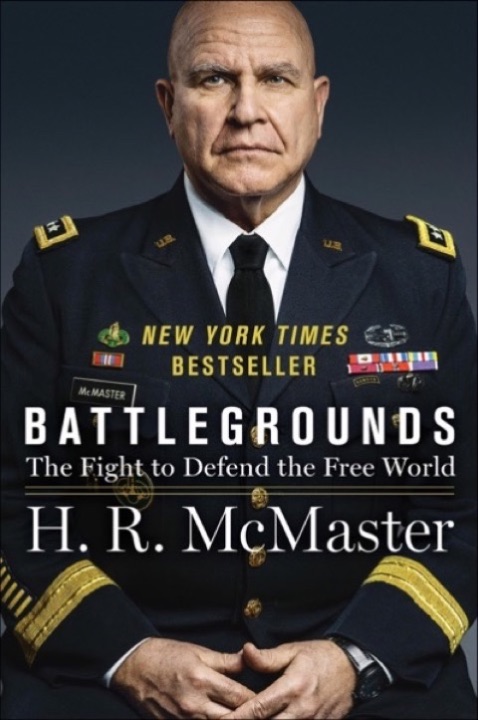
Battlegrounds: The Fight to Defend the Free World
Applying the lessons from "Battlegrounds: The Fight to Defend the Free World" by H.R. McMaster to your life can be a meaningful exercise in aligning your personal values and experiences with broader strategic insights. Here are some ways you might integrate these lessons:
-
Understanding Adversaries: Just as McMaster emphasizes understanding geopolitical adversaries, you can apply this principle to personal and professional relationships. Strive to understand the motivations and perspectives of those around you, even if they differ from your own. This can enhance empathy and improve communication.
-
Comprehensive Strategy: In your personal and professional life, adopt a multifaceted approach to problem-solving. Whether it's addressing challenges at work or in personal relationships, consider integrating various tools and perspectives—emotional, analytical, and experiential—to find effective solutions.
-
Strengthening Alliances: Value and nurture your relationships with family, friends, and colleagues. Just as McMaster underscores the importance of alliances, prioritize building and maintaining strong connections with those who support and challenge you.
-
Adaptability and Resilience: Your life experiences, such as surviving plane crashes, have already demonstrated your resilience. Continue to embrace adaptability in the face of new challenges, learning from each experience to grow stronger and more capable.
-
Long-term Vision: Like McMaster's call for strategic foresight, maintain a long-term perspective in your personal goals and aspirations. Whether it's your dream of skydiving or living to 130, keep your eyes on the horizon while enjoying the journey.
-
Promoting Democratic Values: Your passion for equality and social issues aligns with McMaster's emphasis on democratic values. Continue advocating for causes you believe in, using your voice and actions to promote acceptance and understanding.
-
Strategic Competence: Apply strategic competence to your decision-making processes. Use your analytical skills, past experiences, and the input of others to make informed choices, while remaining open to adapting as circumstances change.
By integrating these lessons into your life, you can enhance your personal growth, strengthen your relationships, and contribute positively to the world around you.
What the book covers
"Battlegrounds: The Fight to Defend the Free World" by H.R. McMaster is a comprehensive examination of global security challenges and the strategic responses required to address them. McMaster, a retired U.S. Army lieutenant general and former National Security Advisor, draws on his extensive experience to provide insights into the geopolitical landscape and the threats facing the free world.
Summary:
-
Introduction to Global Challenges: McMaster begins by outlining the major threats to global security, including the resurgence of great power competition, particularly with China and Russia, as well as challenges posed by rogue states like North Korea and Iran, and transnational threats such as terrorism.
-
China's Strategic Ambitions: A significant portion of the book is dedicated to China's rise as a global power. McMaster discusses China's economic, military, and technological advancements and its strategic objectives, including the Belt and Road Initiative and efforts to dominate key industries. He emphasizes the importance of understanding China's long-term goals and the implications for global stability.
-
Russia's Disruptive Tactics: McMaster analyzes Russia's approach to undermining Western democracies through cyber warfare, disinformation campaigns, and military interventions. He highlights the need for a robust response to counter Russia's efforts to destabilize the international order.
-
Middle East Complexities: The book delves into the complexities of the Middle East, focusing on Iran's influence in the region, the ongoing conflict in Syria, and the broader implications of sectarian violence. McMaster stresses the importance of a coherent strategy to address these interconnected issues.
-
Terrorism and Non-State Actors: McMaster discusses the persistent threat of terrorism, particularly from groups like ISIS and Al-Qaeda. He argues for a comprehensive approach that combines military, diplomatic, and ideological efforts to combat extremism.
-
The Importance of Alliances: Throughout the book, McMaster underscores the value of alliances and partnerships in addressing global challenges. He advocates for strengthening relationships with NATO allies, as well as building new partnerships in Asia and other regions.
-
Strategic Competence: McMaster calls for strategic competence in U.S. foreign policy, emphasizing the need for clear objectives, coherent strategies, and the ability to adapt to changing circumstances. He critiques past policy failures and offers recommendations for improving decision-making processes.
Key Takeaways and Lessons:
-
Understanding Adversaries: A deep understanding of the motivations and strategies of adversaries like China and Russia is crucial for developing effective responses.
-
Comprehensive Strategy: Addressing global threats requires a multifaceted approach that integrates military, economic, diplomatic, and informational tools.
-
Strengthening Alliances: Alliances and partnerships are vital for maintaining global stability and should be prioritized in strategic planning.
-
Adaptability and Resilience: The ability to adapt to new challenges and recover from setbacks is essential for maintaining strategic advantage.
-
Long-term Vision: Policymakers must adopt a long-term perspective, anticipating future challenges and opportunities rather than reacting to immediate crises.
-
Promoting Democratic Values: Defending the free world involves not only countering threats but also promoting democratic values and institutions globally.
In "Battlegrounds," McMaster provides a detailed analysis of the strategic environment and offers a roadmap for defending the free world against a range of complex and evolving threats. His insights emphasize the importance of strategic foresight, alliance-building, and a commitment to democratic principles.