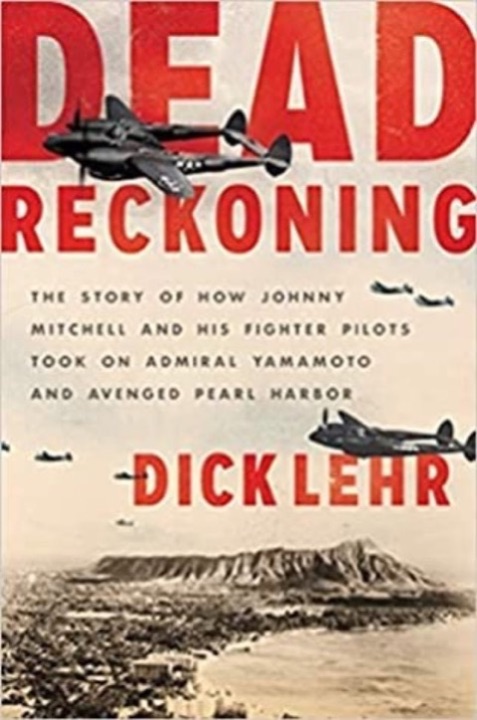
Dead Reckoning
Applying the lessons from "Dead Reckoning" by Dick Lehr to your life can offer valuable insights and reinforce your existing beliefs and values. Here are some ways you might integrate these lessons:
-
The Fog of War: - Embrace the unpredictability of life and accept that not everything will go as planned. Your experiences with near-death situations have already shown you the importance of staying calm under pressure. Continue to apply this mindset in your daily life, especially when faced with unexpected challenges.
-
Survival and Human Resilience: - Reflect on your own resilience and persistence, which you consider your superpower. Recognize that your ability to overcome adversity is a testament to your strength. Use this understanding to inspire others, perhaps by sharing your experiences and encouraging them to persevere through their own challenges.
-
Justice and Accountability: - Continue to advocate for justice and accountability in your personal and professional life. Your involvement in activism and advocacy work aligns with this lesson. Keep fighting for what you believe is right, and support others in their quests for justice, just as the survivors and advocates did for Captain McVay.
-
Legacy and Memory: - Consider how you want to be remembered and the legacy you wish to leave behind. Your desire to be remembered as someone who lived fully and was kind to everyone aligns with this lesson. Continue to live each day with intention and kindness, ensuring that your actions reflect the legacy you wish to create.
-
Moral Complexity: - Embrace the moral complexities of life and continue to approach situations with empathy and understanding. Your belief in kindness and empathy as core values is crucial in navigating ethical dilemmas. Strive to understand different perspectives and make decisions that align with your values, even when faced with difficult choices.
By integrating these lessons into your life, you can continue to grow and evolve while staying true to your beliefs and values. Your experiences and insights already reflect many of the themes explored in "Dead Reckoning," and applying these lessons can further enrich your journey.
What the book covers
"Dead Reckoning" by Dick Lehr is a gripping non-fiction narrative that delves into a historical event with profound implications. The book meticulously reconstructs the story of a World War II naval disaster and its aftermath, focusing on themes of survival, justice, and the moral complexities of war.
Summary:
Setting and Context: The book is set against the backdrop of World War II, a time of intense global conflict and upheaval. It centers on the sinking of the USS Indianapolis, a Portland-class heavy cruiser of the United States Navy, which played a crucial role in delivering parts of the atomic bomb that would later be used on Hiroshima.
The Sinking: In July 1945, shortly after completing its secret mission, the USS Indianapolis was torpedoed by a Japanese submarine in the Philippine Sea. The attack led to one of the most catastrophic naval disasters in U.S. history. Of the 1,195 crewmen aboard, approximately 300 went down with the ship, and the remaining 900 faced harrowing conditions in shark-infested waters.
Survival and Rescue: The survivors endured four days of exposure, dehydration, and shark attacks before being accidentally discovered by a passing aircraft. Only 316 men were ultimately rescued, making it one of the deadliest incidents at sea in U.S. naval history.
Aftermath and Controversy: The book delves into the controversial court-martial of Captain Charles B. McVay III, who was blamed for the disaster. Lehr explores the complexities of the trial, the scapegoating of McVay, and the long-lasting impact on his life and legacy. The narrative also highlights the efforts of survivors and advocates who fought to clear McVay's name, culminating in a posthumous exoneration decades later.
Key Takeaways and Lessons:
-
The Fog of War: - The book illustrates the chaos and unpredictability inherent in wartime operations. It underscores the challenges of decision-making under pressure and the often-unfair assignment of blame when things go wrong.
-
Survival and Human Resilience: - Lehr's account of the survivors' ordeal is a testament to human resilience and the will to live. It highlights the physical and psychological challenges faced by those who endure extreme conditions.
-
Justice and Accountability: - The controversial court-martial of Captain McVay raises important questions about justice and accountability in military contexts. The book encourages readers to consider the complexities of leadership and responsibility in times of crisis.
-
Legacy and Memory: - The efforts to exonerate McVay demonstrate the importance of historical memory and the pursuit of justice, even long after the events have passed. It shows how narratives can be reshaped and how advocacy can lead to redress.
-
Moral Complexity: - "Dead Reckoning" delves into the moral ambiguities of war, challenging readers to think critically about the ethical dimensions of military decisions and the human cost of conflict.
In summary, Dick Lehr's "Dead Reckoning" is a compelling exploration of a tragic naval disaster, offering insights into the human condition, the nature of justice, and the enduring impact of history.