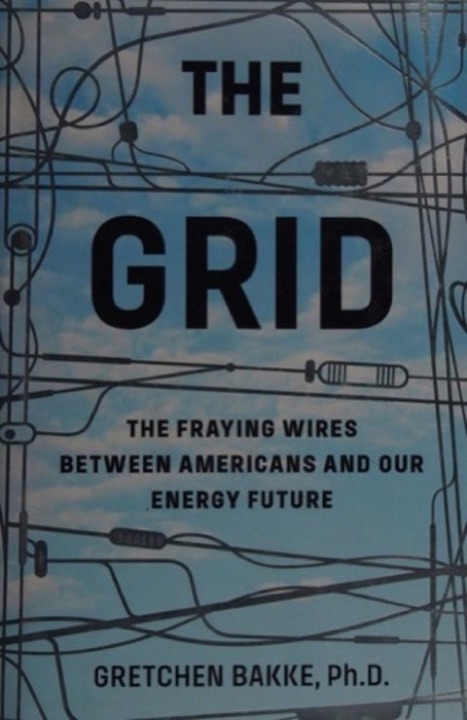
The Grid: The Fraying Wires Between Americans and our Energy Future
Applying the lessons from "The Grid: The Fraying Wires Between Americans and Our Energy Future" by Gretchen Bakke to your life can be both practical and philosophical, aligning with your values and experiences. Here are some ways you might integrate these insights:
-
Embrace Modernization and Adaptability: - Just as the grid needs modernization, consider how you can update and adapt your own routines and practices. This could involve embracing new technologies or methods in your personal and professional life, such as exploring new hobbies like skydiving or integrating more sustainable practices into your daily routine.
-
Foster Resilience and Decentralization: - The book emphasizes the importance of a decentralized and resilient grid. Similarly, you can focus on building resilience in your life by diversifying your interests and skills. This could mean continuing to pursue a wide range of activities, from flying to cooking, to ensure you remain adaptable and self-reliant.
-
Integrate Renewable Practices: - Consider how you can incorporate renewable energy or sustainable practices into your lifestyle. This might involve using solar panels, reducing energy consumption, or supporting renewable energy initiatives, aligning with your forward-thinking approach to technology and societal betterment.
-
Promote Collaboration and Innovation: - The grid's challenges require collaboration across sectors. In your life, continue to foster collaboration and innovation, whether in your professional role as a physician or in your advocacy work. Engage with others to find creative solutions to problems, much like you did when standing up for your friend in the ED.
-
Cultural and Behavioral Change: - Recognize the importance of cultural and behavioral change in energy consumption. Apply this lesson by continuing to advocate for social issues like equality and acceptance, using your influence to promote positive change in your community and beyond.
-
Learn from Failures and Challenges: - The grid's vulnerabilities highlight the need to learn from failures. Reflect on your own experiences, such as the plane crash incidents, and continue to view challenges as opportunities for growth and learning.
-
Live in the Moment: - The book's emphasis on future prospects can remind you of your aspiration to live in the moment. Balance planning for the future with appreciating the present, ensuring you enjoy life's experiences and relationships fully.
By integrating these lessons, you can continue to evolve personally and professionally, aligning with your values of resilience, kindness, and lifelong learning.
What the book covers
"The Grid: The Fraying Wires Between Americans and Our Energy Future" by Gretchen Bakke is an insightful exploration of the United States' electrical grid, its history, current challenges, and future prospects. Bakke, an anthropologist, delves into the complexities of the grid, highlighting its critical role in modern society and the pressing need for transformation in the face of evolving energy demands and technological advancements.
Summary:
-
Historical Context: - Bakke traces the development of the electrical grid from its inception in the late 19th century to its current state. She discusses the early days of electricity, the competition between AC and DC currents, and the eventual establishment of a nationwide grid. - The grid was initially designed for a different era, with centralized power plants and predictable energy consumption patterns.
-
Current Challenges: - Aging Infrastructure: The grid is aging and increasingly prone to failures. Many components are decades old, leading to inefficiencies and vulnerabilities. - Increased Demand: Modern society's reliance on electricity has grown exponentially, with new technologies and devices adding to the load. - Renewable Energy Integration: The rise of renewable energy sources like wind and solar presents challenges for a grid designed for centralized, fossil-fuel-based power generation. These sources are intermittent and require new technologies and strategies for integration. - Regulatory and Economic Issues: The grid is managed by a complex web of private companies and public entities, leading to regulatory challenges and economic inefficiencies.
-
Technological and Social Innovations: - Bakke discusses various technological advancements that could help modernize the grid, such as smart grids, energy storage solutions, and microgrids. - She also highlights the role of social and cultural factors in energy consumption and the adoption of new technologies.
-
Case Studies: - The book includes several case studies that illustrate the grid's vulnerabilities and the innovative solutions being tested across the country. These examples provide a practical look at how different regions are addressing their unique energy challenges.
-
Future Prospects: - Bakke emphasizes the need for a comprehensive overhaul of the grid to accommodate future energy needs and to ensure reliability and sustainability. - She advocates for a more decentralized and resilient grid structure that can better integrate renewable energy sources and adapt to changing consumption patterns.
Key Takeaways and Lessons:
- Urgency of Modernization: The grid is a critical infrastructure that requires urgent modernization to meet current and future energy demands.
- Integration of Renewables: Successfully integrating renewable energy sources is essential for a sustainable energy future, but it requires significant changes to grid management and technology.
- Decentralization and Resilience: Moving towards a more decentralized grid can enhance resilience and reliability, especially in the face of natural disasters and other disruptions.
- Collaboration and Innovation: Addressing the grid's challenges will require collaboration across sectors, including government, industry, and academia, as well as innovative technological solutions.
- Cultural and Behavioral Change: Beyond technological fixes, there is a need for cultural and behavioral changes in how energy is consumed and valued.
Overall, "The Grid" provides a comprehensive look at the complexities of the U.S. electrical grid and offers a compelling argument for why and how it must evolve to meet the demands of the 21st century.