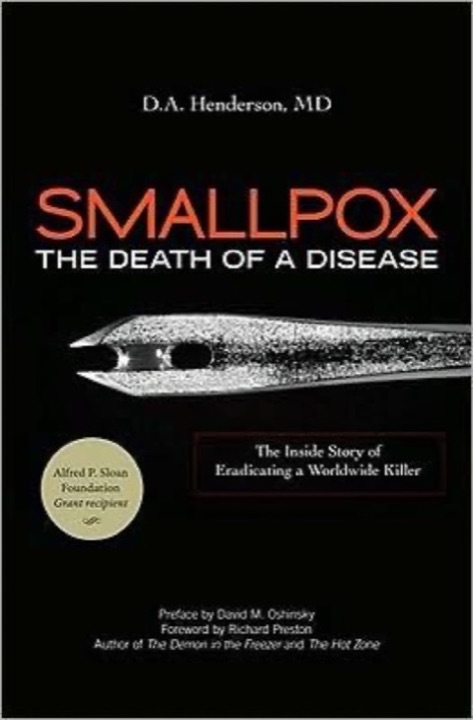
Smallpox: The Death of a Disease
Applying the lessons from "Smallpox: The Death of a Disease" by D.A. Henderson to your life can be both insightful and transformative. Here are some ways you might integrate these lessons:
-
Global Collaboration and Community Building: Just as the eradication of smallpox required global cooperation, you can focus on building strong, supportive communities in your personal and professional life. This could involve fostering connections with diverse groups, engaging in collaborative projects, or participating in community service.
-
Adaptability and Resilience: The campaign's success was due in part to its adaptability. You can apply this by remaining flexible in the face of life's challenges, using your resilience and humor to navigate difficult situations, and being open to changing your strategies when necessary.
-
Surveillance and Awareness: Effective surveillance was crucial in identifying and containing outbreaks. In your life, this could translate to maintaining awareness of your surroundings and being proactive in addressing potential issues, whether in your personal relationships or professional endeavors.
-
Leadership and Vision: Strong leadership and a clear vision were essential to the campaign's success. You can apply this by setting clear goals for yourself, leading by example, and inspiring others with your optimism and dedication to kindness and empathy.
-
Investment in Infrastructure and Systems: The campaign highlighted the importance of robust infrastructure. In your life, this could mean investing time and resources into building a strong foundation for your personal and professional growth, such as continuous learning and self-improvement.
-
Public Health Education and Advocacy: Educating communities was key to overcoming resistance. You can apply this by sharing your knowledge and experiences with others, advocating for causes you believe in, and using your communication skills to foster understanding and acceptance.
-
Legacy and Impact: Reflect on the legacy you want to leave behind, much like the eradication of smallpox left a lasting impact on global health. Consider how your actions today can contribute to a better future for your family, community, and society as a whole.
By integrating these lessons into your life, you can continue to make meaningful contributions to the world around you, leveraging your strengths and values to create positive change.
What the book covers
"Smallpox: The Death of a Disease" by D.A. Henderson is a comprehensive account of the global effort to eradicate smallpox, one of the deadliest diseases known to humanity. D.A. Henderson, who led the World Health Organization's (WHO) Smallpox Eradication Program, provides an insider's perspective on the challenges, strategies, and triumphs of this monumental public health achievement.
Summary:
Background and Context:
- Historical Impact of Smallpox: The book begins by detailing the devastating impact of smallpox throughout history, highlighting its high mortality rate and the disfigurement it caused among survivors.
- Early Control Efforts: Henderson discusses early attempts to control smallpox through variolation and later vaccination, setting the stage for the global eradication campaign.
The Eradication Campaign:
- WHO's Role: The World Health Organization's decision in the 1960s to eradicate smallpox is explored, emphasizing the political and logistical challenges faced.
- Leadership and Strategy: Henderson outlines the strategic planning and leadership required to coordinate the global effort, including the importance of surveillance, containment, and vaccination.
- Innovative Approaches: The book highlights innovative approaches such as the "ring vaccination" strategy, which involved vaccinating those around an identified case to prevent further spread.
- Field Challenges: Henderson shares personal anecdotes and stories from the field, illustrating the difficulties faced by health workers, including logistical issues, cultural resistance, and political obstacles.
Key Success Factors:
- International Cooperation: The campaign's success relied heavily on unprecedented international cooperation, with countries around the world contributing resources and expertise.
- Adaptability and Problem-Solving: The ability to adapt strategies to local conditions and solve problems creatively was crucial to overcoming obstacles.
- Commitment and Dedication: The dedication of health workers and volunteers, often working in challenging and dangerous conditions, was vital to the campaign's success.
The End of Smallpox:
- Certification of Eradication: The book concludes with the certification of smallpox eradication in 1980, marking a historic victory for global health.
- Legacy and Impact: Henderson reflects on the legacy of the eradication campaign, including its impact on public health infrastructure and the lessons learned for future disease control efforts.
Key Takeaways and Lessons:
-
Global Collaboration is Essential: The eradication of smallpox demonstrated the power of global collaboration and the importance of international organizations like WHO in coordinating large-scale health initiatives.
-
Adaptability is Key: Successful public health campaigns must be adaptable to local contexts and capable of evolving strategies in response to new challenges.
-
Importance of Surveillance: Effective disease surveillance and rapid response are critical components of any eradication effort, allowing for timely identification and containment of outbreaks.
-
Leadership and Vision: Strong leadership and a clear vision are necessary to drive complex initiatives and maintain momentum in the face of setbacks.
-
Investment in Health Infrastructure: The campaign highlighted the need for robust health infrastructure and systems capable of supporting large-scale vaccination and disease control efforts.
-
Public Health Education: Educating communities and gaining their trust is crucial for the success of health interventions, particularly in areas with cultural resistance to vaccination.
-
Legacy of Eradication: The eradication of smallpox set a precedent for future disease eradication efforts, providing a model for tackling other infectious diseases.
Overall, "Smallpox: The Death of a Disease" serves as both a historical account and a guide for future public health initiatives, emphasizing the importance of collaboration, innovation, and perseverance in the fight against infectious diseases.