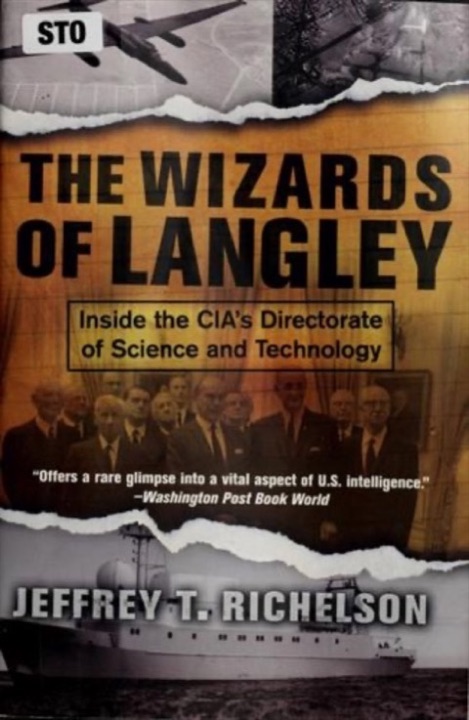
The Wizards of Langley
Applying the lessons from "The Wizards of Langley" by Jeffrey T. Richelson to your life can be quite enriching, given your experiences, values, and aspirations. Here are some ways you might integrate these lessons:
-
Innovation and Adaptation: - Embrace your natural curiosity and willingness to learn by continuously seeking new experiences and knowledge. This aligns with your desire to live in the moment and be a lifelong learner. Consider trying new activities, like skydiving, to push your boundaries and adapt to new challenges.
-
Interdisciplinary Collaboration: - Leverage your diverse interests and skills by collaborating with others from different backgrounds. Whether it's in your professional life or personal projects, bringing together varied perspectives can lead to innovative solutions and personal growth.
-
Balancing Secrecy and Transparency: - Reflect on your communication style and how you balance openness with discretion. In your interactions, especially when discussing sensitive topics, strive to maintain transparency while respecting privacy and confidentiality.
-
Learning from History: - Use your past experiences, including your near-death situations and personal achievements, as a foundation for future decisions. Reflect on these moments to gain insights and apply them to current challenges, much like the DS&T learned from its Cold War experiences.
-
Investment in Technology: - Stay informed about technological advancements and consider how they can enhance your life and work. Your forward-thinking attitude towards technology can help you leverage new tools and innovations for personal and societal betterment.
-
Resilience and Persistence: - Your superpower of persistence aligns with the DS&T's ability to overcome challenges. Continue to apply this resilience in your personal and professional life, using setbacks as opportunities for growth and improvement.
By integrating these lessons into your life, you can continue to foster a culture of innovation, collaboration, and strategic foresight, much like the CIA's Directorate of Science and Technology.
What the book covers
"The Wizards of Langley: Inside the CIA's Directorate of Science and Technology" by Jeffrey T. Richelson is a comprehensive exploration of the Central Intelligence Agency's (CIA) Directorate of Science and Technology (DS&T). This book delves into the history, operations, and impact of the DS&T, highlighting its role in advancing the technological capabilities of the CIA.
Summary:
-
Origins and Development: - The book begins by tracing the origins of the DS&T, established in 1963 to consolidate the CIA's scientific and technical efforts. It highlights the vision of its first director, Albert "Bud" Wheelon, who aimed to harness cutting-edge technology for intelligence purposes.
-
Key Projects and Innovations: - Richelson details several pivotal projects undertaken by the DS&T, such as the development of the U-2 and A-12 reconnaissance aircraft, which revolutionized aerial surveillance. The book also covers the creation of the Corona satellite program, the first successful space-based reconnaissance system.
-
Technological Challenges and Achievements: - The narrative explores the challenges faced by the DS&T, including technical hurdles, budget constraints, and inter-agency rivalries. Despite these obstacles, the DS&T achieved significant breakthroughs in signals intelligence, imagery intelligence, and other areas.
-
Cold War Context: - The book places the DS&T's work within the broader context of the Cold War, emphasizing how technological advancements were crucial in the intelligence race between the United States and the Soviet Union. It discusses the impact of DS&T innovations on U.S. national security and foreign policy.
-
Human Element: - Richelson highlights the contributions of key individuals within the DS&T, showcasing their creativity, dedication, and problem-solving skills. The book provides insights into the culture and ethos of the directorate, emphasizing the importance of collaboration and innovation.
-
Modern Era and Future Challenges: - The book concludes by examining the DS&T's evolution in the post-Cold War era, addressing new challenges such as cyber threats and the need for rapid technological adaptation. It discusses the ongoing importance of the DS&T in maintaining the CIA's technological edge.
Key Takeaways and Lessons:
- Innovation and Adaptation:
-
The DS&T's success underscores the importance of fostering a culture of innovation and adaptability within intelligence organizations. Embracing new technologies and approaches is crucial for staying ahead in the intelligence field.
-
Interdisciplinary Collaboration:
-
The book highlights the value of interdisciplinary collaboration, bringing together experts from various fields to tackle complex challenges. This approach can lead to groundbreaking solutions and advancements.
-
Balancing Secrecy and Transparency:
-
Richelson discusses the tension between the need for secrecy in intelligence operations and the benefits of transparency and accountability. Striking the right balance is essential for maintaining public trust and operational effectiveness.
-
Learning from History:
-
Understanding the historical context of intelligence operations can provide valuable lessons for current and future challenges. The DS&T's experiences during the Cold War offer insights into managing technological and geopolitical shifts.
-
Investment in Technology:
- Continuous investment in research and development is vital for maintaining a competitive edge in intelligence. The DS&T's achievements demonstrate the long-term benefits of prioritizing technological advancement.
Overall, "The Wizards of Langley" provides a detailed and insightful look into the CIA's technological arm, offering lessons on innovation, collaboration, and strategic foresight in the realm of intelligence.