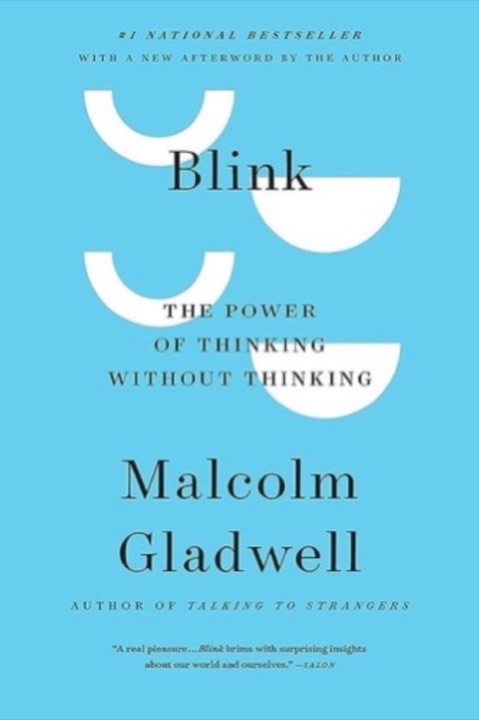
Blink
Applying the lessons from Malcolm Gladwell's "Blink" to your life can enhance your decision-making process and help you navigate various situations more effectively. Here are some ways you might integrate these insights:
-
Trust Your Instincts, But Verify: - Given your experience with quick decision-making in high-stress situations, like the plane crash, you likely have a strong sense of intuition. Continue to trust your instincts, especially in emergencies, but also take a moment to verify them when possible to ensure they're not influenced by biases.
-
Leverage Your Expertise: - Your background in medicine and aviation suggests a high level of expertise. Use this knowledge to inform your snap judgments, as your experience can lead to more accurate and effective decisions.
-
Be Aware of Biases: - Reflect on any unconscious biases that might affect your judgments, particularly in areas like social issues or politics. Being aware of these biases can help you make more objective decisions and maintain your commitment to kindness and empathy.
-
Balance Intuition and Analysis: - While you often make decisions quickly, consider when it's beneficial to pause and analyze the situation more thoroughly. This balance can be particularly useful in complex scenarios where multiple perspectives are involved.
-
Practice and Reflection: - Continue to reflect on your decisions and experiences, as you already do by evaluating your daily wins and losses. This practice can help refine your ability to make quick, accurate judgments and learn from past experiences.
-
Embrace Lifelong Learning: - Your commitment to being a lifelong learner aligns well with the idea of improving decision-making through practice and reflection. Keep seeking new knowledge and experiences to enhance your ability to thin-slice effectively.
-
Recognize the Role of Emotions: - Acknowledge how emotions might influence your snap judgments, especially in personal or high-stakes situations. Strive to maintain your calm demeanor, as you do in emergencies, to ensure clear and rational decision-making.
-
Cultivate Mindfulness: - Since you aspire to live in the moment, practicing mindfulness can help you become more aware of your immediate reactions and judgments, allowing you to respond more thoughtfully.
By integrating these lessons from "Blink" into your life, you can harness the power of your unconscious mind while remaining vigilant about its limitations, ultimately leading to more effective and fulfilling decision-making.
What the book covers
"Blink: The Power of Thinking Without Thinking" by Malcolm Gladwell explores the concept of "thin-slicing," which refers to the ability of our unconscious mind to make quick, accurate judgments based on limited information. Gladwell delves into the science and psychology behind these snap decisions, illustrating how they can be both incredibly insightful and dangerously flawed.
Summary:
-
Introduction to Thin-Slicing: - Gladwell introduces the concept of thin-slicing, explaining how our brains can make quick decisions based on minimal information. He uses various anecdotes and studies to demonstrate how these rapid judgments can be surprisingly accurate.
-
The Power of the Unconscious: - The book discusses how much of our decision-making occurs unconsciously. Gladwell argues that our unconscious mind is capable of processing vast amounts of information quickly, often leading to better decisions than those made through deliberate analysis.
-
The Role of Expertise: - Expertise plays a crucial role in the accuracy of thin-slicing. Experts in a field can make quick, accurate judgments because they have a wealth of experience and knowledge that informs their unconscious decision-making.
-
The Dark Side of Snap Judgments: - While thin-slicing can be powerful, it can also be flawed. Gladwell explores how biases and stereotypes can influence our snap judgments, leading to errors and misjudgments. He highlights the importance of being aware of these biases to mitigate their impact.
-
Case Studies and Examples: - Throughout the book, Gladwell provides numerous case studies and examples, such as the Getty kouros, a statue whose authenticity was questioned through thin-slicing, and the Warren Harding error, where superficial traits led to poor decision-making.
-
Improving Decision-Making: - Gladwell suggests that by understanding and refining our ability to thin-slice, we can improve our decision-making. This involves recognizing when to trust our instincts and when to rely on more deliberate analysis.
Key Takeaways and Lessons:
- Trust Your Instincts, But Verify:
-
While our instincts can be powerful, it's important to verify them, especially in situations where biases might come into play.
-
The Importance of Expertise:
-
Developing expertise in a field can enhance the accuracy of your snap judgments. Experience and knowledge allow for more informed unconscious decision-making.
-
Awareness of Biases:
-
Being aware of personal biases and stereotypes is crucial in ensuring that they do not negatively impact your judgments.
-
Balance Intuition and Analysis:
-
Effective decision-making often requires a balance between intuition and deliberate analysis. Knowing when to rely on each is key.
-
Practice and Reflection:
- Regular practice and reflection can help refine your ability to make quick, accurate judgments. Learning from past decisions can improve future thin-slicing.
In "Blink," Gladwell encourages readers to appreciate the power of their unconscious mind while also recognizing its limitations. By understanding the mechanisms behind snap judgments, individuals can harness their potential while avoiding common pitfalls.