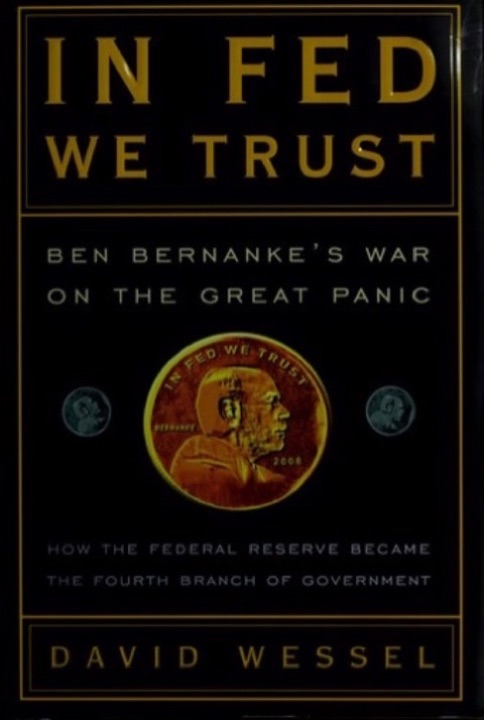
In Fed We Trust: Ben Bernanke's War on the Great Panic
Applying the lessons from "In Fed We Trust: Ben Bernanke’s War on the Great Panic" to your life involves drawing parallels between the Federal Reserve's crisis management strategies and your personal experiences and values. Here are some ways you might integrate these lessons:
-
Decisive Action in Crisis: - Just as Bernanke took decisive action during the financial crisis, you can apply this by being proactive and decisive in your personal and professional life, especially during challenging situations. Your experience in emergency situations, such as plane crashes, already demonstrates your ability to remain calm and act decisively.
-
Flexibility and Innovation: - The Fed's use of unconventional tools during the crisis highlights the importance of flexibility and innovation. You can apply this by being open to new approaches and solutions in your personal growth and professional endeavors, such as exploring new hobbies or adapting to changes in your career.
-
Collaboration and Communication: - The book emphasizes the importance of collaboration and effective communication. You can apply this by fostering open communication and collaboration in your relationships, whether with family, friends, or colleagues. Your direct and humorous communication style can be a strength in building strong connections.
-
Balancing Risks and Rewards: - The Fed had to balance the risks of their actions with potential rewards. Similarly, you can apply this by carefully weighing the risks and benefits of your decisions, whether in your career, personal life, or when considering new experiences like skydiving.
-
Learning from Failures: - The financial crisis exposed weaknesses in the system, leading to reforms. You can apply this lesson by viewing failures as opportunities for growth and learning, as you already do by reflecting on your experiences and striving to improve.
-
Maintaining Optimism: - Bernanke's belief in preventing deflation and maintaining liquidity reflects a commitment to optimism and resilience. You can apply this by maintaining your eternal optimism and resilience, even in the face of setbacks or societal challenges.
-
Ethical Considerations: - The book discusses the ethical implications of the Fed's actions. You can apply this by continuing to let your ethical beliefs guide your actions, ensuring that kindness and empathy remain central to your decisions.
By integrating these lessons, you can enhance your ability to navigate life's challenges, make informed decisions, and continue to grow personally and professionally.
What the book covers
"In Fed We Trust: Ben Bernanke’s War on the Great Panic" by David Wessel is a detailed account of the Federal Reserve's response to the financial crisis of 2007-2008, focusing on the role of then-Fed Chairman Ben Bernanke. The book provides an insider's view of the decisions and actions taken by the Federal Reserve to prevent the collapse of the global financial system.
Summary:
-
Background and Context: - The book begins by setting the stage for the financial crisis, explaining the economic conditions and regulatory environment that led to the housing bubble and subsequent collapse. - It highlights the complexity of financial instruments like mortgage-backed securities and the role of major financial institutions in exacerbating the crisis.
-
Ben Bernanke’s Leadership: - Wessel portrays Bernanke as a scholar of the Great Depression, whose academic background influenced his approach to the crisis. - Bernanke's belief in the importance of preventing deflation and maintaining liquidity in the financial system is emphasized.
-
Crisis Management: - The narrative details key moments in the crisis, such as the collapse of Lehman Brothers, the bailout of AIG, and the controversial decision to let Lehman fail. - The book describes the Fed's use of unconventional tools, including lowering interest rates to near zero and implementing quantitative easing.
-
Collaboration and Conflict: - Wessel explores the dynamics between the Federal Reserve, the Treasury Department, and other government entities, highlighting both cooperation and tension. - The book discusses the role of key figures like Treasury Secretary Hank Paulson and New York Fed President Timothy Geithner.
-
Public Perception and Criticism: - The book addresses the public's reaction to the Fed's actions, including criticism of bailouts and the perception of favoritism towards Wall Street. - It also covers the political challenges and scrutiny faced by the Fed during and after the crisis.
-
Aftermath and Lessons Learned: - Wessel reflects on the long-term impact of the Fed's actions on the economy and financial regulation. - The book discusses the reforms implemented to prevent future crises, such as the Dodd-Frank Act.
Key Takeaways and Lessons:
-
Importance of Central Bank Intervention: The book underscores the critical role of central banks in stabilizing financial systems during crises. Bernanke's decisive actions are credited with preventing a deeper economic collapse.
-
Communication and Transparency: Effective communication and transparency are vital for maintaining public trust and managing expectations during a crisis.
-
Flexibility and Innovation: The crisis highlighted the need for central banks to be flexible and innovative in their approach, using unconventional tools when traditional methods are insufficient.
-
Interconnectedness of Global Finance: The global nature of the financial system means that crises can quickly spread across borders, necessitating coordinated international responses.
-
Regulatory Reform: The crisis exposed significant weaknesses in financial regulation, leading to calls for stronger oversight and reforms to prevent excessive risk-taking.
-
Balancing Act: Policymakers must balance the need to stabilize the financial system with concerns about moral hazard and the long-term implications of their actions.
Overall, "In Fed We Trust" provides a comprehensive look at the challenges faced by the Federal Reserve during one of the most tumultuous periods in modern economic history, offering valuable insights into crisis management and the complexities of monetary policy.